Rising Egg Prices Deepen Cost-of-Living Crisis in Southern Shan
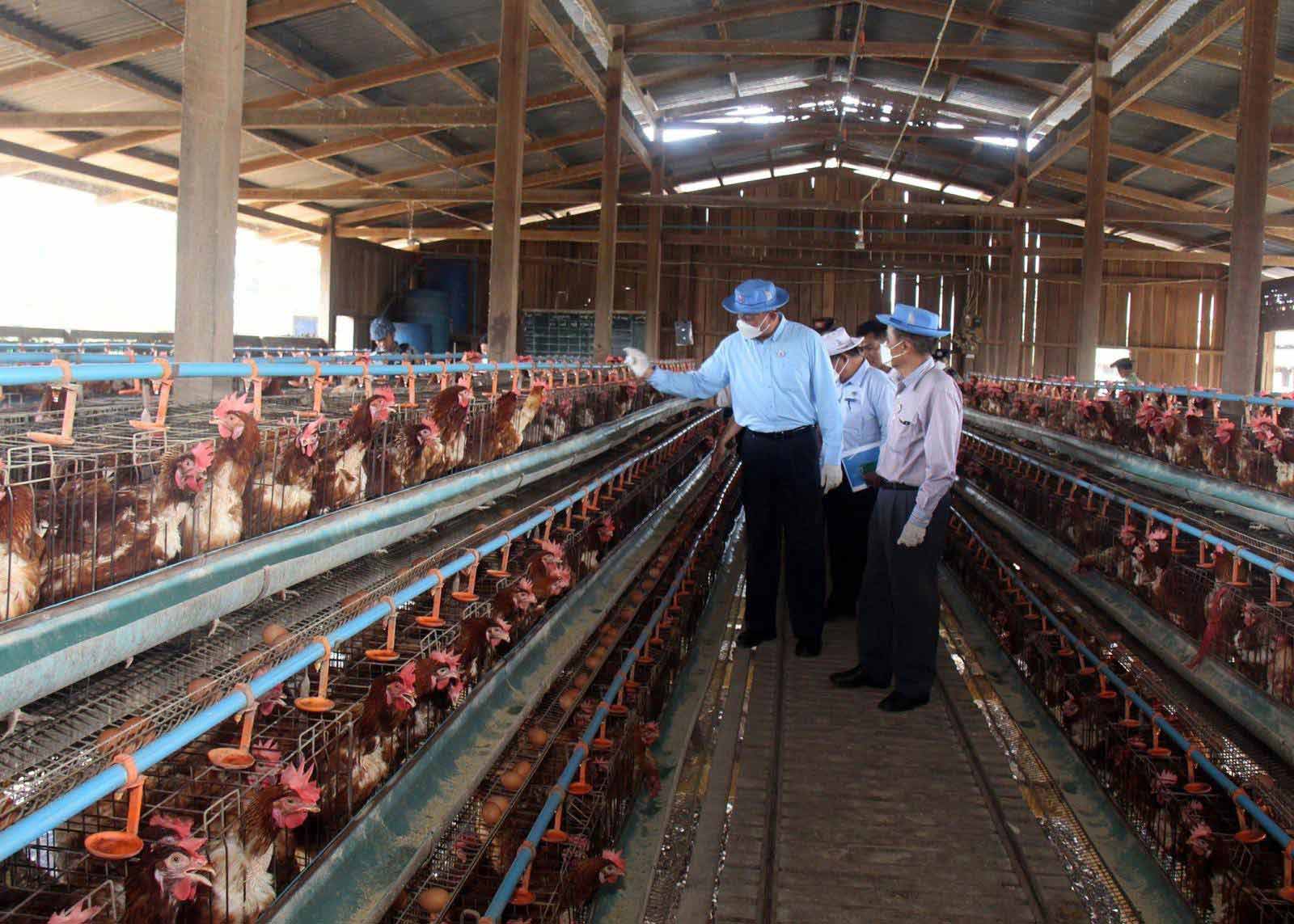
The price of eggs has surged to as high as 800 Kyats each in southern Shan State, pushing many households deeper into hardship as post-coup trade restrictions disrupt supplies of one of the country’s most affordable sources of protein. Since the beginning of the year, Myanmar’s military junta has blocked key trade routes and banned imports from Thailand and China, restricting the flow of essential agricultural and livestock supplies. According to Nang Kham, a poultry farmer in Taunggyi, the restrictions have caused severe shortages of poultry feed and vaccines, driving up production costs and, ultimately, retail prices. “After they banned imports, chicken vaccines became expensive and scarce. If chickens can’t be vaccinated, they die,”Nang Kham told SHAN. “When the prices of feed and raw materials go up, the price of eggs goes up as well.” Agricultural supplies are no longer arriving reliably, raising concerns about worsening shortages. Before the restrictions, farm-gate prices averaged around 300 Kyats per egg. Wholesale prices have now risen to between 450 and 470 Kyats per egg. Consumers are facing even steeper increases. Retail prices at grocery stores and markets, which previously averaged about 500 Kyats per egg, have climbed to between 700 and 800 Kyats, with a pack of 10 eggs now costing around 6,000 Kyats. Nang Aye, a Taunggyi resident, said the rising cost of basic food staples is placing an increasing burden on ordinary families. “Egg prices keep rising. For many reasons, the cost of living is increasing, and people’s expenses are much higher than before,” she said. “When a basic food item like an egg costs 700 or 800 Kyats, how are working-class families supposed to survive? ” Residents say the prices of essential commodities have steadily increased since the military seized power in 2021, placing growing strain on household budgets. Poultry farmers warn that if the junta’s import restrictions remain in place, worsening shortages of feed and other essential inputs could force many local farms to cease operations.
This article requires PRO
This article is outside the free access window or is a special report. PRO unlocks it and the full archive.
Related articles
- Mass layoffs hit Yangon garment sector as foreign brands pull out and economic crisis deepens
Over 1,000 employees at the Sunrise (Myanmar) Fashion Co. Ltd garment factory in Yangon’s Shwepyitha Township Thardukan Industrial Zone 4 are among the estimated 60,000 garment factory workers to be laid off this month.
- Contributing to productivity of the State through agriculture sector
AS the majority of people living in rural areas depend on agriculture and livestock farming for their livelihoods, the government is implementing poverty reduction and the improve- ment of farmers’ livelihoods as one of
- Customs Dept to auction seized electrical appliances in Taunggyi
THE Taunggyi Township Customs Department will auction electrical appli- ances seized as public property through a com- petitive bidding system. Myanmar citizens are invited to participate in the auction, which will be he
- What has disappeared from a bowl of Mohinga?
Article by – Dr. Moe Thit Nay (Ayeyarwaddy Times, October 4) In 1996, Daw Aung San Suu Kyi wrote in her essay “Breakfast Blues” that Mohinga, once abundant with fried items, fish, eggs, and coriander, was gradually losing its ingredients and nutritional value due to rising prices. Now, 30 years later, in a time when military leaders are doing as they please with the country, we are again faced with the need to ask the same question. What has disappeared from a bowl of Mohinga? Mohinga is a representative dish of Myanmar. It is a food deeply ingrained in the daily lives of Myanmar people, evoking morning memories, the Mohinga stall on the street corner, hot fried items, and fragrant fish broth. However, if you look closely at a bowl of Mohinga, you can see the nutritional status, household income, commodity prices, food availability, and the country's economic situation reflected in that bowl. The question “What has disappeared from a bowl of Mohinga?