Thai Shrimp Ban: Malaysia and Thailand Disagree on Lifting Timeline
Thailand's Agriculture and Cooperatives Minister expressed confidence that Malaysia will lift its ban on Thai shrimp exports within a month, but Malaysian authorities indicate otherwise, revealing a divergence in expectations. While both nations agreed to expedite sanitary and phytosanitary compliance checks, Malaysia's Fisheries Department stated that further time is needed to evaluate the submitted information.
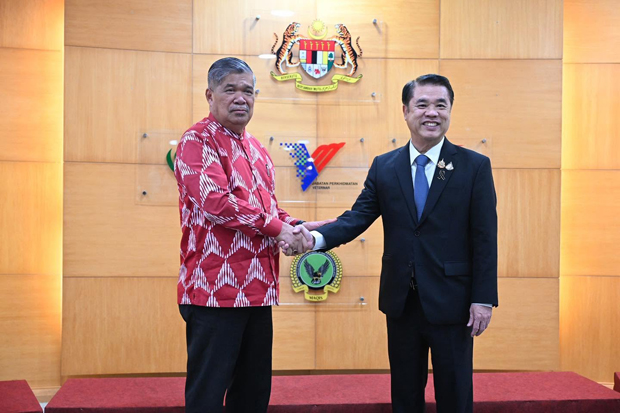
PUBLISHED : 6 Jul 2026 at 12:38 WRITER: Online Reporters Agriculture and Cooperatives Minister Suriya Jungrungreangkit has expressed confidence Malaysia will lift its ban on Thai shrimp within the next month, but Malaysia is indicating otherwise. "Good news for shrimp exporters. Suriya said Thai shrimps will be exported to Malaysia as usual within 30 days," the headline declared above a statement posted on his Facebook account on Wednesday. The Thai minister made the bold statement after talks with Malaysian Agriculture and Food Security Minister Mohamad Sabu in Malaysia. Mr Suriya said the two countries agreed to expedite the inspection process for sanitary and phytosanitary compliance, including chemical residue and hygiene checks, needed to restore trade activities. If the process proceeds as planned, inspections should be completed within 30 days, he said. "My meeting [with the Malaysian minister] points towards the direction that Thailand will again export shrimps to Malaysia, as it used to do," Mr Suriya said Malaysia’s temporary ban on Thai shrimp, effective since June 1, was attributed to new measures to strengthen standards for agricultural imports and exports. The move was also seen as retaliation to Thailand's ban on imports of Malaysian seabass over health concerns and the wellbeing of Thai consumers. - Malaysia 'needs more time' - Adnan Hussain, the Malaysian Fisheries Department director-general, on Saturday disputed the 30-day timing anticipated by the Thai minister. He said Malaysian authorities needed more time to verify the information about the inspection process presented by Thailand to convince Malaysia to reopen the shrimp market to Thai producers. "The information is currently being assessed by the technical team. If the information provided is complete, we will require at least 30 days to evaluate every document and piece of information submitted," Bernama news service on Saturday quoted him as saying. The aquaculture trade dispute is expected to be high on the agenda when Prime Minister Anutin Charnvirakul meets his Malaysian counterpart Anwar Ibrahim during his visit to Malaysia on Thursday and Friday.
多角的分析
タイ産エビの対マレーシア輸出再開の見通しは、両国の衛生基準に関する検査プロセスの進捗に大きく左右される。タイ側は早期解除に自信を示しているが、マレーシア側は情報評価に時間を要するとし、その評価プロセスが輸出再開の時期を決定する鍵となる。もしマレーシア側がタイの提出した情報に懸念を示し、追加の検査や情報提供を求めた場合、輸出再開が遅延し、タイのエビ産業、特に輸出業者に経済的損失をもたらす可能性がある。過去の同様の貿易紛争では、検査基準の解釈や情報開示の透明性が問題となるケースが多く、今回の紛争も同様の展開をたどるリスクがある。
タイ産エビ輸出業者にとって、マレーシアの禁輸措置解除時期の不確実性は、投資判断に影響を与える。タイ側大臣の楽観的な見通しは市場に一時的な安心感を与える可能性があるが、マレーシア当局の慎重な姿勢は、禁輸措置の長期化リスクを示唆している。投資家は、両国間の交渉の進展、特に技術的な検査プロセスの完了時期と、その結果次第で、タイのエビ関連企業の収益見通しを再評価する必要がある。過去の事例では、このような貿易摩擦は、対象企業の株価に短期的な変動をもたらす傾向がある。
タイのエビ輸出業者は、マレーシア市場へのアクセス再開を強く望んでおり、その期待はタイ大臣の発言によって一時的に高まった。しかし、マレーシア側の慎重な対応は、タイの漁業従事者や関連企業に不安を与えている。禁輸措置が長期化すれば、彼らの生計や事業継続に直接的な影響が及ぶ。また、この問題は、タイがマレーシア産シーバスの輸入を禁止したことへの報復措置とも見られており、両国間の消費者間の食品安全への懸念や、相互の貿易慣行に対する不信感にも繋がる可能性がある。
タイの一般市民、特にエビの生産者や輸出に関わる人々にとって、マレーシア市場へのアクセスは重要な生計手段である。タイ大臣の「30日以内の解除」という発言は、一時的な希望をもたらしたかもしれないが、マレーシア側の「時間が必要」という回答は、この希望に影を落としている。もし禁輸措置が長期化すれば、エビ価格の変動や、関連産業の雇用への影響が懸念される。また、食品安全基準を巡る両国の主張の相違は、タイ国民の食品に対する安全意識にも影響を与える可能性がある。
背景・歴史的文脈
タイとマレーシア間の水産物貿易を巡る緊張は、過去にも散見される。特に、食品安全基準や衛生管理に関する両国の見解の相違は、貿易障壁となりやすい。2023年6月1日にマレーシアがタイ産エビの輸入を一時禁止したのは、新たな輸入基準強化の一環とされているが、タイが同年4月に健康上の懸念からマレーシア産シーバスの輸入を禁止したことへの報復措置という見方も強い。このシーバス禁輸措置は、タイ国内の消費者の安全を保護するためと説明されたが、マレーシア側はこれを不当な貿易制限と捉えた可能性がある。今回のエビ禁輸問題は、こうした過去の貿易摩擦の文脈の中に位置づけられる。
原文ソース
Bangkok Post