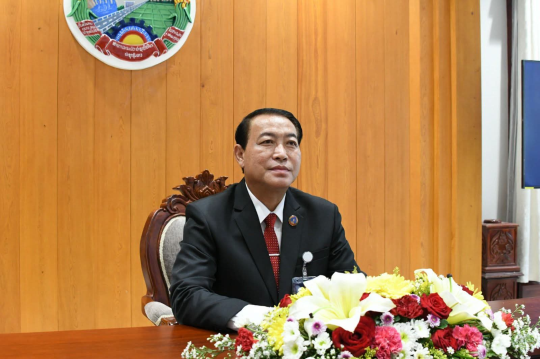
National Assembly Approves Key Economic and Development Laws
The Lao National Assembly, during a five-day extraordinary session, approved key economic and development measures including the implementation of the national socio-economic development plan, the Law on the State Treasury, and an amended Law on the State Budget. A significant decision was the elevation of rural development and poverty eradication to a National Agenda, aiming to improve citizens' livelihoods.
The Lao National Assembly concluded its five-day extraordinary session on Friday, approving key economic, legal, and development measures aimed at strengthening growth, improving public services, and accelerating rural development and poverty reduction. The session, chaired by National Assembly President Saysomphone Phomvihane, was attended by senior Party and State leaders, government members, ambassadors, and representatives of international organizations. A significant outcome was the approval of the government's proposal to elevate rural development and poverty eradication to a National Agenda. This initiative aims to lift over 100,000 households out of poverty, reduce the national poverty rate from 14.78 percent to a single-digit level, eliminate poverty in more than 1,000 villages, and remove over 20 districts from the country's poverty list. Additionally, the newly drafted Law on the State Treasury and the amended Law on the State Budget were adopted. During the session, Prime Minister Sonexay Siphandone and nine Cabinet ministers addressed questions from lawmakers concerning their respective portfolios and matters of public concern. Public feedback was received through the National Assembly's 156 hotline, with 153 calls covering 208 issues. Key concerns raised by the public included electricity prices, deteriorating road conditions, illegal mining activities, rising consumer prices, and drug-related problems. Lawmakers overwhelmingly endorsed all four resolutions, with approval rates ranging from 99.38% to 100%. Specifically, the government's report on socio-economic development, the state budget, and the monetary plan received 99.39% approval; the National Agenda on Rural Development and Poverty Eradication was approved by 99.39%; the Law on the State Treasury by 99.38%; and the amended Law on the State Budget by 100%. In parallel developments, the Lao PDR officially became a Dialogue Partner of the Shanghai Cooperation Organization (SCO) following the signing of a memorandum of understanding. The government also honored the outgoing Malaysian Ambassador for his contributions to bilateral relations and reaffirmed Australia's commitment to supporting Laos' economic development priorities. The approval of these measures signifies the Lao government's intent to bolster economic growth, enhance public services, and expedite rural development. However, addressing public concerns such as rising prices and infrastructure issues will be crucial for the effective implementation of these policies. In Laos' one-party system, the National Assembly's approval is a critical step in government policy-making, with its success largely dependent on concrete responses to economic challenges and their impact on citizens' lives.
多角的分析
ラオス経済は、インフレ、通貨安、対外債務といった複合的な課題に直面している。今回の国民議会による国家財政法および国家予算法改正案の承認は、財政規律の強化と国家予算の透明性向上を目指すものと見られる。しかし、貧困撲滅を国家アジェンダに掲げたものの、その実効性は、インフレ抑制策や外貨準備の確保といったマクロ経済の安定化策と連動して評価されるべきである。特に、中国やベトナムからの経済的依存度が高いラオスにおいて、これらの近隣大国との関係性や、それらがもたらす経済的影響は、国内経済政策の成否を左右する重要な要因となる。
ラオスへの投資環境は、依然としてインフラ開発や資源開発が中心である一方、近年の経済的混乱から慎重な姿勢が続いている。今回の国民議会による法整備は、国家財政の透明性向上や貧困削減への取り組みを示すことで、投資家心理の改善に寄与する可能性がある。しかし、法制度の厳格な運用、汚職対策、そして何よりもマクロ経済の安定化が投資家の信頼を得るための不可欠な要素となる。特に、中国からの投資がラオスの経済に占める割合が大きいことを考慮すると、中国の Belt and Road Initiative (BRI) との連携や、その影響を注視する必要がある。
農村開発と貧困撲滅が国家アジェンダに格上げされたことは、ラオス国内の多くの人々、特に地方住民の生活改善への期待を高めるだろう。しかし、国民からの声として挙がった電気料金の高騰や道路の悪化といった問題は、貧困層だけでなく、都市部住民の生活にも直接的な影響を与えている。これらの問題への具体的な対応策が講じられなければ、アジェンダの目標達成は困難となる。また、違法採掘や薬物問題といった社会課題は、一党体制下での法執行能力や、地域社会との連携の重要性を示唆している。
国民からの電気料金、道路状況、物価上昇といった懸念は、ラオス国民の日常生活に直結する喫緊の課題である。貧困撲滅を国家アジェンダに掲げたことは希望の兆しだが、その恩恵が実際に国民に行き渡るためには、経済の安定化とインフラ整備が不可欠である。特に、地方の貧困地域に住む人々にとっては、これらの課題が解決されない限り、生活の質の向上は実感しにくいだろう。国民議会へのホットライン設置は、市民の声を行政に届ける一つの手段だが、その声が政策にどれだけ反映されるかが問われている。
背景・歴史的文脈
ラオスは、1975年のラオス人民革命党による政権掌握以来、社会主義一党体制を維持している。経済開発においては、1986年の「新経済メカニズム」導入以降、市場経済原理を部分的に導入し、外国からの投資を促進してきた。特に、中国やベトナムといった社会主義国との関係が深く、経済的にもこれらの国々への依存度が高い。近年、インフレの進行、キープ安、そして対外債務の増大といった経済的課題に直面しており、国民議会は政府の経済政策を監督し、法整備を通じて経済の安定化を図る役割を担っている。今回の農村開発と貧困撲滅の国家アジェンダ化は、これらの経済的課題への対応策の一環として位置づけられる。
原文ソース
KPL Laos News