Vietnam to Protect Scientists by Exempting Responsibility for Unintentional Research Failures
Politics
2026年7月15日
5
VnExpress

Vietnam to Protect Scientists by Exempting Responsibility for Unintentional Research Failures

AI サマリー

The Vietnamese government is considering legal amendments to exempt scientists from responsibility for unintentional failures in research. This move is expected to encourage researchers to undertake new challenges without fear of risks.

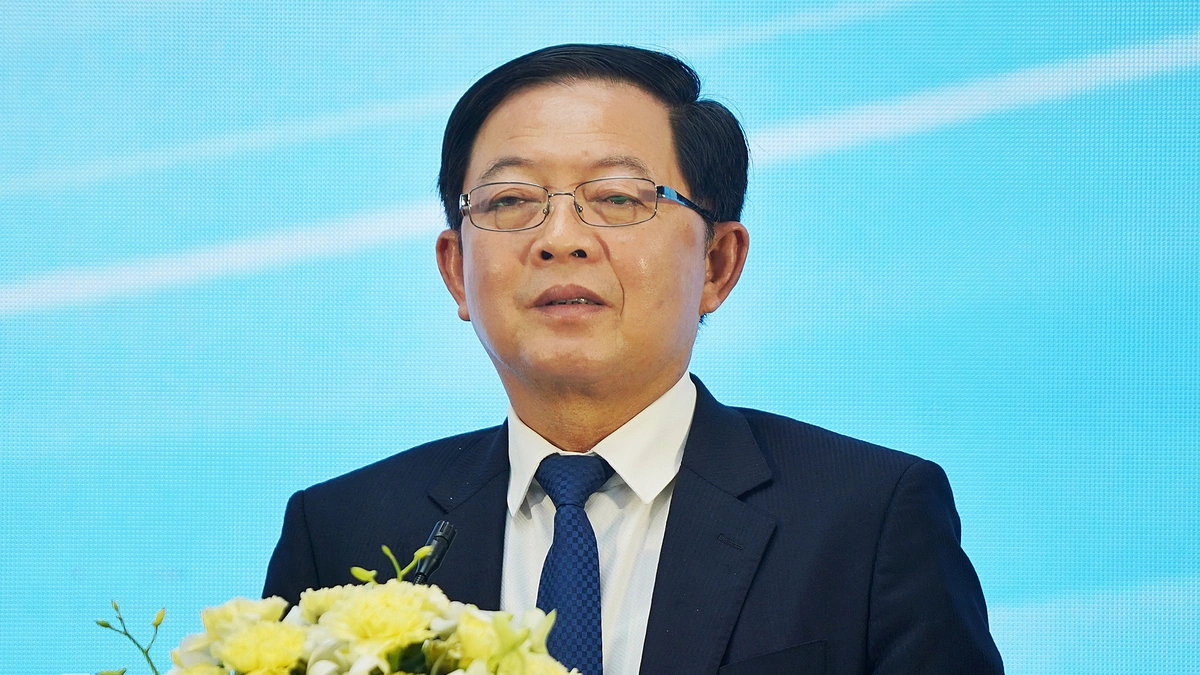
The Vietnamese government is set to exempt scientists from responsibility for unintentional failures in their research activities, aiming to protect them from the inherent risks of scientific exploration. Deputy Prime Minister Ho Quoc Dung announced this policy at a conference on science, technology, innovation, and digital transformation on July 15. "Scientific research involves exploring the unknown, and it's possible that 1-2 out of 10 endeavors may fail," Dung stated, emphasizing that a system where failures lead to punishment would deter anyone from undertaking new initiatives. Consequently, the government plans to submit a resolution to the National Assembly that would grant immunity from responsibility to researchers who conduct their work with integrity, honesty, and without personal gain, but still encounter failure. This initiative is part of the implementation of Resolution 57 on developing science, technology, innovation, and digital transformation, under which approximately 400 legal normative documents have been issued over the past 18 months. Despite an annual budget of around VND 103 trillion (3% of the state budget) allocated for science and technology, about VND 18 trillion remains unallocated due to a lack of specific research proposals. This is attributed to a reluctance to take responsibility within the research community, stemming from difficulties in valuing rapidly changing technologies and software for procurement, as well as concerns about future audits and inspections. Deputy Prime Minister Dung underscored the nation's need for individuals willing to act and dedicate themselves to the country's development, now that the legal framework and protection mechanisms for scientists are being established. He indicated that the disbursement rate of science and technology funds would be considered a criterion for evaluating the performance of heads of departments and local authorities. In the next phase, government agencies are expected to enhance their supportive roles, researchers should focus on R&D driven by practical needs, universities and research institutes must strengthen collaboration with businesses, and enterprises are tasked with becoming centers of the innovation ecosystem, leading the development of strategic technology products under the Vietnamese brand. Minister of Science and Technology Vu Hai Quan stated that the focus will now shift from building institutions to implementing policies effectively, ensuring that new regulations genuinely stimulate research, innovation, and digital transformation. Information Source: VnExpress

多角的分析

経済的影響

ベトナム政府は科学技術予算の執行率の低さを問題視しており、その原因として研究者の責任回避の心理を挙げている。今回の法改正は、研究開発への投資を促進し、イノベーションを通じて経済成長を加速させるための重要な一歩となる。特に、デジタル変革や戦略的技術製品の開発といった分野で、より積極的な研究活動を促すことが期待される。予算の未配分問題は、単に研究課題の不足だけでなく、資金使途の不透明さや、過去の失敗に対する過度な処罰リスクが、資金の円滑な流れを阻害している構造を示唆している。

投資家心理

今回の発表は、ベトナムの科学技術分野への投資環境改善を示唆する。研究者がリスクを恐れずに革新的な研究に取り組めるようになれば、将来的に有望な技術やスタートアップが生まれる可能性が高まる。特に、政府が推進するデジタル変革や、ベトナムブランドの戦略的技術製品開発は、新たな投資機会を生み出す可能性がある。ただし、法改正の実効性や、研究成果の商業化に向けた具体的な支援策の進捗を注視する必要がある。

社会的影響

ベトナム社会において、科学研究はしばしば「失敗は許されない」というプレッシャーに晒されてきた。今回の法改正は、研究者個人にかかる精神的負担を軽減し、より自由な発想で研究に取り組める環境を整備する試みである。ハノイやホーチミン市などの都市部で活躍する研究者だけでなく、地方の研究機関に所属する研究者にとっても、新たな挑戦への意欲を高める可能性がある。一方で、研究成果の社会への還元や、イノベーションの恩恵が国民全体に行き渡るかどうかが、今後の重要な課題となる。

市民の声

ベトナム国民にとって、科学技術の進展は生活の質の向上に直結する。今回の法改正は、将来的に、より高度な医療技術、効率的なインフラ、そして生活を豊かにする新たな製品やサービスの開発につながる可能性がある。特に、デジタル変革の推進は、教育や行政サービスの利便性を高めることが期待される。しかし、研究開発の成果が国民生活に具体的にどのように還元されるのか、そのプロセスが透明であるかどうかが、国民の信頼を得る上で重要となる。

背景・歴史的文脈

ベトナムでは、ドイモイ政策以降、経済成長とともに科学技術の振興が国家戦略として位置づけられてきた。特に近年、デジタル変革とイノベーションは、高所得国への移行を目指すベトナムにとって最重要課題の一つとなっている。しかし、旧来の官僚的な制度や、失敗に対する過度な処罰リスクが、研究者の積極的な挑戦を妨げる「ボトルネック」となっていた。政府は、2022年に採択された国家決議57号に基づき、科学技術関連の法制度の整備と、研究開発環境の改善を急いでいる。今回の法改正は、その一連の流れの中で、研究者のモチベーション向上とイノベーション創出を後押しするための具体的な措置と言える。

原文ソース

VnExpress

原文を読む