UP study: Need for formal 'batchoy association' to protect Ilonggo culinary heritage
A University of the Philippines study recommends the establishment of a formal 'batchoy association' to promote and protect the Ilonggo pork soup dish, La Paz batchoy, addressing concerns about authenticity and marketing.
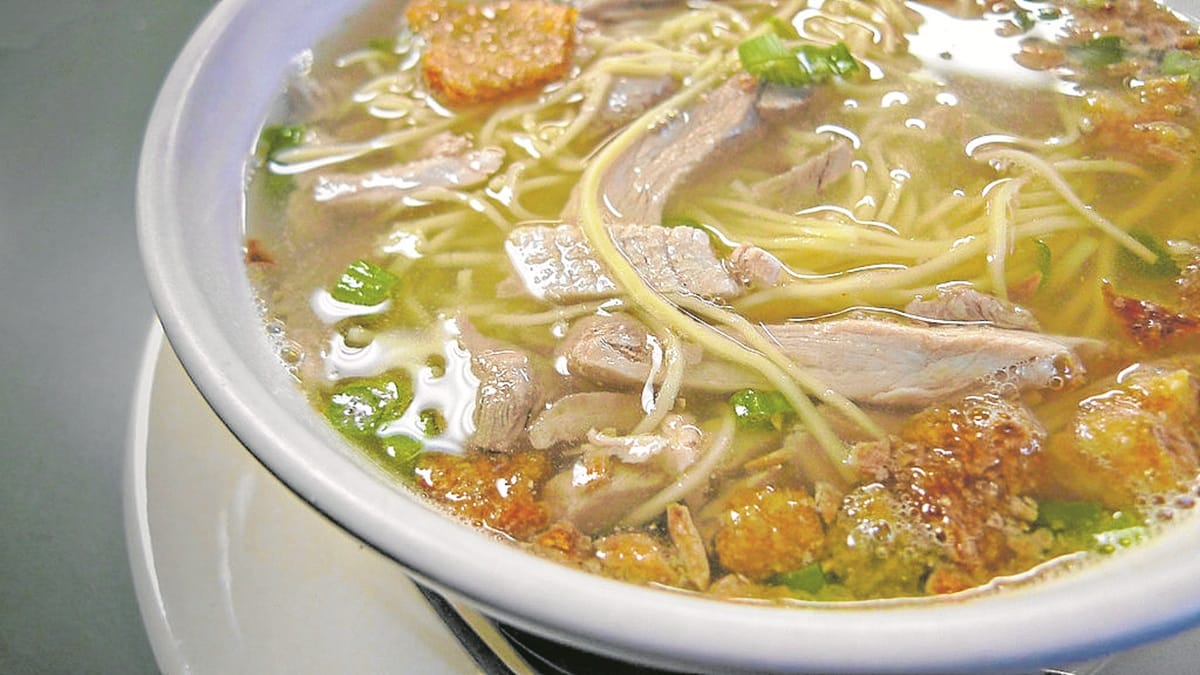
HERITAGE IN A BOWL Calls are made to promote and protect the Ilonggos’ culinary pride. —INQUIRER FILE PHOTO MANILA, Philippines — Savor—and protect it—while it’s hot. A study conducted by the University of the Philippines (UP) is calling for the creation of a formal organization dedicated to the promotion and protection of the pork soup dish La Paz batchoy as a homegrown intellectual property. A policy brief published by the UP Center for Integrative and Development Studies said the dish—named after the La Paz district of Iloilo City—deserves such level of attention as part of the Ilonggo culinary heritage. “A batchoy association will unify batchoy enterprises and put them in a better position to lobby for policies that will preserve and promote the batchoy industry,” Mary Rose Rebueno, a faculty member at UP Visayas, said in the brief. READ: Iloilo’s ‘batchoy’: Tradition vs innovation According to the study, owners of food establishments serving batchoy recently aired some concerns, like the absence of La Paz batchoy in the menu of concessionaires at Iloilo International Airport, the lack of a common service facility for noodle and meat processing, and the need for a more coordinated marketing effort for the dish. These concerns can be better addressed if such businesses are not as fragmented and there’s a unified organization capitalizing on the soup’s cultural and economic significance, it added. Even the very use of the name “La Paz batchoy” was raised as an issue. READ: The story behind the La Paz batchoy offers up questions about authenticity and its limits Some food products are given such branding even if they do not originate from the La Paz district, the study said, citing commercial soup manufacturers as among those “diluting its authenticity.” Rebueno urged stakeholders to work on securing geographical indication (GI) registration for La Paz batchoy, which would require a formal organization that can set production standards. “All these issues and challenges signify how important a batchoy association is so that Iloilo’s batchoy stakeholders can collectively address GI protection for batchoy, lobby for batchoy’s strategic presence in Iloilo ports, set quality standards for batchoy (which is also a requirement for GI), and be able to collaborate as batchoy enterprises towards having a common service facility and promote marketing for batchoy,” she wrote. A GI is a form of intellectual property tag given by the Intellectual Property Office of the Philippines to protect products whose qualities, reputation or characteristics are linked to their place of origin. It certifies that a product comes from a specific locality and meets established production standards. Only four Philippine products have obtained GI registration so far: the Guimaras mangoes; the Asin (salt) Tibuok from Alburquerque, Bohol; the Aklan piña fiber; and the T’nalak Tau Sebu textile woven by the T’boli people of Lake Sebu, South Cotabato. As an initial measure, Rebueno proposed the creation of a “Batchoy Core Group” under the Iloilo City Gastronomy Council. This first step can bring together both longtime and new batchoy establishments and relevant government agencies that can draft quality standards, coordinate research and training, and consolidate cultural narratives in preparation for a GI application. “Preserving Iloilo’s batchoy will entail coordinated governance, shared responsibility, and the commitment to safeguard Iloilo’s gastronomic legacy for future generations,” the study said. /cb
多角的分析
ラ・パス・バッチョイの地理的表示(GI)登録は、そのブランド価値を高め、偽造品との差別化を図ることで、生産者や関連事業者の経済的利益を保護する可能性がある。GI登録は、製品の品質基準を統一し、消費者の信頼を得ることで、国内外での需要拡大に繋がることも期待される。これは、フィリピンの地域特産品が国際市場で競争力を高めるための重要な一歩となり得る。
GI登録は、ラ・パス・バッチョイに関連する事業への投資リスクを低減させる要因となる。ブランドの真正性が保証され、収益性が安定することで、食品産業や観光産業への投資が促進される可能性がある。特に、フィリピンの食文化に関心を持つ海外投資家にとって、GI認定された製品は魅力的な投資対象となり得る。
ラ・パス・バッチョイのGI登録は、イロイロ市民の文化的な誇りを保護し、地域経済の活性化に貢献する。しかし、GI登録のプロセスや基準設定において、小規模事業者や伝統的な調理法を守る人々が排除されないよう、公正なプロセスが確保される必要がある。また、地域外でのバッチョイの普及と、その真正性の維持とのバランスも重要な課題となる。
イロイロ市民にとって、ラ・パス・バッチョイは単なる料理ではなく、地域文化の象徴である。GI登録の動きは、自分たちの食文化が正当に評価され、保護されることへの期待感をもたらす。一方で、空港での提供がないことや、共同施設の不足といった日々の不便さの解消も、市民が団体設立に期待する大きな理由の一つである。
背景・歴史的文脈
ラ・パス・バッチョイは、フィリピン・ビサヤ諸島、特にイロイロ州にルーツを持つ国民食であり、その独特の風味と歴史的背景から、地域文化の象徴として深く根付いている。しかし、近年、その普及と保護に関して、地域外での偽装商品や、統一されたブランド戦略の欠如といった課題が浮上してきた。フィリピンでは、地域特産品の知的財産権保護の重要性が認識されつつあり、地理的表示(GI)制度の活用が模索されている。本件は、こうした流れの中で、国民食の保護とブランド価値向上を目指す動きの一環として位置づけられる。
原文ソース
Inquirer NewsInfo