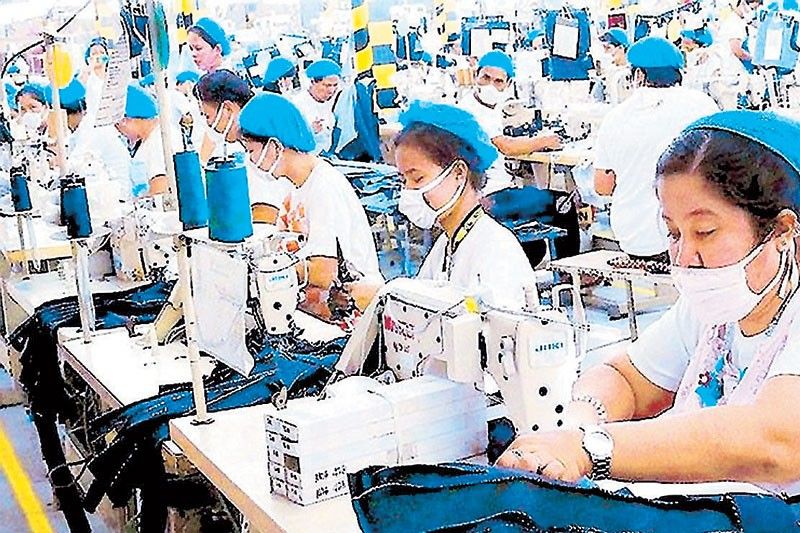
Philippines Factory Activity Sustains Expansion in June, but Confidence Dips
Philippine manufacturing sustained its expansion in June, buoyed by improved demand and output. However, business confidence fell to a five-month low, signaling cautious optimism for the future.
The manufacturing sector in the Philippines sustained its expansion in June, as indicated by a slight uptick in the Purchasing Managers’ Index (PMI) to 50.9 from 50.8 in May, according to S&P Global. A PMI reading above 50 signifies expansion compared to the previous month, while a reading below 50 indicates a decline. The PMI, a weighted average of new orders, output, employment, supplier delivery times, and stocks of purchases, is derived from a survey of approximately 400 manufacturers. Maryam Baluch, economist at S&P Global Market Intelligence, stated, "Manufacturing conditions in the Philippines continued to improve in June, building on the tentative recovery observed in May as the sector regained footing following disruptions linked to the war in the Middle East." Manufacturers’ output increased, mirroring the growth in new orders which reflects improved demand. The rise in new orders also prompted manufacturers to increase their purchases of additional raw materials for the first time in four months. Furthermore, staffing levels remained unchanged in June, signaling a stabilized employment picture. Baluch noted, "This marks a shift from job losses recorded in the opening months of the second quarter." She added that backlogs due to higher orders also point to potential future hiring. While inflationary pressures eased in June, sharp increases in the two preceding survey periods have weighed on the outlook for the year ahead, according to Baluch. Overall, manufacturers are optimistic and anticipate improved demand as they plan to introduce new products and expand into new markets. However, confidence levels fell to their lowest point since January. "Business confidence fell markedly in June, indicating that while the sector gained traction, firms are cautious regarding the outlook," Baluch said. Elizabeth Lee, chairperson of the Federation of Philippine Industries, commented that businesses are currently assessing the cumulative impact of recent cost pressures. She emphasized, "June’s PMI uptick shows Philippine manufacturing can still grow under pressure. However, sustaining that growth means supporting workers while preserving businesses’ ability to invest, employ and compete. We cannot treat one factor in isolation." This sustained expansion in the Philippine manufacturing sector is a positive sign for the domestic economy, particularly for its role in exports and job creation. Despite global supply chain disruptions and inflationary pressures in recent years, the stability indicated by the PMI suggests resilience in domestic demand and the adaptability of businesses. However, the decline in confidence highlights uncertainties regarding future investment and production expansion, making government policy support and global economic trends crucial factors for the sector's future trajectory.
多角的分析
フィリピン製造業の6月のPMIが50.9と、5月の50.8からわずかに上昇し、拡大基調を維持したことは、国内需要の底堅さを示唆している。特に、新規受注の増加が生産拡大と原材料購入の増加に繋がった点は、サプライチェーンの回復と生産活動の活発化を示している。しかし、企業信頼感が5ヶ月ぶりの低水準に落ち込んだことは、インフレ圧力の持続や、グローバル経済の不確実性に対する懸念が、将来の投資意欲を抑制している可能性を示唆する。これは、製造業が輸出に依存する側面と、国内消費に支えられる側面の両方を持つため、今後の経済成長の持続性を見極める上で重要なシグナルとなる。
フィリピン製造業のPMIが拡大を維持していることは、短期的な事業環境の安定性を示すポジティブな兆候である。新規受注の増加とそれに伴う生産活動の活発化は、企業収益の安定に寄与する可能性がある。しかし、投資家にとって最も懸念されるのは、企業信頼感の低下である。これは、将来の需要見通しに対する不確実性や、コスト上昇圧力の継続を示唆しており、新規設備投資や事業拡大への意欲を鈍化させる可能性がある。特に、海外からの直接投資(FDI)を呼び込むためには、安定した成長見通しと、それに裏打ちされた企業の楽観的な見方が不可欠であるため、この信頼感の低下は今後の投資環境に影響を与える可能性がある。
製造業の拡大は、雇用維持・創出という点でフィリピン社会にとって重要である。6月に雇用者数が横ばいであったことは、第2四半期初頭に見られた雇用減からの改善を示しており、労働市場の安定化に寄与する。しかし、企業信頼感の低下は、将来的な雇用機会の増加に対する期待を抑制する可能性がある。また、エリザベス・リー氏が指摘するように、成長を持続させるためには労働者の支援と企業の競争力維持の両立が不可欠であり、インフレによる生活費の上昇が労働者の購買力を圧迫する中で、賃金と物価のバランスが問われることになる。製造業の安定は、地方経済への波及効果も期待できるため、その持続性は国民生活の安定に直結する。
製造業の好調は、雇用機会の安定や、国内で生産される製品の供給に影響を与えるため、市民生活に間接的な恩恵をもたらす。特に、新規受注の増加が生産拡大に繋がれば、国内市場への製品供給が増え、物価の安定に寄与する可能性がある。しかし、企業信頼感の低下は、将来的な賃上げや、より良い雇用機会の創出に対する期待を抑制する要因となり得る。また、インフレ圧力が完全に解消されたわけではないため、市民は依然として生活費の上昇に直面する可能性があり、製造業の安定が、こうした経済的課題の緩和にどこまで寄与するかが注目される。
背景・歴史的文脈
フィリピンの製造業は、長年にわたり国内経済の成長と雇用創ちの重要な柱となってきた。特に、BPO(ビジネス・プロセス・アウトソーシング)産業と並び、輸出産業の基盤を形成している。近年のフィリピン経済は、内需の強さに支えられてきたが、グローバルサプライチェーンの混乱や、パンデミックの影響、そして最近では中東情勢の緊迫化によるエネルギー価格の上昇などが、製造業の生産コストや輸出入に影響を与えてきた。2022年後半から2023年にかけては、インフレの高進が国内消費を圧迫する懸念もあったが、政府のインフレ抑制策や、堅調な海外からの送金が消費を下支えしてきた。今回のPMIの安定は、こうした逆風の中でも、フィリピン製造業が一定の回復力と適応力を見せていることを示唆している。
原文ソース
Philstar Business