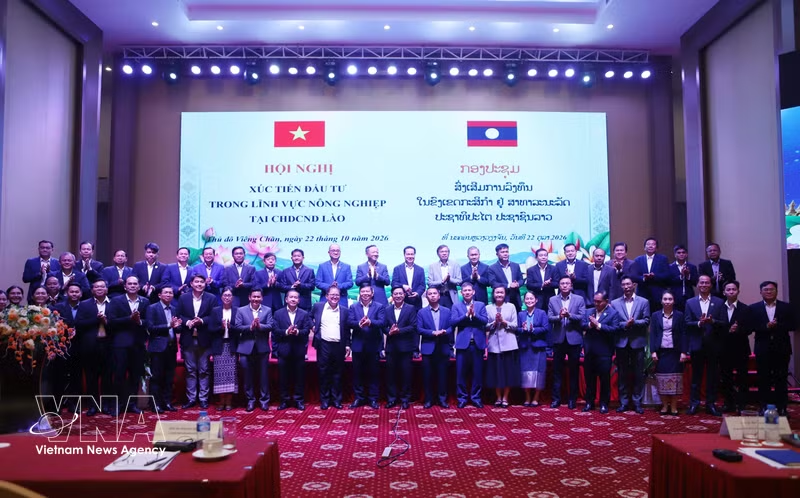
Vietnam, Laos Deepen Agricultural Ties, Boosting Investment and Trade
Some 208 Vietnamese firms have invested around $1.4 billion in Laos' agriculture, forestry, and livestock sectors. Both nations are upgrading infrastructure to achieve $10 billion in bilateral trade by 2030.
Read up to 3 eligible full articles per Japan day (JST) for free
Create a free account to open up to 3 eligible full articles per Japan calendar day (JST). Headlines and summaries remain available across ASEAN 7.
Related articles
- Vietnam National Assembly Debates Raising Administrative Penalty Ceilings
Vietnam's National Assembly debated proposed amendments to the Law on Handling Administrative Violations, focusing on raising maximum fines. Some deputies expressed concern that while higher fines could enhance deterrence, excessively high penalties exceeding the financial capacity of individuals and businesses might be counterproductive, urging careful consideration.
- Vietnam: Deposit Rates Fall While Lending Rates Remain High, Potentially Impacting Households and Businesses
In Vietnam, approximately 20 banks have lowered deposit interest rates. However, average lending rates in September rose by 0.2 percentage points from the previous month to nearly 11% annually. This interest rate gap could impact household consumption and business investment.
- Vietnam Eyes Poland as Top Investor from Central-Eastern Europe
Vietnamese President Tô Lâm met with Polish Prime Minister Donald Tusk, expressing a desire for Poland to become a leading investor from Central-Eastern Europe and aiming to increase bilateral trade to $6 billion. Vietnam seeks cooperation in sectors including processing, manufacturing, food, pharmaceuticals, environmental protection, and infrastructure development.
- Vietnam and Poland Elevate Ties to Strategic Partnership
Vietnam and Poland have agreed to elevate their bilateral relations to a Strategic Partnership. This move signifies a deepening of over 75 years of friendship and aims to bolster cooperation across political, economic, security, and educational sectors, thereby enhancing the roles of both nations in regional and global arenas.