General articles are free for 24 hours after publish.
Vietnam: Heat Returns to North, Heavy Rains Expected in South
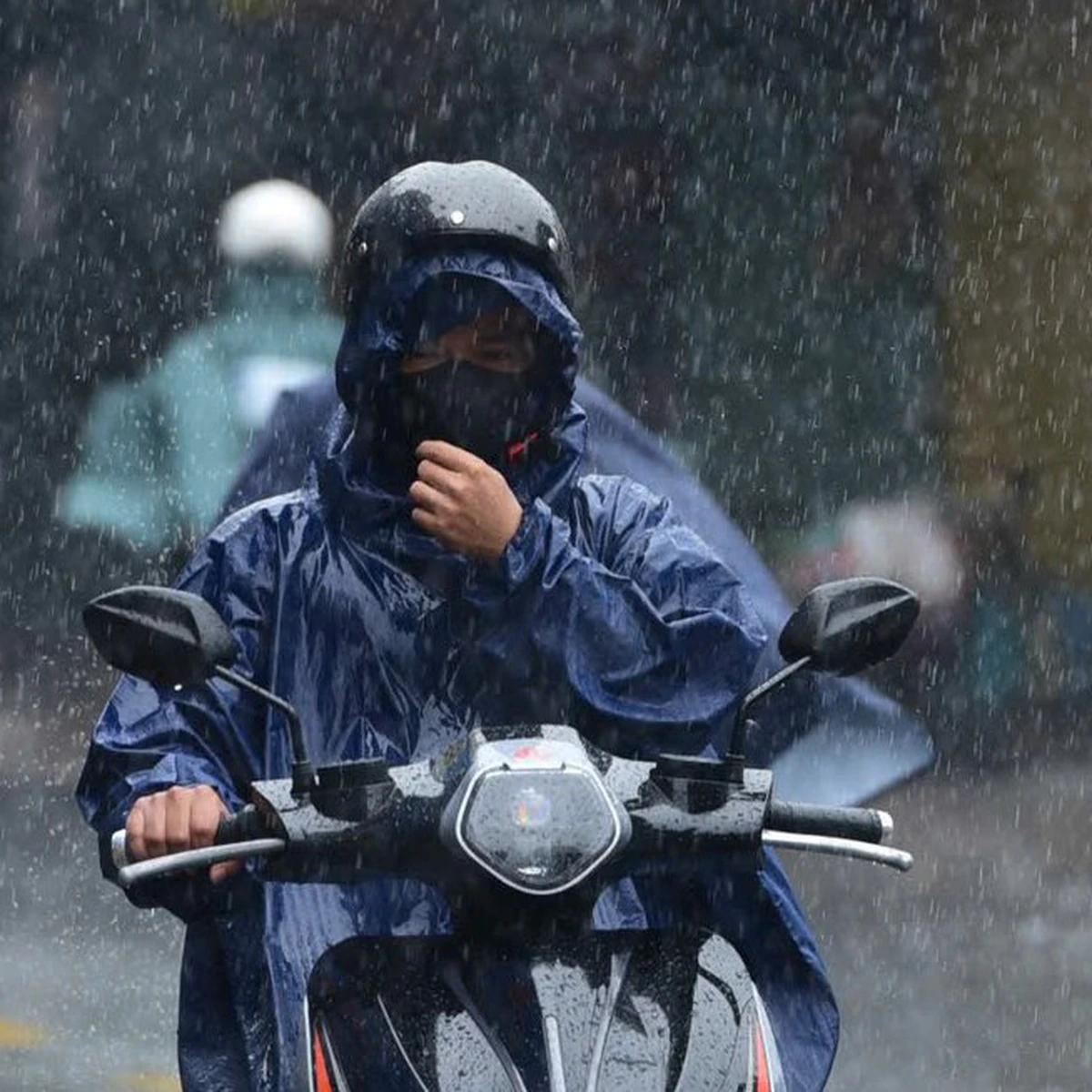
On September 22, Vietnam's northern regions will experience a return of heat after a prolonged period of rain and wind, while the south anticipates heavy thunderstorms. Coastal areas and islands are warned of potential tornadoes and strong gusts.
On September 22, Vietnam's northern regions are expected to experience a return of intense heat after a prolonged period of rain and wind. Meanwhile, the south anticipates heavy thunderstorms, with particularly heavy rainfall predicted for the afternoon. According to the National Center for Hydro-Meteorological Forecasting, areas from Hue City to Da Nang City, eastern Quang Ngai Province to Dak Lak Province, and Khanh Hoa Province could see rainfall ranging from 90 to 170mm, with some locations exceeding 300mm. Western Dak Lak Province, Lam Dong Province, and southern regions are forecast to receive 70-150mm, with some areas experiencing over 250mm of rain. Specifically, there is a warning of the risk of concentrated heavy rainfall exceeding 100mm per 3 hours. In the north, sunny spells are expected to return during the day, with some areas experiencing heatwaves. Along the coast, rain and thunderstorms are forecast from southern Quang Tri to Ca Mau, Ca Mau to An Giang, the Gulf of Thailand, and the central and southern parts of the East Sea (including the Spratly Islands). These maritime areas face the potential for tornadoes, strong gusts of 7-8 meters per second, and sea waves exceeding 2 meters, posing risks to all vessels operating in these regions. The capital, Hanoi, will experience sunny days with some heat, with minimum temperatures ranging from 24-26°C and maximum temperatures between 33-35°C. The northwestern and northeastern regions are also predicted to have sunny spells and higher temperatures. In the central coastal areas, heavy rain is forecast around Hue City, while rain and thunderstorms are expected in the south-central coast and the Central Highlands. Across the southern region, especially Ho Chi Minh City, heavy rain is highly likely in the afternoon. Ho Chi Minh City's temperatures are expected to range from a minimum of 24-27°C to a maximum of 32°C. Vietnam's weather forecasts highlight the volatility of climatic changes during the transition of seasons. The resurgence of heat in the north could impact daytime activities, while concentrated heavy rainfall in the south heightens the risk of floods and landslides. In Vietnam's one-party system, the response to such natural disasters hinges on the coordination between central government directives and local authorities. For a rapidly growing economy like Vietnam, infrastructure development and disaster preparedness are pressing issues, especially as domestic stability remains a key policy objective amidst increasingly complex relations with China. Source: The Saigon Times
Original source
The Saigon Times