General articles are free for 24 hours after publish.
Thailand's Ladyboy Culture: Beyond Stereotypes
The term 'ladyboy' in Thailand, often used by tourists, is a simplification. Many individuals prefer 'kathoey' or identify as women. While this culture is visible, it encompasses diverse identities, work lives, and beliefs beyond cabaret shows and nightlife. Understanding requires considering language, daily life, legal rights, and respectful travel.
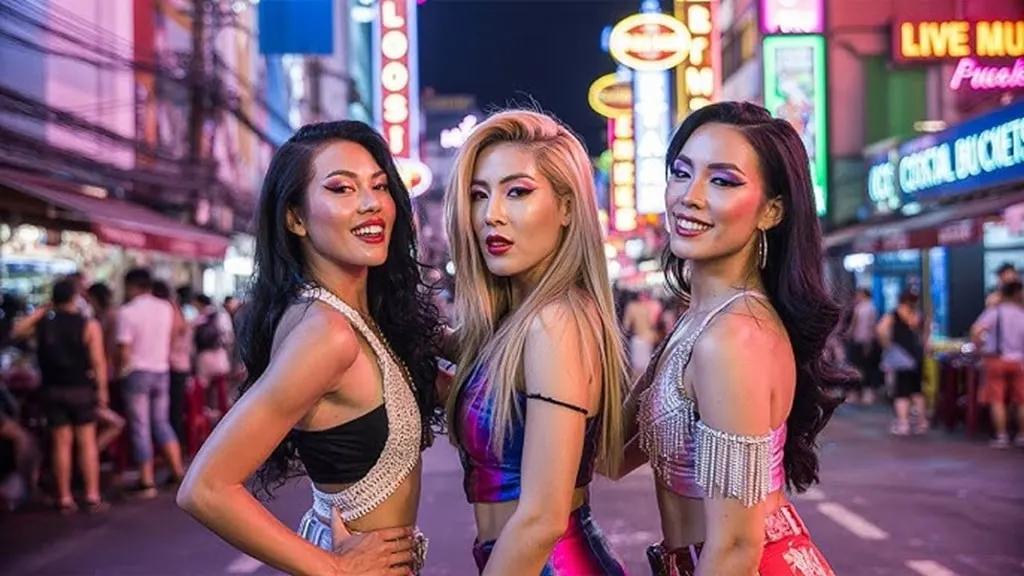
“Ladyboy” is a common tourist term for some Thai transgender women, but many people prefer kathoey or identify simply as women. The label can describe a visible part of Thai culture, yet it doesn’t capture every person’s identity, work, family life, or beliefs. Thailand’s kathoey culture has historical roots, strong public visibility, and a complicated relationship with tourism. Understanding it requires more than watching a cabaret show or visiting a nightlife district. Language, daily life, entertainment, social attitudes, legal rights, and respectful travel all matter. Thai ideas about gender have developed through local language, family life, religion, media, and social customs. They don’t fit neatly into Western categories such as only “man” and “woman.” The word kathoey has also changed over time, and people use it differently depending on age, region, and personal preference. Historical references are often connected to ideas of a third sex or gender in Thai culture. Buddhist traditions also include stories and categories related to gender and sexuality, including the term pandaka in some Buddhist texts. Still, religion doesn’t explain every kathoey person’s identity. Personal experience, social surroundings, and self-understanding remain more important. Kathoey is commonly used for transgender women, feminine people assigned male at birth, and, in some settings, other gender-diverse people. The meaning isn’t fixed. Some transgender women use it proudly, while others prefer “trans woman” or “woman.” The English word ladyboy is widely understood by visitors. However, it can sound commercial, outdated, or disrespectful, especially when strangers use it without asking. Phuying means “woman” in Thai. Phuying praphet song literally means “a second type of woman” and may describe some transgender women. Phet thi sam means “third gender” or “third sex,” although it doesn’t describe every person’s identity. These terms overlap, but they aren’t interchangeable. The Kathoey overview offers useful background, yet a dictionary definition can’t replace a person’s own choice of words. Kathoey people are visible in Thai television, beauty competitions, salons, restaurants, hotels, and nightlife. That visibility can make Thailand appear fully accepting to visitors. However, social visibility and legal protection are different things. Transgender people may still face discrimination in hiring, schools, health care, housing, and family relationships. Some workplaces expect feminine employees to entertain customers but resist promoting them into management. Rural communities can also offer fewer support networks than major cities. Thailand has no reliable official census category for kathoey people. As a result, population estimates vary widely, and no single figure should be treated as exact. Kathoey people work in beauty salons, offices, hotels, restaurants, schools, shops, media, health care, and their own businesses. Some work in cabarets or sex work, but no occupation defines the community. Family reactions also differ. Some relatives offer strong support, while others worry about social judgment, marriage expectations, or employment. A person may be open about their identity with friends but private at work or home. Makeup, hair styling, clothing, hormones, cosmetic treatments, and gender-affirming surgery are personal choices. One kathoey woman may enjoy dramatic makeup and fashion, while another may prefer jeans and a low-maintenance style. Some want surgery, others don’t, and many face financial or medical limits. Beauty work has a practical side in Thailand. Salons and cosmetics counters can provide income, training, and a supportive workplace. Social media also gives people space to share makeup skills, fashion, humor, and personal stories on their own terms. Access remains uneven. Hormone treatment may involve private clinics, informal advice, or financial hardship, which is why initiatives concerning healthcare for the transgender community in Thailand matter. Medical decisions should come from qualified professionals, not online sellers or unverified advice. Bangkok and Pattaya are the places most visitors associate with Thai ladyboy culture. Travelers may meet kathoey performers, salon workers, hotel staff, shop employees, and entertainers in both cities. Yet ordinary life continues outside nightlife districts. Kathoey people ride public transportation, shop in malls, eat at restaurants, attend classes, and work in offices. Visibility can change between neighborhoods, smaller towns, and rural communities. A visitor who looks only at bar streets sees a narrow slice of Thai society. ### The Story of Nong Toom and Wider Representation Parinya Charoenphol, known as Nong Toom, became one of Thailand’s best-known kathoey public figures. She gained attention as a Muay Thai fighter in the 1990s, then built a career as a model and actress. Her story challenged assumptions about who could enter a traditionally masculine sport. The 2003 film Beautiful Boxer brought her life to a global audience. Nong Toom’s career helped people discuss gender, ambition, sport, and public identity in a different way. Still, one famous person can’t represent an entire community. Her path differs from those of office workers, parents, students, performers, and business owners across Thailand. Tourism helped make kathoey culture highly visible to international audiences. Cabaret shows, nightlife venues, travel magazines, online videos, and the sex industry all played a role. Bangkok and Pattaya became especially associated with ladyboy entertainment. Tourism creates income and can give performers access to audiences, training, and professional networks. At the same time, it can turn people into attractions and encourage visitors to expect every kathoey person to be flirtatious, available, or performing. A travel-focused overview of ladyboy culture may introduce visitors to common topics, but tourism shouldn’t be the only lens. Daily life, work, family, and personal goals matter just as much. Thai cabaret performances often combine singing, dancing, elaborate costumes, wigs, comedy, and stage makeup. The performers are professionals who rehearse, manage schedules, and earn money through their work. A stage persona is carefully produced for an audience. It may be glamorous, comic, bold, or highly feminine. That performance doesn’t tell you how the performer identifies in private or how other kathoey people live. Treat cabaret artists like other entertainers. Buy a ticket through a legitimate venue, follow house rules, and don’t assume that a performancepermits youn to ask personal questions afterward. Good manners are simple, even when the cultural context feels unfamiliar. Use the person’s chosen name and pronouns. If you’re unsure, listen to how others address them or ask politely when the setting allows it. Ask before taking photographs, especially in bars, salons, wo
Original source
Chiang Rai Times