Former Resident Recalls 1970s Saigon: A City of Vitality and Freedom
A former American resident who lived in Saigon (now Ho Chi Minh City) in the early 1970s reminisces about the city's vitality, free atmosphere, and diverse values, describing economic, political, and press freedoms distinct from present-day Vietnam.
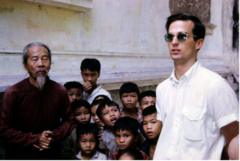
Professor Stephen B. Young, an American who lived in Saigon (now Ho Chi Minh City) in the early 1970s, vividly recalls the city at that time as "bustling, open, and full of hope." In an interview with BBC News Tiếng Việt, Young shared his experiences not just as a former official, but as someone who walked the streets, ate, and socialized with friends in Saigon. Young arrived in Vietnam in the late 1960s to work for the U.S. Agency for International Development (USAID), involved in rural development and decentralization programs. Living in Saigon from 1970 to 1971, he met and married his Vietnamese wife. He describes Saigon then as having a free atmosphere economically, politically, and in terms of the press, where people appeared to be pursuing their dreams and work goals. He also noted the diversity of opinions, religions, and political groups, making society rich and vibrant. During a return visit to Vietnam in the early 1990s, Young observed people in Hanoi hesitating to speak, fearing consequences, a stark contrast to the open atmosphere he experienced in Saigon. He points out that Saigon's open climate facilitated smooth communication between American officials and local authorities. Young believes the name "Saigon" carries a meaning beyond an administrative unit. For him, "Saigon" represents "the people's," while "Ho Chi Minh City" feels like "the Party's." He analyzes that many Vietnamese, both domestically and abroad, use the word "Saigon" to evoke memories of freedom, education, and social life before 1975. Upon hearing from his son, who visited Vietnam in 2025, that Ho Chi Minh City has transformed into a modern metropolis like Singapore or Tokyo with a vibrant population, Young stated that it was also reminiscent of the old Saigon. He believes Saigon today retains some of its free spirit compared to Hanoi. He views the recent re-establishment of a ward named "Saigon" in Ho Chi Minh City as a positive step towards reconciliation after many years of division. Source: BBC Vietnamese
多角的分析
ヤング教授が言及する1970年代初頭のサイゴンの「経済的な自由」は、当時のベトナム共和国(南ベトナム)が市場経済を志向し、米国の経済支援を受けていた状況を反映している。しかし、これはベトナム戦争という特殊な状況下での経済であり、現在のベトナムが推進するドイモイ(刷新)政策による市場経済化とは性質が異なる。当時の経済活動は、戦争によるインフレや物資不足といった課題も抱えていたと考えられる。現在のベトナム経済は、外国直接投資の誘致や輸出主導型成長を特徴とするが、その自由度は政治体制による制約を受けている。
ヤング教授の回想は、直接的な投資環境の分析ではないが、当時のサイゴンの「活気」と「自由」は、外国からの関心を引きつける潜在的な要因であったことを示唆している。しかし、ベトナム戦争という不安定な地政学的状況は、大規模な直接投資にとっては大きなリスクとなっていた。現在のベトナムは、安定した政治体制と経済成長を背景に、多くの外国投資家にとって魅力的な市場となっている。特に、製造業やテクノロジー分野への投資が活発化しており、ヤング教授が語るような「自由な経済活動」は、現在のベトナムの法制度や政府の政策によって規定されている。
ヤング教授が語る1970年代サイゴンの「開放性」と「多様な意見」は、当時のベトナム共和国が、現在のベトナム社会とは異なる社会構造を持っていたことを示唆している。彼は、多様な宗教、政治グループ、そして自由な言論空間が存在したと回想している。これは、現在のベトナムの一党体制下では見られない側面である。現在のベトナムでは、社会の安定と発展が重視される一方で、表現の自由や政治的自由には一定の制約が存在する。ヤング教授が「サイゴン」という名称に込める「国民のもの」という感覚は、現在のベトナム社会における、党と国民の関係性や、歴史認識を巡る議論にも通じるものがあるかもしれない。
ヤング教授が描く1970年代サイゴンの「活気」と「自由」は、当時の市民が自己実現を目指し、活発に活動していた様子を想起させる。彼は、人々が「目的を持ってどこかへ行こうとしていた」「自分の夢や仕事の目標を追求していた」と述べている。これは、現在のベトナムの都市部で見られるダイナミズムとも一部共通するが、ヤング教授が強調する「経済的、政治的、報道の自由」は、現在のベトナム市民の生活実感とは異なる側面を持つ。特に、政治的な意見表明や情報へのアクセスにおいては、現在のベトナム社会はより統制された環境にある。ヤング教授が「サイゴン」と「ホーチミン市」を対比させる際に示す、「国民のもの」対「党のもの」という感覚は、ベトナム市民のアイデンティティや歴史認識にも影響を与えている可能性がある。
背景・歴史的文脈
1975年のベトナム戦争終結と南北統一は、ベトナムの政治・社会・経済体制を大きく変革した。統一後、ベトナムは社会主義共和国となり、サイゴンはホーチミン市と改称された。ヤング教授が言及する1970年代初頭のサイゴンは、ベトナム共和国(南ベトナム)の首都として、米国からの経済・軍事支援を受け、西側諸国の影響を受けた文化や社会構造を持っていた。一方、北ベトナムは社会主義体制を敷き、ソ連や中国との関係を深めていた。この二つの体制の対立と、その後の統一は、ベトナムの歴史における重要な転換点であり、現在のベトナム社会のあり方に深い影響を与えている。1986年に始まったドイモイ政策は、市場経済の導入と対外開放を進め、ベトナム経済を大きく成長させたが、政治体制は依然として共産党の一党支配が続いている。
原文ソース
BBC Vietnamese