Solar-Powered Farmhouse in Thai Countryside Embodies Sustainable Living
Infrastructure
2026年7月3日
5
VnExpress
Relations
🇻🇳Vietnam🇹🇭Thailand

Solar-Powered Farmhouse in Thai Countryside Embodies Sustainable Living

AI サマリー

A 150-square-meter farmhouse-style house has been completed on nearly 8,000 square meters of land in the outskirts of Chiang Mai, Thailand. It embodies sustainable living, incorporating a solar power system and permaculture principles.

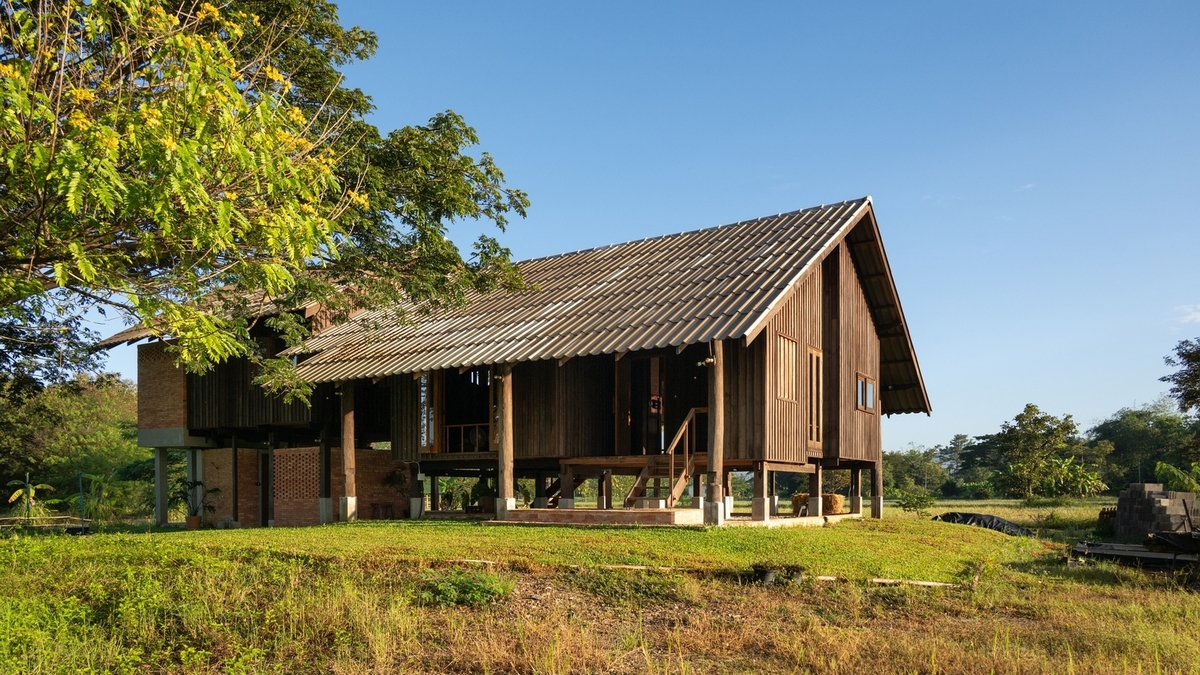
A 150-square-meter farmhouse-style house has been constructed on a vast 8,000-square-meter plot of land near Chiang Mai, Thailand. Designed to blend with the surrounding mountains and rice fields, the house features a low-sloping roof and a wooden architectural style, with the design team prioritizing minimal impact on the landscape. The entire plot is organized based on the principles of permaculture, a design philosophy that mimics natural ecosystems. Prior to construction, detailed analysis using satellite imagery identified terrain, drainage patterns, and natural low-lying areas. A pond was excavated at the lowest point of the property to collect rainwater and facilitate water circulation throughout the garden. This approach allows the landscape to function according to its natural slope, minimizing extensive land modification. The farm aims for organic cultivation without the use of chemicals, creating a self-sustaining ecosystem where plants, water, livestock, and soil interact, reducing reliance on artificial care. The main house itself resembles two connected wooden houses with sloping roofs. Elevating the floor provides expansive views of the surrounding scenery and improves drainage during heavy rainfall. The value of this home lies not in expensive materials or complex forms, but in how the house, water, plants, and energy are managed as a unified system. The property is inhabited by not only the owners but also dogs, cats, ducks, chickens, and fish in the pond. The presence of birds, insects, and other small creatures indicates the gradual stabilization of the ecosystem. An open outdoor space is situated beneath the main house, serving as an area for communal meals, reading, napping, and gatherings. The property operates without utility poles or overhead electrical wires; a solar power system supplies energy to the entire house, ensuring an uninterrupted view of the landscape connecting the house, garden, rice fields, and sky. The wooden structure, sloping roof, and large openings evoke a sense of connection to traditional farmhouses while meeting modern living needs. Interior spaces are furnished minimally to maintain continuous views of the garden, rice fields, and mountains. The living area features exposed wooden structures and matching wooden flooring, with furniture placed against the walls to maximize central floor space. The kitchen and dining area directly connect to the outdoor terrace through large sliding doors, supporting daily cooking, dining, and living activities. A loft walkway has been designed as a small workspace along the wooden walls to save space. The bedrooms utilize matching walls, floors, and wooden frames for a seamless, cohesive sleeping environment. Large windows facing the greenery outside allow natural light and expand the view of the farm landscape.

多角的分析

経済的影響

この記事で紹介されている住宅は、太陽光発電システムと永久農業(パーマカルチャー)という、持続可能なエネルギーと農業モデルを採用しています。これは、長期的な視点で見ると、エネルギーコストの削減と食料自給率の向上に繋がり、経済的な自立を促進する可能性があります。特に、化石燃料への依存度を減らし、再生可能エネルギーへの移行を進めるベトナムの国家的なエネルギー戦略とも合致する可能性があります。ただし、初期投資の大きさや、こうした持続可能なモデルが一般家庭に普及するための技術的・経済的なハードルは依然として存在します。

投資家心理

この記事で描かれているような、再生可能エネルギーと持続可能な農業を統合したライフスタイルは、将来的な投資機会を示唆しています。太陽光発電パネル、蓄電システム、さらにはパーマカルチャーに基づいた農産物加工・販売など、関連技術やサービスへの投資が考えられます。また、このようなライフスタイルを支援する不動産開発や、エコツアーなどの観光分野への波及効果も期待できるでしょう。ただし、現時点ではニッチな市場であり、大規模な投資には市場の成熟度を見極める必要があります。

社会的影響

この住宅は、自然との調和を重視した暮らしを提案しており、都市部での生活に疲れた人々や、より健康的な生活を求める層にとって魅力的な選択肢となり得ます。敷地内に多様な動植物が生息していることは、安定した生態系が人々の精神的な健康にも良い影響を与える可能性を示唆しています。また、地域社会との繋がりや、持続可能な食料生産への関心を高めるきっかけにもなり得ます。一方で、このような生活様式は、都市部での生活とは異なるスキルや知識、そしてある程度の土地や初期投資を必要とするため、誰もが容易に享受できるものではないという側面もあります。

市民の声

この記事で紹介されているような、太陽光発電と永久農業を取り入れた暮らしは、ベトナムの市民、特に地方部や自然志向の層にとって、将来的な理想の住まい像を示唆しています。都市部への人口集中が進む中で、地方の豊かな自然環境を活かし、自給自足に近い生活を送ることは、生活コストの削減や、より健康的な生活への憧れに繋がるでしょう。しかし、このような住宅の建設には、まとまった土地と初期投資が必要であり、多くの一般市民にとってはまだ手の届きにくい存在であると考えられます。地方自治体による持続可能な住居支援策などが、普及の鍵となるかもしれません。

背景・歴史的文脈

ベトナムは、経済成長と都市化の急速な進展に伴い、エネルギー需要の増加と環境問題に直面しています。政府は、化石燃料への依存を減らし、再生可能エネルギー(特に太陽光発電)の導入を推進する政策を打ち出しています。また、農業分野では、持続可能な農業実践への関心が高まっており、パーマカルチャーのような手法は、環境負荷の低減と食料安全保障の観点から注目されています。この記事で紹介されているタイの事例は、ベトナムにおいても、将来的な持続可能な住居・生活モデルとして、その可能性を探る上で参考となるものです。

原文ソース

VnExpress

原文を読む