General articles are free for 24 hours after publish.
Indonesia's Karst Caves Face Crisis Amid Development and Conservation Dilemma
Karst landscapes and caves across Indonesia are facing severe threats from mining activities and land-use changes. These areas harbor unique subterranean fauna, ancient prehistoric art, and vital underground water systems supplying millions, making their protection an urgent necessity.
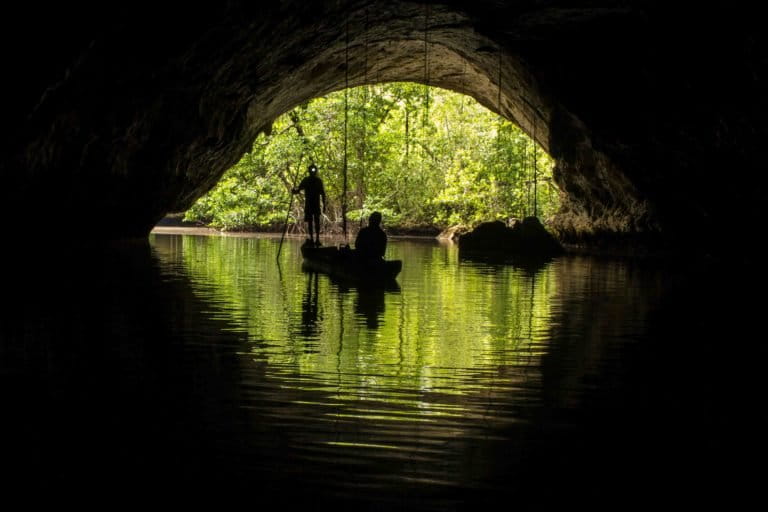
Karst landscapes and caves scattered across Indonesia's vast territory are precious repositories of Earth's history. Within these subterranean realms reside unique fauna adapted to extreme environments, some of the oldest prehistoric art, and underground water systems that supply clean water to millions. However, these invaluable ecosystems and heritage sites are now facing a severe crisis due to mining activities and the expansion of land-use changes. The unique geological structure of karst regions makes them a treasure trove of biodiversity. Organisms that have evolved in the specialized cave environments are of immense scientific importance. Furthermore, prehistoric art, such as cave paintings, offers unparalleled clues to early human culture and lifestyles. Crucially, karst landscapes are vital for groundwater recharge, securing water sources that are lifelines for many local communities. Despite the significance of these karst areas, mining for mineral resources and their conversion into agricultural land or residential areas are proceeding in the name of economic development. This leads to increased risks of groundwater contamination and destruction, degradation of cave environments, and the potential extinction of resident species. Scientists and environmental organizations are warning that if development continues unchecked, not only will precious natural heritage and water sources be lost, but the very sustainability of local communities will be threatened. Subterranean science, traces of early humans, and the threat of environmental destruction are intricately linked within these karst regions. Protecting them is not merely about preserving nature; it is an urgent imperative for safeguarding the survival foundation for future generations.
Original source
Mongabay Indonesia