Seeking TRO vs impeachment is lawyer Torreon’s ‘house specialty’ – Ortega
Philippine House Deputy Speaker Paolo Ortega V described lawyer Israelito Torreon’s petitions for a Temporary Restraining Order (TRO) against Vice President Sara Duterte’s impeachment trial as his “house specialty.” Lawmakers argued that impeachment proceedings are internal Senate matters, making Supreme Court intervention unnecessary.
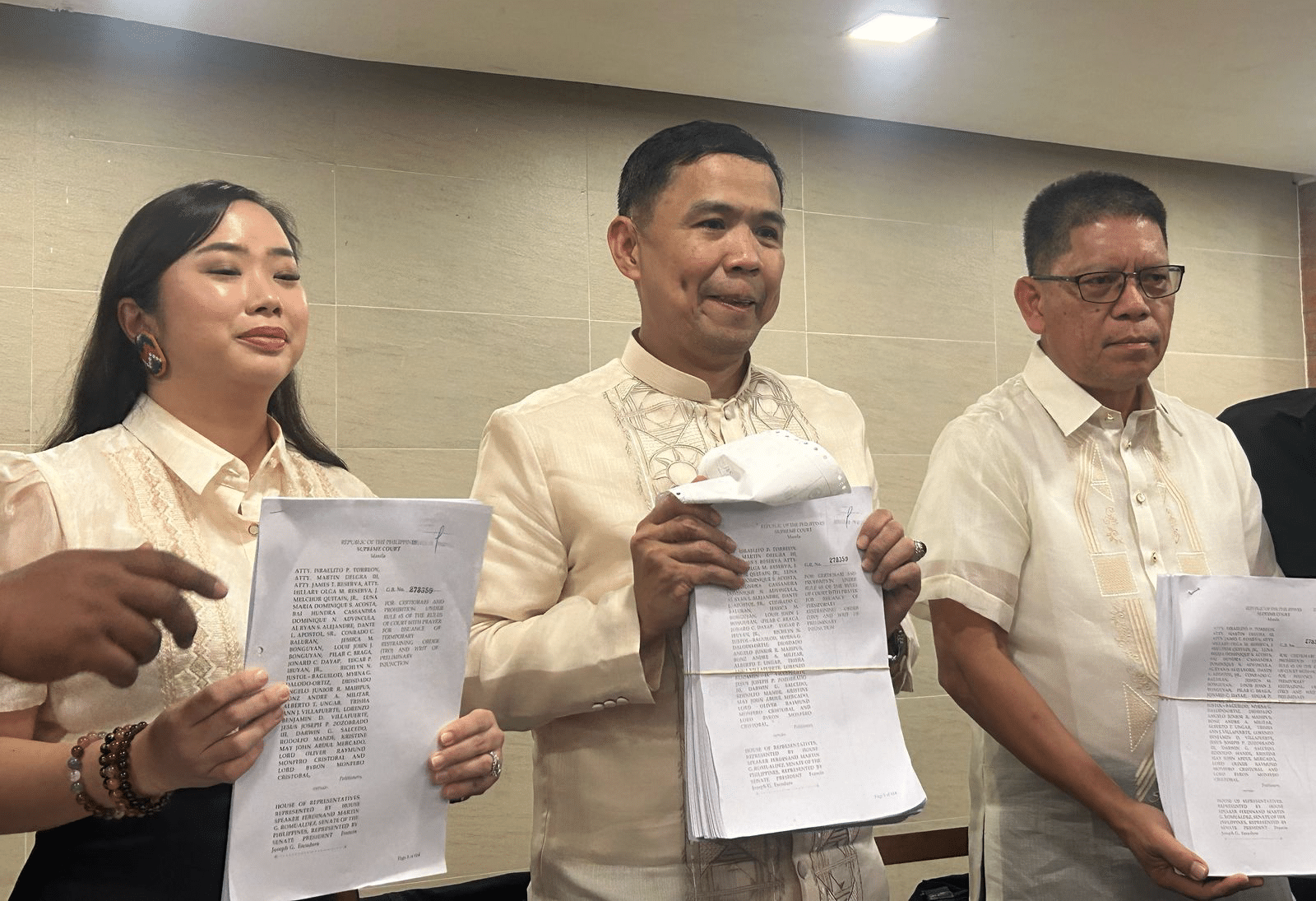
MANILA, Philippines — If lawyer Israelito Torreon owns a restaurant, filing petitions seeking a temporary restraining order (TRO) against Vice President Sara Duterte’s impeachment trial is the “specialty of the house,” House Deputy Speaker Paolo Ortega V said on Tuesday. In a press briefing on the sidelines of the impeachment trial at the Senate, Ortega and other lawmakers commented on Torreon’s decision to ask the Supreme Court (SC) for a TRO to stop the proceedings on grounds that Senator-judge Francis Escudero should not be the presiding officer. According to Ortega, filing TROs seems to be the “bread and butter” of Torreon’s group. “That’s their bread and butter – to file TROs. So I think it already their specialty of the house,” Ortega said. “So, of course, no one is stopping them from doing these things. But they seem to be able to do these things even with their eyes closed, because that is their expertise,” he explained. “And it is only right to file if they want some issues answered. But I believe it was resolved already on the first day of the trial,” he said. Prosecution spokesperson and Lanao del Sur Rep. Zia Alonto Adiong echoed Ortega’s sentiments, saying that everyone is free to file petitions if they believe there is something wrong with the proceedings. However, Adiong thinks that deciding who should preside over the impeachment trial is an internal matter that the Senate must decide on its own. “Anyone is free to question things, and bring these before the Supreme Court. But in my opinion, this is a matter internal to the rules of the Senate, the impeachment trial is an internal matter or an exclusive power given to the Senate,” he remarked. “So it also follows logically that the members, the senators who sit as judges, they will also decide who will be their presiding officer,” he added. Adiong also countered arguments raised by some sectors — including Senator-judge Alan Peter Cayetano — that while the 1987 Constitution is silent on who can preside over impeachment proceedings, except when presidents are being tried, the constitutional framers have preferred that a Senate president lead the way. The current Senate president is Senator Sherwin Gatchalian, but on Monday, Escudero was elected as presiding officer for Duterte’s impeachment. According to Adiong, the constitutional framers may have thought that Senate presidents should preside over impeachment trials, but the only guide should be the provisions mentioned in the Constitution. “I think they are drawing their arguments from a discussion whether the transcript of the Constitution framers would still matter,” he noted. “We’ve heard a lot of legal opinions, but these transcripts during the 1986 Constitutional Convention, they may have influence, but they’re not really controlling,” he further remarked. “What’s important is what (was) ratified by the people, and what the people ratified are the specific provisions spelled out under the Constitution,” he added. Aside from Ortega and Adiong, public prosecutor and Bicol Saro party-list Rep. Terry Ridon also urged Torreon and other lawyers who filed the the 16-page Very Urgent Manifestation with Motion to show mercy on trees cut down just to produce papers for their petitions. Ridon said the group is merely wasting paper, as the battleground is no longer the SC, but the Senate Impeachment Court. According to Torreon and the other lawyers who filed the petition, the amendment made to the Rules of Procedure on Impeachment Trials — that the presiding officer can be elected — cannot be enforced. They believe the June 3 session’s legality is still being challenged as there were supposedly only 12 members present for a quorum. Gatchalian has maintained that the proceedings are legitimate because only 22 senators were within the reach of the Senate during that time, as Senator Ronald dela Rosa evaded public eye while Senator Jinggoy Estrada was detained over plunder charges. According to the petition, only the Senate president can preside over impeachment trials, with the exception of when the president is on trial, which shall be presided over by the chief justice. READ: Group asks SC to void Escudero’s authority to preside over trial This is not the first time that Torreon and other lawyers went to SC in a bid to stop the impeachment. After Duterte was first impeached last last February 5, 2025, the Articles of Impeachment were immediately transmitted to the Senate. This was in accordance with constitutional provisions mandating that a trial must begin promptly if at least one-third of all House members endorse the complaint. READ: House impeaches Sara Duterte, fast-tracking transmittal to Senate The Senate — then under Escudero — remanded the Articles of Impeachment due to constitutional infirmities, noting that there were petitions pending before the SC. One of the petitions came from a group of Mindanao-based lawyers, including Torreon, who argued that the House failed to observe constitutional rules requiring it to act on filed impeachment complaints within 10 session days. READ: Petition to stop impeachment trial vs VP Duterte filed at Supreme Court Then, in March 2026, while the House committee on justice tackled the second set of impeachment complaints, Torreon and other lawyers backing the vice president filed a petition before SC questioning the alleged unconstitutional acts done by the panel. /apl
多角的分析
今回の最高裁へのTRO申し立ては、弾劾裁判の進行に一時的な遅延をもたらす可能性があり、政治的不確実性を高める要因となり得る。政治的混乱は、国内および海外からの投資家心理に悪影響を与え、フィリピン経済への信頼を揺るがす可能性がある。特に、副大統領の地位は政権の安定性を示す指標の一つであり、その弾劾プロセスは経済政策の実行や長期的な経済計画の策定に影響を及ぼす可能性がある。
投資家にとって、このような政治的駆け引きは、規制環境や政策の予見可能性に対する懸念を高める。TROの申し立てとその結果は、フィリピンの司法制度の独立性と有効性に対する投資家の信頼に影響を与える。特に、政治的リスクを重視する投資家は、この種のニュースを注視し、ポートフォリオのリスク配分を見直す可能性がある。南シナ海情勢など、他の地政学的リスクと合わせて総合的に判断されるだろう。
弁護士トレオン氏による弾劾裁判阻止のTRO申し立ては、フィリピンの司法制度における「戦術的訴訟」の傾向を示唆している。これは、法的手段を用いて政治的目標を達成しようとする試みであり、しばしば公的リソース(裁判所の時間、紙資源など)の浪費につながる。市民の視点からは、このような訴訟が、本来解決されるべき社会問題や経済的課題から注意をそらすのではないかという懸念が生じる。また、公的記録の大量印刷は環境負荷への批判も招く。
市民の視点では、副大統領の弾劾裁判という極めて重要な政治プロセスにおいて、弁護士が裁判の進行を遅らせるための法的手段を繰り返し用いることは、司法制度への信頼を損なう可能性がある。特に、トレオン氏の行動が「ハウススペシャリティ」と揶揄されるほど常態化しているとすれば、これは市民が政治的プロセスに失望する一因となりうる。市民は、迅速かつ公正な司法手続きを求めており、このような遅延戦術は、彼らの関心事が政治的駆け引きに埋もれてしまうのではないかという不安を抱かせる。
背景・歴史的文脈
フィリピンでは、弾劾裁判は憲法に基づき、下院が弾劾訴追を行い、上院が裁判を行うプロセスである。過去にも、高官の弾劾裁判において、裁判の合法性や手続きを巡る法的異議申し立てが最高裁に行われた事例がある。特に、副大統領は次期大統領候補としても注目される要職であり、その弾劾プロセスは常に政治的な駆け引きを伴う。弁護士イスラエリト・トレオン氏は、過去にも副大統領弾劾に関連して最高裁に訴えを起こしており、今回の申し立てもその延長線上にあると見られる。
原文ソース
Inquirer NewsInfo