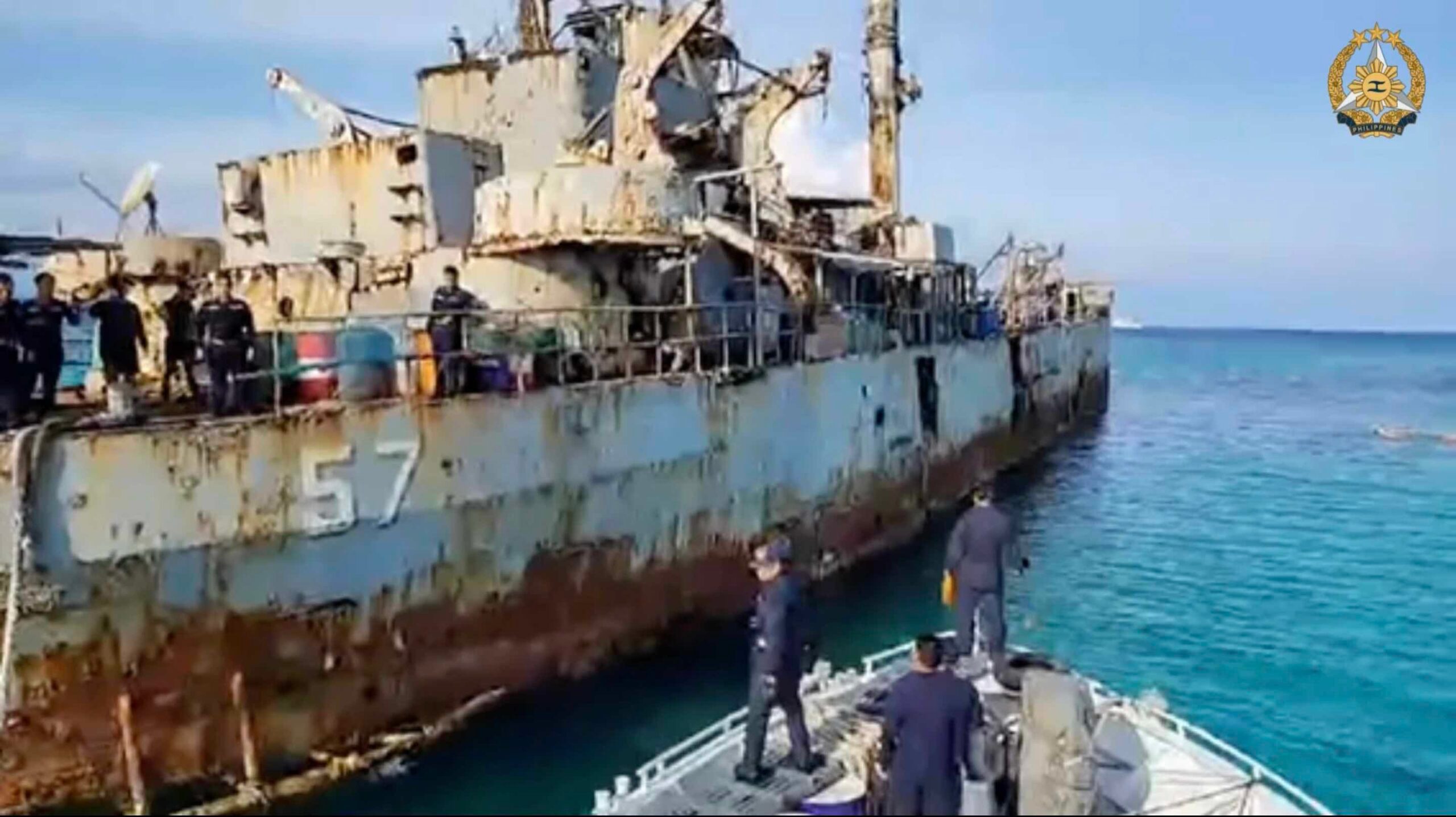
10 Years After Landmark Ruling, PH Faces Crossroads in South China Sea Strategy
Ten years after the landmark 2016 Arbitral Award invalidated China's sweeping South China Sea claims, the Philippines faces ongoing challenges with Beijing's refusal to recognize the ruling and the need to assert its Exclusive Economic Zone rights. Forums in Manila discussed future strategies.
This article requires PRO
This article is outside the free access window or is a special report. PRO unlocks it and the full archive.
Related articles
- DOJ Forms Maritime Unit to Uphold 2016 South China Sea Arbitral Ruling
The Philippine Department of Justice (DOJ) has established a dedicated unit to sustain and promote the 2016 South China Sea arbitral ruling. This unit will consolidate legal expertise on the ruling and support the government's assertion of its rights.
- Philippines, 13 allies reaffirm 2016 South China Sea ruling's binding force
The Philippines and 13 allied nations, including Australia, Canada, Japan, and the US, jointly reaffirmed the 2016 South China Sea arbitral ruling as "final and legally binding." Amid China's continued claims, the international community urged peaceful resolution and adherence to UNCLOS.
- DND Vows to Uphold 2016 Ruling, Bolstering Rights Defense in West Philippine Sea
The Philippines' Department of National Defense has pledged to continue enforcing the 2016 arbitral ruling and defend its territorial integrity, positioning itself as a "hub" for nations upholding international law and deepening partnerships.
- EU Urges Full Implementation of 2016 South China Sea Arbitral Ruling
The European Union (EU) reiterated its strong call for the full implementation of the 2016 South China Sea arbitral ruling, marking its 10th anniversary. The EU emphasized that the ruling, based on the UN Convention on the Law of the Sea (UNCLOS), is 'final and legally binding' and stressed the importance of protecting freedom of navigation and overflight for regional stability.