Manila river settlers fight for liveable housing
Society
2026年7月11日
5
Rappler Philippines

Manila river settlers fight for liveable housing

AI サマリー

Residents of an informal settlement along the San Juan River in Doña Imelda, Quezon City, have been fighting for years for better housing amidst recurring flood threats. They aim to secure land tenure and develop sustainable housing designs tailored to their community's needs.

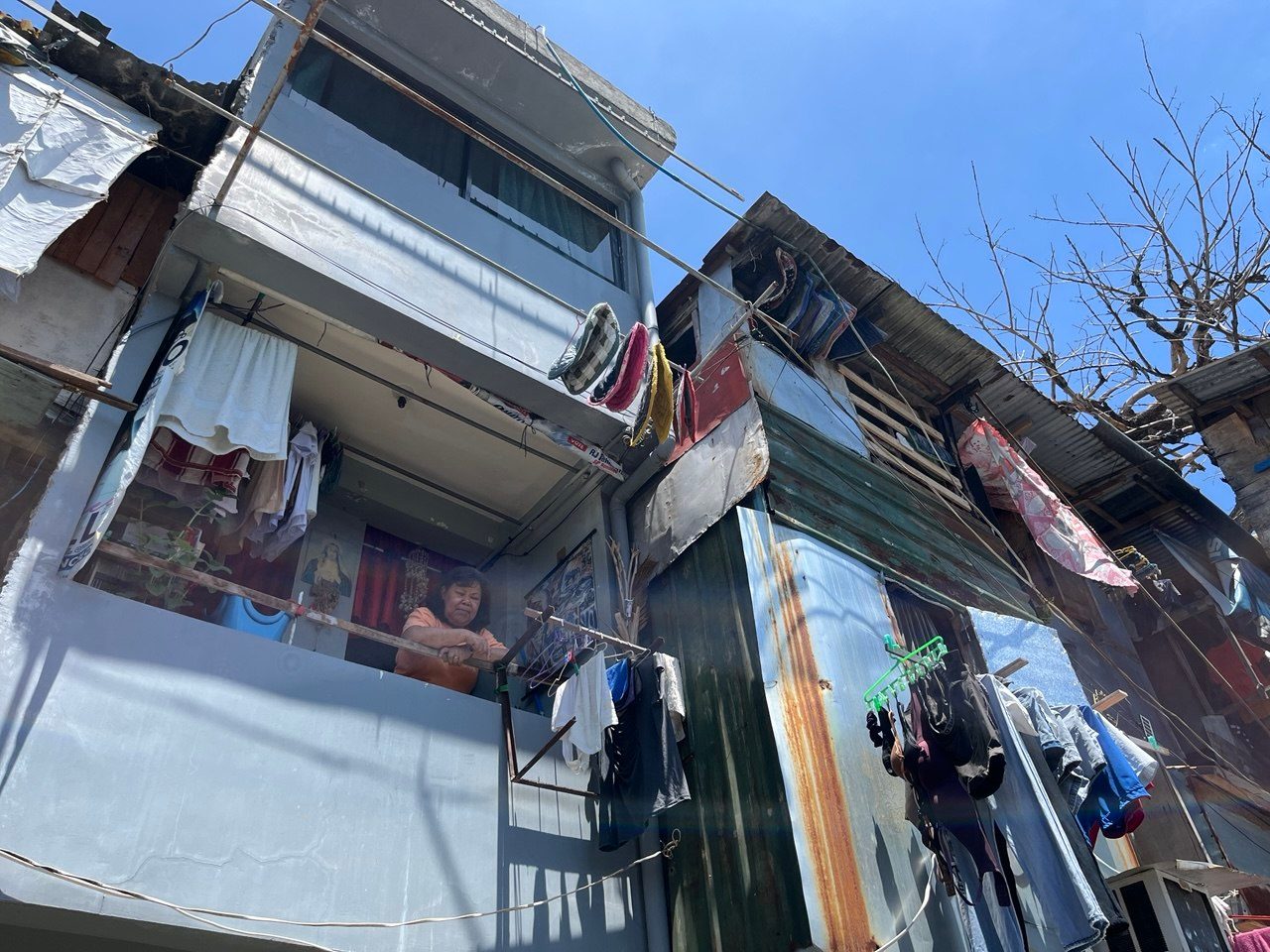
MANILA, Philippines – Many houses in Doña Imelda sprawl upward. An informal settlement had grown along the left bank of the San Juan River. To protect themselves from recurring floods, people built upper levels in their homes. Parts of the sheet pile separating their homes from the river have broken down. Ricky Calinaya, 52, said that for 16 years, residents living near the river had fought for permanent housing. Years of organizing led to a recent victory. In 2025, holding firm Gregorio Araneta Incorporated donated the parcel of land where they live to the Quezon City government. They are now urging the city government to pass the ordinance that would reclassify the property from open space to residential use. They have faced demolition threats in the past: during Typhoon Ondoy in 2009 and in the following years, when the late environmental advocate Gina Lopez led the now-defunct Pasig River Rehabilitation Commission, which cleared informal settlements along esteros. Calinaya is president of ULAP (Ugnayang Lakas ng mga Apektadong Pamilya), an urban poor group that advocates for decent housing in Doña Imelda, Quezon City. “Kami naman ay nangangarap naman kami ng mas maayos na tirahan,” Calinaya told Rappler. “Nangangarap kami ng mapayapa, maayos.” (We dream for decent housing. We dream for peace and order.) Calinaya and the residents are working with non-governmental organizations Community Organizers’ Multiversity, TAO Pilipinas, and UP Task Force Arki – a student organization based in the University of the Philippines-Diliman – to design the housing they want. Calinaya said he moved here in 1994. Galvanized sheets and worn out plywood plaster the walls of the vertical houses. Freshly laundered clothes lined up to dry from the second floor overhang. Waste had built up between the sheet pile and houses on stilts, floating on idle water or strewn across a narrow pathway. Their settlement is near Aurora Boulevard, and a bit farther away, G. Araneta Avenue and Quezon Avenue. They have been offered to be relocated in Bulacan, said Calinaya. But their location in the most populous and largest city in the Philippines remains more accessible and convenient for them. Calinaya said delivery of welfare programs in Quezon City have improved since these were digitized. “Kaya kami ilalaban na lang namin ito hangga’t kayang ilaban,” said Calinaya. (That’s why we are fighting to stay here as long as we can.) Community work through the years Arlene Lusterio, architect and executive director of TAO Pilipinas, said they have been working with the Doña Imelda community since 2011. Their work is mainly focused on making an alternative plan or “people’s plan” through a process that involves the residents. “Normally, consultations generate several plan and design alternatives,” Lusterio told Rappler through email. “Then the community selects the best option and we move forward to finalize the design.” Lusterio described the process as a “continuing negotiation” and that the design may evolve when they incorporate the comments of the city government once it is presented. While NGOs are helping the residents to design the housing they want, Calinaya said they are eyeing partnering with the Quezon City government or the Department of Human Settlements and Urban Development for funding. According to Calinaya, residents want a loft-type housing project that can accommodate growing families. For their community needs, the estimated 616 families are seeking a small chapel, a daycare center for children, a multipurpose hall and a basketball court. The government has outlined standards for economic and socialized housing through Batas Pambansa No. 220. The law defines economic and socialized housing as “a type of housing project provided to moderately low income families with lower interest rates and longer amortization periods.” The basic needs in settlements enumerated are utilities and infrastructure that make a good environment: water, movement and circulation, storm drainage, solid and liquid waste disposal, park or playground, and power. The idea is that personal and community growth should be made possible even for the urban poor – a sector in the margins of big cities, pummeled by high commodity prices and low wages. Staying put In-city housing projects for informal settlers along waterways is one way of responding to the issues of Pasig River pollution and urban sprawl. Earlier this year, Quezon City and the DHSUD agreed to undertake two housing projects for at least 2,900 individuals living along waterways or in danger zones. But many residents in the river settlement in Doña Imelda want to stay put. Offers to relocate do not quite satisfy some residents who have put down roots in the largest city in the country. Kami naman ay nangangarap naman kami ng mas maayos na tirahan. Nangangarap kami ng mapayapa, maayos. ricky calinya To escape recurring floods, residents have adapted by building their houses upward. One of their requests for the design is an open ground floor so that no unit is reached by floodwaters whenever there is heavy rain. It will be a long time before their dream of socialized housing becomes a reality, with the design and consultations still ongoing and residents waiting for the local government’s ordinance. But residents have remained patient. It is a process they are willing to see through to achieve the best results possible. “Kung gagawa ka lang din naman ng permanenteng housing, gawin na natin maayos,” said Calinaya. “Gagastusan din naman ang gobyerno ‘yun. Kung gagastos ka, ‘yung pang matagalan na.” (If you’re building permanent housing, do it properly. That will be financed by the government. If you’re spending funds, it’s better to make something that is durable.) – Rappler.com

多角的分析

経済的影響

このニュースは、フィリピンにおける都市貧困層の住宅問題の深刻さを浮き彫りにしている。非公式居住区の住民は、低賃金と物価高騰に苦しみながらも、生活の基盤を維持しようとしている。土地所有権の不安定さは、彼らの経済的自立を阻害する要因となっている。政府による住宅政策は、法的基準(Batas Pambansa No. 220)を定めているものの、その実施と、住民の具体的なニーズへの対応には依然として課題が多い。NGOとの連携による「住民計画」は、持続可能な解決策を見出すための重要なステップだが、財政的な支援が不可欠である。

投資家心理

このニュースは、フィリピンの不動産開発や都市インフラ投資における社会的な側面とリスクを示唆している。非公式居住区の定住化や再開発は、長期的な視点での土地利用計画と、地域社会との合意形成が不可欠であることを示している。投資家にとっては、こうした社会的な課題への配慮が、プロジェクトの円滑な進行と企業イメージに影響を与える可能性がある。特に、地理的に利便性の高い都市部での土地開発においては、住民の権利と生活再建への配慮が、潜在的なリスク回避策となり得る。

社会的影響

ケソン市ドニャ・イメルダ地区の住民は、サンフアン川沿いの非公式居住区で、長年にわたり洪水の脅威と隣り合わせの生活を送ってきた。家屋を高く増築し、シートパイルの破損に耐えながらも、彼らはこの土地への愛着と生活の維持を諦めない。NGOの支援を受けながら、自分たちの手で住居を設計し、地域社会のニーズ(礼拝堂、保育所など)を満たす計画を進めている。移転先の候補地は提示されているものの、長年築き上げてきたコミュニティや、都市部での利便性を手放したくないという強い意志がある。彼らは、単なる住居の提供だけでなく、尊厳ある生活とコミュニティの維持を求めている。

市民の声

マニラ首都圏の住民、特に非公式居住区に住む人々は、洪水の被害や、劣悪な住環境に常に直面しています。ドニャ・イメルダ地区の住民は、土地の権利を求めて長年運動を続けてきました。彼らは、自分たちの手で設計した、より安全で、家族が増えても住み続けられる家を望んでいます。移転の話もありますが、長年住んできた場所を離れることに抵抗を感じています。政府やNGOの支援を受けながら、自分たちの生活を守るために粘り強く交渉を続けており、より良い未来のために、諦めずに戦い続ける姿勢を示しています。

背景・歴史的文脈

フィリピンでは、急速な都市化と人口増加に伴い、非公式居住区が拡大し続けている。特にマニラ首都圏では、土地所有権の不明確さや、低所得者層向けの住宅不足が深刻な問題となっている。過去には、河川敷や危険区域からの強制立ち退きが繰り返されてきたが、住民の抵抗や、代替住居の不足から、問題の根本的な解決には至っていない。近年、政府は「イン・シティ・ハウジング」政策を推進し、都市内での住居提供を目指しているが、ドニャ・イメルダ地区のような事例では、住民の意向と行政の計画との間で、依然として調整が必要な状況が続いている。

原文ソース

Rappler Philippines

原文を読む