Vietnam Seeks to Boost Drowning Prevention Through Enhanced Swimming Education Amid Rising Risks
Only 41% of Vietnamese students can swim, with drowning a leading cause of child mortality. The government proposes integrating swimming into the curriculum, aiming for sustainable funding and infrastructure development to combat rising risks exacerbated by climate change.
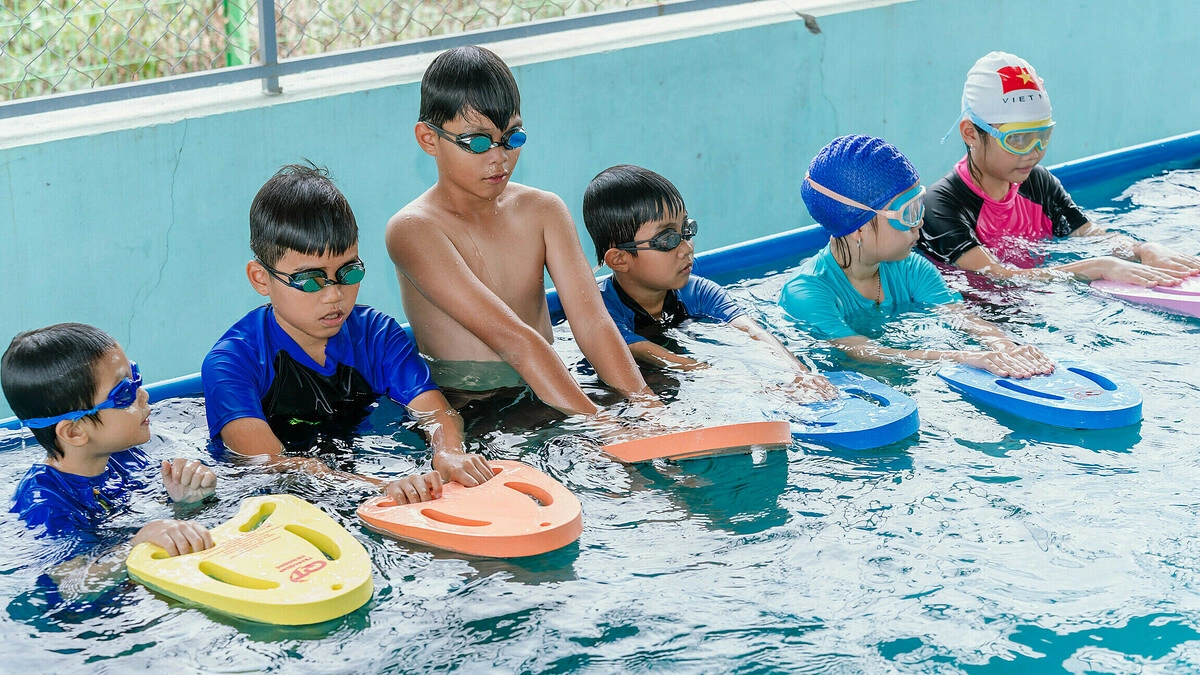
Only about 41% of students in Vietnam can swim, and drowning remains a leading cause of death among children. The government is exploring measures to integrate swimming education into the regular curriculum to address this critical issue. At an inter-sectoral workshop on child drowning prevention held on July 10, Deputy Minister of Health Nguyen Tri Thuc stated that drowning claims over 4,700 lives annually nationwide, with nearly 2,000 of these being children. Vietnam's extensive network of rivers and long coastline, coupled with the increasing frequency of climate change impacts and natural disasters, amplifies the risk of drowning incidents. The primary reasons for child drowning are identified as limited awareness among families, communities, and society regarding the issue. Many children lack swimming skills and water safety knowledge, failing to recognize the dangers of swimming or playing near rivers. Furthermore, many localities face a shortage of facilities and qualified swimming instructors. The proportion of schools offering swimming lessons remains very low, with a scarcity of pools and equipment. Data from 34 Departments of Education and Training reveals that as of June 15, only 2,919 out of 25,090 schools nationwide (approximately 12%) have swimming pools. The rate of students who can swim stands at 41%, yet each school averages only 0.57 certified swimming instructors. Representatives from the Ministry of Education and Training highlighted that the biggest constraint is the lack of funding for infrastructure development and socialized resources, particularly in remote and rural areas. Experts at the workshop noted that current swimming instruction often relies on short-term programs and projects, failing to achieve sustainable results. Associate Professor Dr. Pham Viet Cuong from the Research Center for Policy and Injury Prevention, Hanoi University of Public Health, pointed out that children's safe swimming skills can diminish by nearly 50% within six months if not practiced regularly. He proposed integrating "safe swimming" into the core curriculum with clear learning outcomes, such as swimming 25 meters continuously and being able to float or tread water for 90 seconds. He also emphasized the need for consistent funding from local budgets, the development of mobile and smart swimming pools, and mechanisms for schools to share pool facilities to expand swimming opportunities, especially in remote areas and flood-prone regions. Echoing this sentiment, Ms. Doan Thi Thu Huyen, Country Director of Campaign For Tobacco-Free Kids, commented that extreme weather and natural disasters are increasing drowning risks, particularly in rural areas. She suggested integrating drowning prevention goals into local development plans, establishing unified standards for safe swimming instruction, and investing sustainably in facilities and teaching staff. She also advocated for monitoring and evaluating children's skill retention after training, rather than just counting participation numbers. Ms. Meheret Melles-Brewer, the Healthy Environments and Lifestyles team lead at the World Health Organization (WHO) Representative Office in Vietnam, stated that climate change, floods, and urbanization are escalating drowning risks. Therefore, she urged the integration of this issue into national strategies for disaster risk reduction and climate change adaptation. The WHO pledged to continue supporting Vietnam in refining policies, enhancing capacity, and promoting sustainable investment in drowning prevention efforts.
多角的分析
水難事故防止のための水泳教育強化は、長期的に見て人的資本の損失を減らし、経済活動への影響を最小限に抑えるための重要な投資である。短期的には、プール建設や指導者養成に初期投資が必要となるが、これはインフラ整備や雇用創ちにも繋がる。特に地方部での施設不足は、地域経済の活性化という観点からも解消が望まれる。水泳能力の向上は、レクリエーション産業の発展や、将来的な水産業・海洋関連産業における安全確保にも貢献する可能性がある。
水泳教育の正規課程への導入は、教育関連サービス、建設業、フィットネス産業など、関連分野への新たな投資機会を生み出す可能性がある。特に、移動式プールやスマートプールといった革新的なソリューションを提供する企業にとっては、市場拡大のチャンスとなる。しかし、地方部での財政的制約や、教育カリキュラムへの組み込みにおける行政手続きの遅延は、投資回収のリスク要因となりうる。持続的な財政支援と明確な政策ロードマップが、投資家にとって重要となるだろう。
水難事故の防止は、子供たちの生命を守るという最も基本的な社会課題である。41%という低い水泳能力率は、多くの家庭にとって深刻な不安材料となっている。特に、地理的条件や経済的理由から水泳を学ぶ機会が限られる地方の子供たちや、気候変動による洪水リスクが高い地域に住む子供たちは、より脆弱な立場に置かれている。水泳教育の普及は、子供たちの安全だけでなく、地域社会全体の防災意識向上にも寄与する。また、親世代の安全意識の向上も期待される。
水難事故の防止は、ベトナムの多くの家庭、特に子供を持つ家庭にとって喫緊の課題である。毎年数千人もの子供が水難事故で亡くなるという事実は、親たちに深い悲しみと不安を与えている。全国で41%しか泳げないという現状は、多くの子供たちが危険にさらされていることを示唆している。地方部では、プールや指導者の不足が深刻であり、子供たちが安全に泳ぎを学ぶ機会が限られている。気候変動による洪水リスクの増加は、この問題をさらに悪化させている。水泳を正規教育に組み込むという提案は、子供たちの安全を確保するための重要な一歩であり、親たちはこの取り組みが効果的に実施されることを強く望んでいる。また、親自身も子供たちの安全のために、水辺での注意喚起や安全教育の重要性を再認識する必要がある。
背景・歴史的文脈
ベトナムでは、国土の形状(長い海岸線、多数の河川)と気候変動による洪水リスクの高さから、水難事故は長年にわたり深刻な社会問題となっている。特に子供の死亡原因の上位を占める状況は、国民の安全保障上の課題として認識されてきた。過去には、短期的なプロジェクトやキャンペーンによる水泳教室の開催が見られたが、持続的な効果には至らなかった。2017年には、首相が水難事故防止に関する指示を出し、関係省庁による対策強化が図られてきたが、施設不足や財源確保、指導者の質といった構造的な課題が依然として残っている。今回の提案は、こうした背景を踏まえ、水泳教育を正規教育課程に恒久的に組み込むことで、より根本的な解決を目指す動きである。
原文ソース
VnExpress