General articles are free for 24 hours after publish.
Vietnam Maintains Economic Momentum Amidst Exchange Rate Fluctuations
The Vietnamese Dong saw a slight increase at the week's start, remaining within its +/-5% fluctuation band. Meanwhile, diverse initiatives are advancing economic growth, including the EVFTA, new-generation FTAs, infrastructure investments, and digital technology adoption.
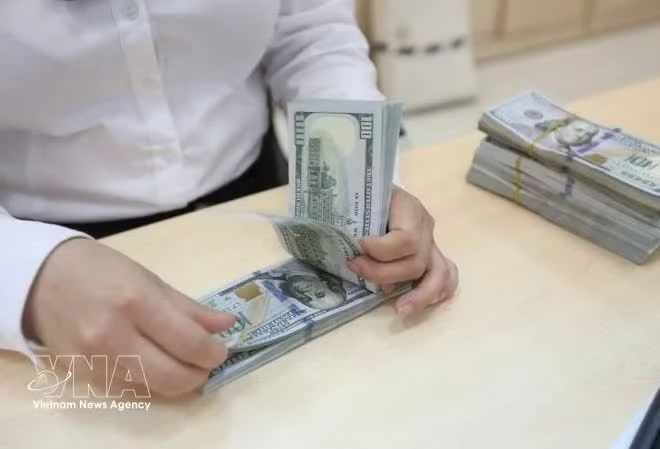
The Vietnamese Dong (VND) saw a slight appreciation of 20 VND against the US Dollar at the beginning of the week. The ceiling rate applicable for commercial banks during the day stands at 26,605 VND/USD, with the floor rate at 24,071 VND/USD, within the current trading band of +/- 5%. This fluctuation within the established band reflects the dynamic interplay of domestic economic factors and global market influences. The EU-Vietnam Free Trade Agreement (EVFTA) continues to be a cornerstone of economic integration. Nearly half of all EU-Vietnam trade over the past three decades has occurred under the EVFTA, highlighting the rapid acceleration of economic ties once market access barriers were removed, according to EuroCham Chairman Bruno Jaspaert. This underscores the significant impact of the EVFTA in boosting bilateral trade and investment. Infrastructure development remains a key focus for sustaining economic momentum. The Airports Corporation of Vietnam (ACV) reports that construction of passenger terminals has reached nearly 70% of the total contract value, with civil works alone nearing 80% completion. Furthermore, LSP, a subsidiary of Thailand’s SCG Chemicals, is investing an additional USD 500 million to integrate ethane into its feedstock portfolio, building upon its initial foreign direct investment (FDI) of over USD 5 billion in one of Vietnam’s largest projects. This expansion signals continued confidence in Vietnam's industrial sector. Vietnam is also embracing renewable energy solutions as part of its commitment to sustainable development. Nearly 20% of hotels in Cua Lo ward have installed rooftop solar systems, contributing to reduced electricity costs and easing pressure on the power supply during peak months. This initiative aligns with national efforts to diversify energy sources and enhance energy security. The nation is striving to achieve its ambitious target of 2 million active enterprises by 2030. This goal, as noted, necessitates the creation of robust institutions, funding channels, and support systems tailored to businesses at various stages of development. Success in this endeavor would signify the emergence of a more resilient and dynamic engine of economic growth. In terms of international cooperation, Vietnam is actively strengthening its partnerships. The country is fostering potential for increased investment and trade with the Czech Republic, particularly involving Da Nang city. Furthermore, financial cooperation with the Netherlands is being enhanced, opening new avenues in key sectors such as finance, technology, and innovation, thereby contributing to the comprehensive partnership. In the agricultural sector, agro-forestry-fishery exports reached USD 36 billion in the first half of 2026, marking a 6% year-on-year increase. While the overall growth rate falls below the government's double-digit target, specific products like coffee have demonstrated strong export performance and significant potential. A recent report by the European Commission highlighted that imports from Vietnam climbed 9%, driven by robust coffee exports, positioning Vietnam as a notable exception alongside Argentina in the EC's latest agri-food trade report. Vietnam's strategic move up the value chain is attracting high-quality investment from Asia, indicating resilience in its foreign direct investment (FDI) landscape despite shifts in its composition. This trend, as reported by The Business Times of Singapore, suggests Vietnam's growing appeal as a manufacturing and innovation hub. Source: VietnamPlus English
Original source
VietnamPlus English