Post-Meal Walks: Health Impacts Explained by Experts
Technology
2026年7月16日
3
VnExpress
Relations
🇻🇳Vietnam🇹🇭Thailand

Post-Meal Walks: Health Impacts Explained by Experts

AI サマリー

Engaging in strenuous activity immediately after eating can negatively impact digestion and cardiovascular health. Experts recommend light walks or exercise 1-2 hours after meals.

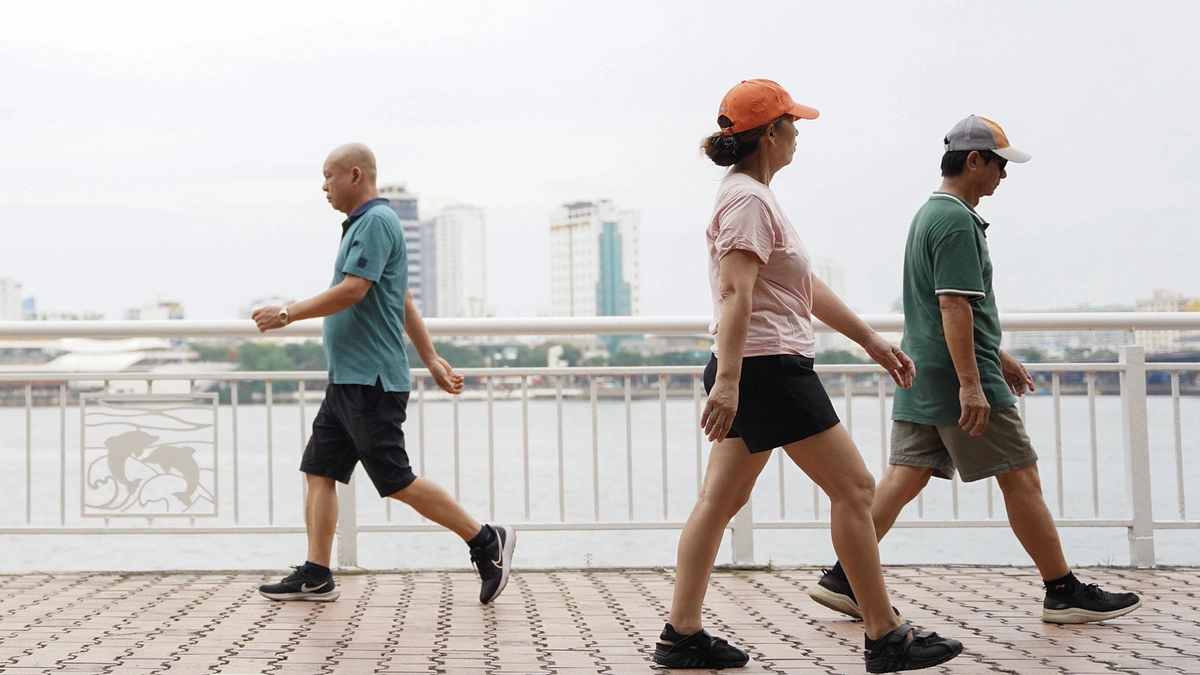
Engaging in strenuous activity immediately after eating can negatively impact digestion and cardiovascular health. Experts recommend light walks or exercise 1-2 hours after meals. Many people have a habit of exercising right after finishing their meals, hoping to "digest" faster, boost metabolism, and feel lighter. However, from a physiological and medical perspective, this habit can be a double-edged sword. While exercising immediately after a meal might offer certain metabolic benefits, it carries significant risks to the digestive system if done incorrectly, particularly with brisk walking or high-intensity training. According to Dr. Châu Thị Anh, Head of the Nutrition Department at Xuyên Á General Hospital in Ho Chi Minh City, the biggest mistake many people make is forcing their bodies to exercise vigorously when they are still full. At this point, the body naturally prioritizes sending blood to the stomach and intestines to aid digestion. If one starts brisk walking or exercising immediately, blood flow must be diverted to the muscles as well. Consequently, the digestive process is delayed, leading to bloating, indigestion, and an increased risk of gastroesophageal reflux with uncomfortable symptoms like burping and heartburn. Beyond the digestive system, this habit also negatively affects the musculoskeletal and cardiovascular systems. Since internal organs are prioritized for blood and oxygen to process food, muscles do not receive optimal energy. This reduces exercise efficiency, causes rapid fatigue, and increases the likelihood of muscle cramps. The heart must then work twice as hard to supply blood to both competing systems. For the elderly or those with underlying heart conditions, this strain can lead to fatigue, palpitations, or dangerous shortness of breath. While brisk walking right after eating is detrimental, replacing it with a light stroll offers significant health benefits. When walking slowly, active muscles immediately consume the glucose absorbed into the bloodstream from the meal, without requiring excessive insulin intervention. This mechanism helps flatten blood sugar curves, which is extremely beneficial for the elderly in preventing and managing pre-diabetes or type 2 diabetes. Therefore, doctors emphasize the need for people to clearly distinguish between "relaxing strolls" and "exercise walks." A stroll is considered beneficial if you walk slowly, breathe normally, can converse comfortably, and do not sweat. Conversely, an exercise walk with quick strides, strong arm movements, elevated heart rate, and rapid breathing can be harmful if performed immediately after a meal. To maximize blood sugar control benefits without harming the stomach, strictly adhering to the principles of timing and intensity is mandatory. Specifically, immediately after a full meal, one should only sit and relax or take very light walks around the house to clear dishes, and absolutely avoid lying down to prevent reflux. About 15 to 30 minutes after eating is a suitable time for a gentle 10-15 minute walk to regulate blood sugar. For actual exercises like brisk walking, running, or cycling, it is best to wait 1 to 2 hours after the meal. This is the ideal time as most food has been digested and moved from the stomach to the small intestine. "The advice to walk to aid digestion is only correct for extremely slow strolls. If you intend to exercise seriously for health, let your stomach have at least an hour to complete its task," advises Dr. Châu Thị Anh.

多角的分析

経済的影響

食後すぐの運動に関する健康指導は、直接的な経済的影響は小さいが、国民の健康維持に寄与することで長期的な医療費抑制や労働生産性の向上につながる可能性がある。特に、糖尿病や消化器疾患の予防は、個人の医療負担軽減だけでなく、社会全体の医療資源の効率化にも貢献しうる。

投資家心理

このニュースは直接的な投資機会を示すものではないが、健康意識の高まりを反映している。健康関連サービスやフィットネス産業への関心が高まる可能性があり、投資家は健康増進を支援する製品やサービスを提供する企業に注目するかもしれない。

社会的影響

食後すぐの激しい運動を避けるべきというアドバイスは、多くのベトナム国民の日常生活習慣に関わる。特に、食後すぐに体を動かすことで健康を維持しようとする高齢者や、早食い・早歩きを習慣とする人々に影響がある。また、運動を習慣化したい若年層にとっても、適切なタイミングと強度を知ることは重要である。この指導は、家族の健康管理や、健康的なライフスタイルの普及という社会的な課題にも関連している。

市民の声

多くのベトナム市民、特に高齢者は、食後すぐに歩くことで消化を助け、健康を維持しようとする習慣がある。しかし、この習慣が逆効果になる可能性があるという専門家の指摘は、彼らの健康管理に対する認識を変える必要があることを示唆している。一方で、健康的なライフスタイルを求める若年層は、この情報から適切な運動方法を学び、実践することが期待される。

背景・歴史的文脈

ベトナムでは、伝統的に食後の軽い運動が健康に良いとされてきた。特に、消化を助け、体を軽くするために、食後すぐに散歩する習慣が見られる。しかし、医学的な観点からは、食後すぐに激しい運動をすると、消化器官への血流が減少し、消化不良や胃食道逆流症のリスクを高めることが指摘されている。また、心臓や筋骨格系への負担も増大する。一方で、ゆっくりとした散歩は血糖値の安定に寄与し、健康に有益であるため、運動の強度とタイミングの区別が重要視されている。

原文ソース

VnExpress

原文を読む