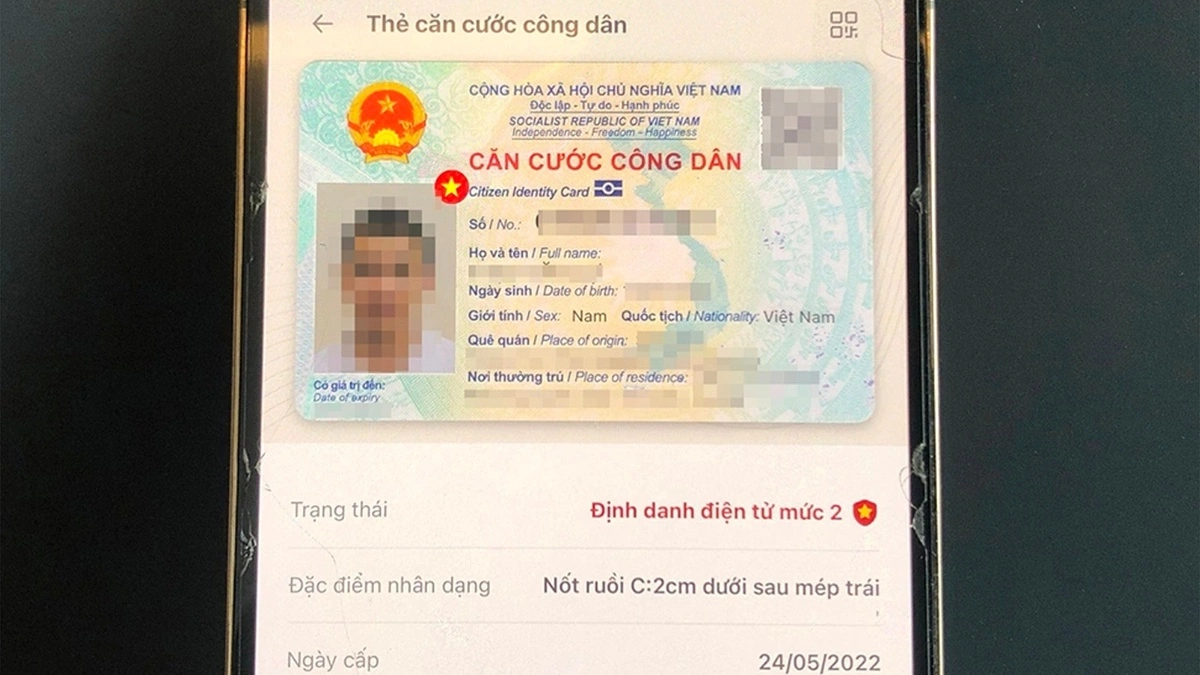
Vietnam Bans Mandatory Presentation of Physical ID Cards if Integrated into VNeID from July 1
Effective July 1, 2024, Vietnam will legally prohibit the requirement for citizens to present physical identification documents for administrative procedures and public services if their information is already integrated into the VNeID electronic ID application. This change aims to enhance citizen convenience and streamline administrative processes.
Effective July 1, 2024, Vietnam will prohibit requiring citizens to present physical identification documents for administrative procedures and public services if their information is already integrated into the VNeID electronic identification application. This provision is part of a law amending several articles of 10 laws related to security and order, which introduces new regulations concerning identification cards. Specifically, the law prohibits demanding citizens present identification documents integrated into VNeID for administrative procedures. An exception is made if the information provided by the citizen is inconsistent with the integrated data. Therefore, from July 1, individuals, agencies, and organizations are strictly forbidden from requesting citizens to present their identification cards if they have been integrated into VNeID when processing administrative procedures. The new law upholds the previously prohibited nine acts related to identification cards, such as unlawful retention, causing inconvenience or discrimination during administrative procedures, and intentionally altering the content of identification cards. The new law stipulates that if a citizen presents their electronic identification, the competent authority cannot ask them to present documents or provide information that has already been integrated into the electronic identification. The issuance, renewal, and re-issuance of identification cards will be conducted online via the public service portal, VNeID, or in person at the designated application sites. The identification management agency will use the most recently collected facial images, fingerprints, and iris scans, along with existing information, for re-issuance. Previously, district-level police handled the issuance, renewal, and re-issuance of identification cards. However, this will now be handled by the identification management agencies of provincial and city police departments, as well as commune/ward police and special administrative units, and the Ministry of Public Security's identification management agency. District-level procedures will be abolished. Currently, in the field of identification card issuance and management, the Ministry of Public Security has already abolished numerous procedures at the ministerial and provincial levels related to the collection and updating of biometric data such as DNA and voice into the identification database. Procedures for collecting and updating voice biometric information, integrating, updating, and adjusting information on identification cards, as well as procedures for individuals of Vietnamese origin whose nationality is undetermined, have also been abolished. In the area of electronic identification and authentication, the Ministry of Public Security has abolished procedures for issuing electronic identification accounts at the ministerial and provincial levels for foreigners, Vietnamese citizens, and organizations. Abolished procedures include the issuance of level 1 and level 2 electronic identification accounts for foreigners; level 2 electronic identification accounts and electronic identification cards for Vietnamese citizens; and electronic identification accounts for organizations. Source: VnExpress
多角的分析
この法律改正は、行政手続きのデジタル化と効率化を加速させるベトナム政府の広範な取り組みの一環である。VNeIDへの情報統合は、政府が国民のデジタルID基盤を強化し、行政サービスの提供をより迅速かつ効率的に行うための重要なステップである。これにより、紙ベースの書類のやり取りが減少し、行政コストの削減につながる可能性がある。また、個人情報の管理とアクセスがデジタル化されることで、データに基づいた政策立案やサービス改善の基盤が強化されると考えられる。これは、デジタル経済への移行を推進するベトナムの経済戦略とも合致している。
この法律改正は、ベトナムにおけるデジタル化の進展と行政効率化への期待を高める材料となる。VNeIDのような電子身分証プラットフォームの普及は、金融サービス、eコマース、その他のデジタルサービス分野における投資機会を示唆する。投資家は、これらのデジタルインフラストラクチャや、それらを活用したサービスを提供する企業の成長可能性に注目すべきである。ただし、法改正の完全な施行と、それがもたらす具体的なビジネスへの影響については、引き続き注視する必要がある。
今回の法改正は、ベトナム国民の日常生活における利便性を大きく向上させる。特に、行政手続きで物理的な身分証を常に携帯・提示する必要がなくなることで、煩雑さが軽減される。VNeIDアプリの普及は、特に都市部でスマートフォンの利用率が高い若年層にとって、よりスムーズな行政サービスへのアクセスを可能にする。一方で、デジタルデバイドの問題や、アプリの利用に不慣れな高齢者層への配慮も引き続き重要となる。また、電子化された個人情報のセキュリティとプライバシー保護に対する国民の信頼確保も、社会的な課題として問われるだろう。
今回の法改正により、7月1日以降、行政手続きや公共サービスを受ける際に、物理的な身分証(カード)を提示する必要がなくなります。これは、VNeIDアプリにあなたの情報が既に登録されていれば、ということです。つまり、アプリを開いて電子身分証を見せれば済むようになります。例えば、役所で何か手続きをする際に、わざわざ財布からカードを探し出す手間が省けるようになります。これは、特に忙しい方や、書類の管理が苦手な方にとっては、非常に助かる変更と言えるでしょう。ただし、もしアプリの情報と、あなたが伝えようとしている情報が食い違っている場合は、例外として紙の身分証の提示を求められる可能性もあります。
背景・歴史的文脈
ベトナム政府は、2020年以降、デジタル化と行政改革を国家戦略の重点分野として位置づけている。特に、国民ID( căn cước công dân)と電子身分証アプリ(VNeID)の開発・普及は、行政サービスの効率化、国民の利便性向上、さらには国家のデジタルインフラ強化を目指す重要な施策である。2021年には、国民IDカードのICチップ化が進められ、生体情報(顔、指紋)の登録が義務付けられた。今回の法改正は、これらのデジタルID基盤が一定程度整備されたことを受け、物理的な身分証の提示義務を緩和し、電子身分証の利用を本格化させるための措置と言える。これは、ベトナムの一党体制下における、国民管理と社会統制のデジタル化という側面も持ち合わせている。
原文ソース
VnExpress