Hanoi's 23,000-Dong Pho Shop Stands Firm Against Inflation
Amidst raging inflation in Hanoi, Vietnam, a pho shop offering bowls for an astonishing 23,000 dong (approx. $0.90 USD) is gaining traction. Despite rising costs, this establishment has maintained its value for over two decades through tradition and customer care.
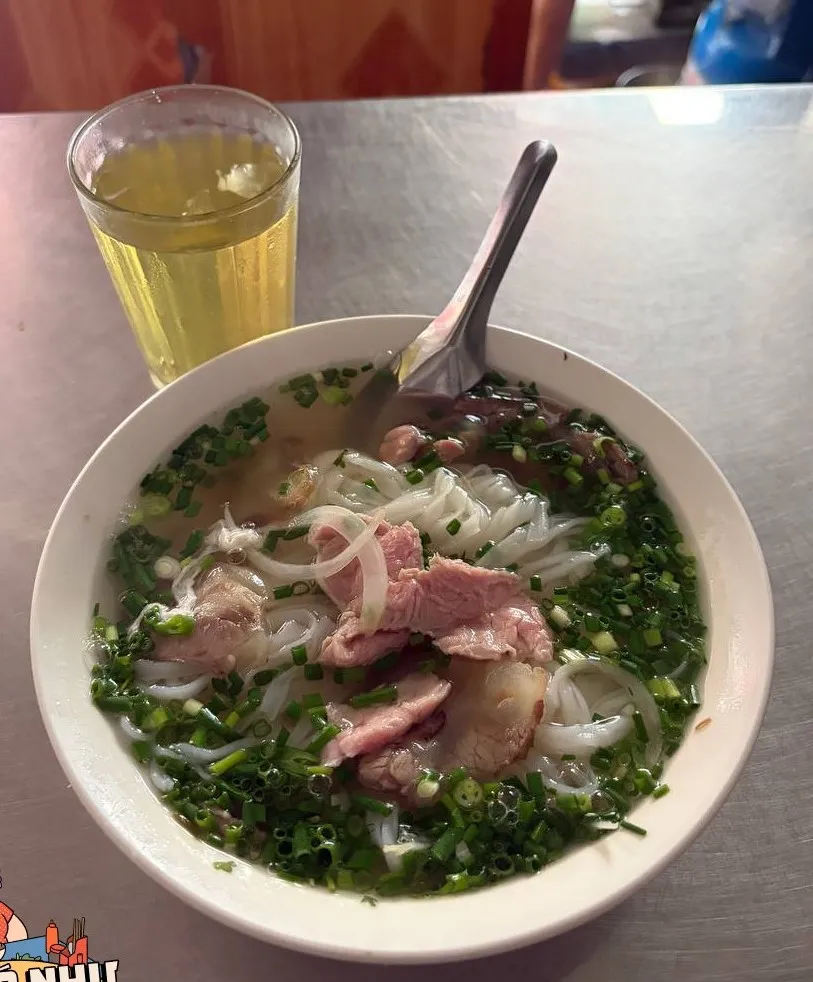
Mention Hanoi Pho, and familiar names instantly come to mind. Icons like Pho Khoi Hoi, Pho Ho Loi, and Pho Bat Dan dominate. Pho Tu Lun, Pho Suong, and Pho Lam also draw massive crowds. Each shop boasts its own recipe and unique flavor. Their dining rooms always buzz with customers. Prices remain quite similar, usually ranging from 50,000 to 80,000 Dong. Some locations even charge nearly 100,000 Dong a bowl. Yet, in mid-2026, soaring costs make price hikes completely inevitable. Despite this economic pressure, a hidden shop in Alley 1 of Kham Thien Street shocks everyone. They serve Pho for just 23,000 Dong. An iced tea costs a mere 2,000 Dong. Kham Thien Street sits close to downtown Hanoi, not in a remote area. This central location makes these low prices incredibly rare. Recently, young people began recommending Tuyet Thuc Pho to one another. They treat this spot like pure gold during this raging price storm. This Pho shop in Alley 1 of Kham Thien Street stuns many with a 23,000-Dong bowl and 2,000-Dong iced tea. That is Tuyet Thuc Pho shop. The shop opened in 2003. Now over 20 years old, it matches the age of many Gen Z youths. According to the owner, a bowl cost just 3,000 to 4,000 Dong in the early days. Prices then crept up to 5,000, 10,000, 15,000, and 20,000 Dong. Around seven years ago, rising electricity costs forced a shift to 23,000 Dong. The price has remained frozen ever since. A weathered space, yet warm like grandparents’ home The shop’s space is simple, yet cozy and neat. Operating right from home, the shop captures the exact atmosphere of a family kitchen. Inside, a few wooden, stainless steel, and plastic tables sit in neat rows. The floor is spotless. The tabletops are thoroughly wiped. On the wall hang a round clock, a TV, and a wooden cabinet holding everything from motorcycle helmets to teddy bears. Nothing here is luxurious or fancy, yet it brings a strangely comforting familiarity. Dining inside, guests feel as if they are sitting in their own grandparents’ home. A 23,000-Dong bowl of Pho remains shockingly hearty I ordered a bowl of rare and flank beef. The beef was fresh and the flank tender, with six to seven slices in total. The bowl came loaded with green onions, white onions, and cilantro. The portion of noodles was surprisingly large, never skimping despite the 23,000-Dong price. The broth is clear and light, never too fatty or greasy. The cook seasons it with a touch of MSG. If you prefer otherwise, you can ask the owner to leave it out. Overall, this easy-to-enjoy soup suits almost any palate. Packed with green onions, white onions, and cilantro, the bowl offers a generous portion of rice noodles. The shop’s fried dough sticks are soft, priced at a mere 5,000 Dong a plate. At first, I thought a 23,000-Dong bowl would just be a novelty. Yet, finishing the entire soup, the fried dough, and the iced tea left me completely full. For just 30,000 Dong, I enjoyed a complete breakfast right in downtown Hanoi. Granted, it is hard to compare this to the 50,000 or 70,000-Dong bowls at famous establishments. However, when weighing the quality, portion size, and price, this is truly an exceptional value. The beef cuts, both the rare and flank, were quite fresh and tender. For over two decades, the shop never needed flashy advertising. It never once appeared on famous food review websites. Even Google Maps holds virtually no information or ratings. Yet, they quietly serve customers every single day without fail. Social media recently exposed the secret, bringing influxes of younger crowds. Still, the shop’s timeless rhythm remains completely unchanged. The owner offers no aggressive welcomes or loud solicitations. She softly takes orders and prepares each bowl with slow, deliberate care. Inside this narrow alley, time seemingly stands still. That 23,000-Dong bowl delivers something far deeper than just a full stomach. Photo: Bich Ngoc/Kenh 14 Subscribe to get the latest posts sent to your email. Type your email… Subscribe
多角的分析
ベトナム経済は近年、目覚ましい成長を遂げているが、その一方でインフレ圧力も増大している。特に、原材料費やエネルギー価格の上昇は、多くの飲食業にとって価格転嫁を避けられない状況に追い込んでいる。このような中で、23,000ドンという低価格を維持できている「テュエットトゥック・フォー」の事例は、コスト管理、仕入れルートの最適化、あるいは利益率を極限まで圧縮する経営戦略を示唆している。ベトナム政府は経済成長と物価安定の両立を目指しており、こうした小規模事業者の経営努力は、国内経済のレジリエンス(回復力)を測る一つの指標となる。
このニュースは、直接的な投資対象というよりは、ベトナムの消費市場の底堅さと、価格感応度の高い層の存在を示唆している。インフレ下でも、質と価格のバランスが取れた商品には根強い需要があることを示している。将来的な投資を考える上で、大手チェーン店だけでなく、このような地域に根差した小規模ビジネスが、いかにして顧客のロイヤルティを獲得し、価格競争力を維持しているのかを理解することは、市場のダイナミクスを把握する上で重要となる。特に、SNSを活用した口コミマーケティングの効果は、低コストでのブランド認知拡大の可能性を示唆している。
ハノイのカムティエン通りにあるこのフォー店は、高騰する物価の中で、手頃な価格で満足感のある食事を提供するという点で、多くの市民、特に若年層や低所得者層にとって希望の光となっている。SNSでの口コミが広がり、連日多くの客が訪れる光景は、デジタル化が進むベトナム社会における情報伝達の速さと、人々の「本物」や「価値」に対する探求心を示している。また、祖父母の家のような温かい雰囲気は、都市化が進む中で失われがちな、人々の心の拠り所となるコミュニティの重要性を浮き彫りにしている。
ハノイ市民、特に物価高に苦しむ層にとって、23,000ドンのフォーはまさに「救世主」です。有名店では手が届かなくなった美味しいフォーを、この店なら手軽に味わえます。SNSで話題になり、週末などは行列ができることもありますが、それでもあの温かい雰囲気と、おばあちゃんの家のような安心感は格別です。最近の物価上昇で、外食を控える人も増えましたが、この店があるおかげで、少しだけ贅沢な気分を味わえます。政府には、このような店が長く続けられるような支援を期待したいです。
背景・歴史的文脈
ベトナムはドイモイ政策以降、市場経済化を進め、目覚ましい経済成長を遂げてきた。しかし、近年の世界的なインフレや、中国経済との結びつきの強さからくる物価変動の影響を受けやすい構造を持つ。特に、食料品やエネルギー価格の上昇は、国民生活に直接的な影響を与える。政府は物価安定策を講じているものの、一党体制下での経済運営は、市場原理とのバランスや、経済成長と社会福祉の調和が常に課題となっている。このフォー店の事例は、こうしたマクロ経済の動向が、個々の国民生活や地域経済にどのように波及しているかを示す一例である。
原文ソース
Vietnam Insider