General articles are free for 24 hours after publish.
BFAR Lifts Shellfish Ban in Biliran Island Amid Red Tide Concerns
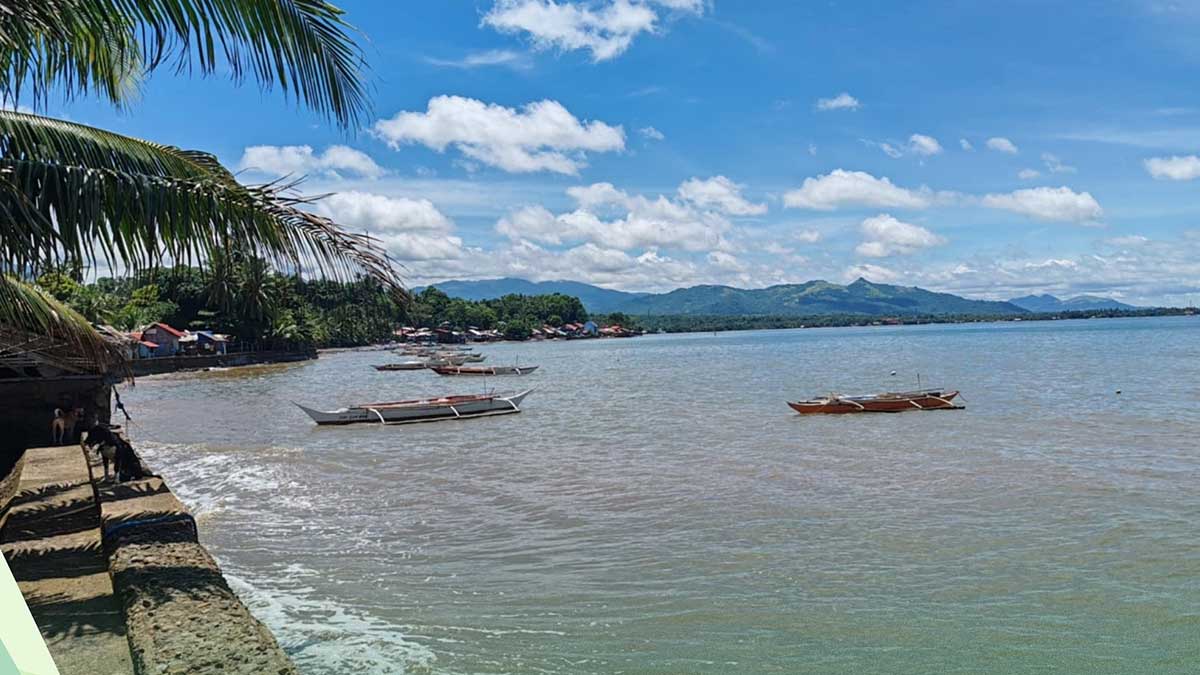
The Bureau of Fisheries and Aquatic Resources (BFAR) has lifted the ban on shellfish harvesting and consumption in Biliran Island after tests confirmed the absence of red tide toxins. However, the ban remains in effect for certain areas in Samar and Leyte.
The Bureau of Fisheries and Aquatic Resources (BFAR) has lifted the ban on shellfish harvesting and consumption in the coastal waters of Biliran Island. According to the latest red tide advisory issued on Friday, September 4, shellfish samples from the area are now safe for human consumption. The advisory stated that all types of shellfish and Acetes sp., locally known as alamang or tiny shrimp, harvested from the waters of Biliran Island are now considered safe for consumption. However, the shellfish ban remains in effect in Matarinao Bay in Eastern Samar, covering the coastal waters of General MacArthur, Quinapondan, Hernani and Salcedo, after shellfish meat samples collected from the area tested positive for red tide toxins. A local red tide advisory also remains in effect in the coastal waters of Leyte, Leyte, where the public has been warned against gathering, selling, buying or eating all types of shellfish and Acetes sp. from the affected area. BFAR advised the public to strictly follow the shellfish bans because shellfish can accumulate toxins produced by certain microscopic marine algae without showing any visible sign of contamination. Red tide is a coastal phenomenon associated with a rapid increase or accumulation of microscopic algae, also known as phytoplankton. Despite its name, the water does not always turn red and may appear brown, green, yellow or milky—or show no visible discoloration at all. Red tide or harmful algal blooms can develop when environmental conditions favor rapid algal growth. These include changes in water temperature, sunlight, salinity and increased nutrient levels in the water. Excess nutrients such as nitrogen and phosphorus can contribute to algal blooms. Some algae produce toxins that can accumulate in filter-feeding shellfish such as mussels, oysters and clams. One of the major health concerns is paralytic shellfish poisoning (PSP), which can cause numbness or tingling around the mouth and extremities, vomiting, dizziness, headache, paralysis and difficulty breathing. Severe cases can be fatal. BFAR also warns that cooking does not eliminate the toxins in contaminated shellfish, and shellfish may remain toxic even when there is no visible red discoloration in the water. Fish, squid, shrimp and crab from areas under shellfish bans may still be consumed provided they are fresh, thoroughly washed and properly prepared, with internal organs such as the intestines and gills removed before cooking, based on BFAR guidance.
Original source
Inquirer NewsInfo