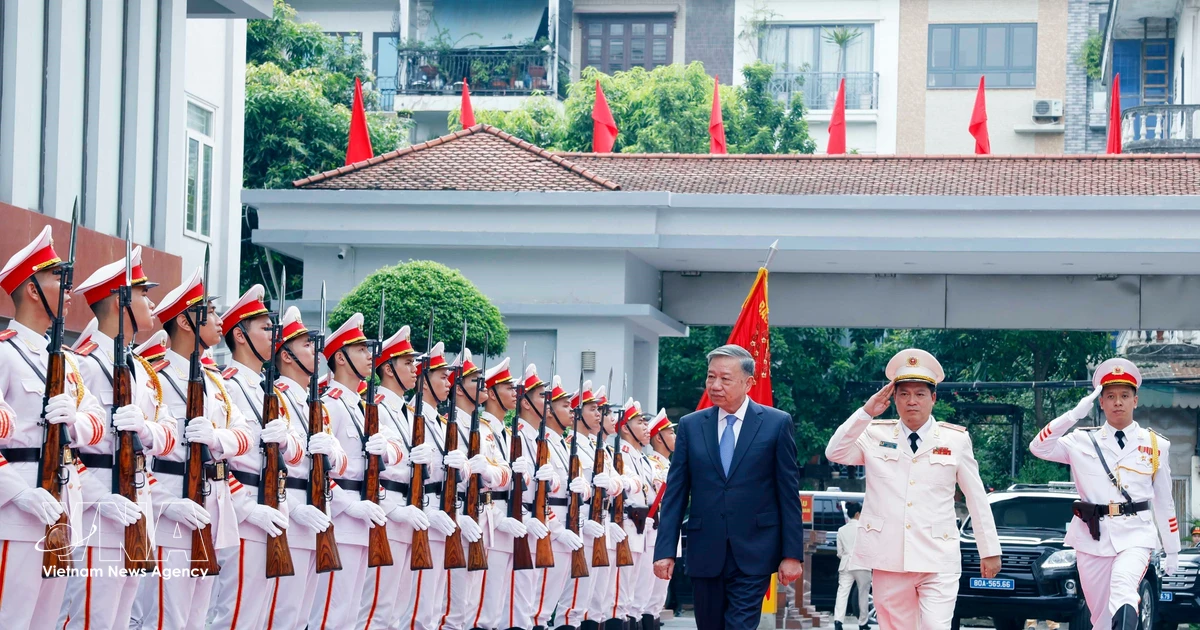
Vietnam Pushes for Modern, Humane Prison Management Police Force
Vietnam's top leadership is strongly pushing for the modernization and humanization of its prison management police force. This initiative is framed within the context of addressing past corruption cases and the nation's overall security strategy, with an eye toward strengthening international cooperation.
Top leaders in Vietnam have urged the promotion of modernization and humanization within the prison management police force. This initiative is being framed as a critical component of the nation's security strategy, with the objective of enhancing the efficiency and transparency of law enforcement bodies. Recent legal proceedings, including the sentencing of a former Minister of Health to six years imprisonment for violations related to the management and use of state assets, highlight the Vietnamese Communist Party's unwavering commitment to combating corruption and misconduct. Domestically, the safeguarding of cyberspace has been identified as a pressing concern, prompting intensified efforts to bolster international collaboration within established global frameworks. On the diplomatic front, Vietnam is actively working to deepen its ties with ASEAN nations and the European Union (EU), while simultaneously reinforcing its Comprehensive Strategic Cooperative Partnership with China. Notably, there is a continued push to ensure the effective execution of the EU-Vietnam Free Trade Agreement (FTA) and the EU-Vietnam Investment Protection Agreement (EVIPA). Concurrently, Vietnam is striving for the prompt withdrawal of the European Commission's "yellow card" warning concerning its seafood exports, a move that underscores its dedication to improving its legal framework and advancing sustainable fisheries management. Moreover, Vietnam has reiterated its commitment to its role as a proactive and responsible member of the global community. Through humanitarian aid and economic diplomacy, the country aims to contribute to regional and international peace and stability. The nation's involvement in disaster relief efforts in locations such as Turkey and Venezuela serves as tangible evidence of this outward-looking engagement. These ongoing developments suggest a strategic direction for Vietnam. While continuing its economic development under a one-party system, the country appears to be increasingly focused on strengthening the rule of law, acknowledging human rights considerations, and fostering international cooperation. The modernization of prison management, in this context, transcends being merely an internal matter; it is a strategic endeavor that also contributes to shaping Vietnam's international perception.
多角的分析
ベトナムは一党体制下で経済成長を最優先課題としてきたが、その成長を持続させるためには、法の支配の確立と透明性の向上が不可欠である。汚職事件への厳格な対応は、国内経済の健全性を保ち、外国からの投資を呼び込む上で重要となる。刑務所管理の近代化は、労働力や社会資源の効率的な管理という観点からも、経済成長を支える基盤整備の一部と捉えられる。
外国投資家にとって、ベトナムの法制度の安定性と予測可能性は極めて重要である。汚職への厳格な姿勢は、ビジネス環境の公平性を高めるシグナルとなり得る。一方で、刑務所管理の近代化や人道化といった社会インフラへの投資は、長期的な社会安定に繋がり、投資リスクを低減させる要因となる可能性がある。EUとの関係強化やEVFTAの履行は、投資環境の改善に直接的に寄与する。
刑務所管理の近代化・人道化は、収容者の処遇改善のみならず、社会全体の更生プログラムの質向上にも繋がる。元保健大臣の有罪判決は、公職者の倫理観と法令遵守の重要性を国民に再認識させる機会となる。また、サイバー空間の安全確保への言及は、デジタル化が進むベトナム社会における新たなリスクへの対応として、市民生活の安全に直結する。
元保健大臣の有罪判決は、政府による汚職撲滅への期待を高める一方で、法執行の公平性に対する市民の関心をさらに引きつけるだろう。刑務所管理の近代化は、収容者の家族にとっても、より人間的な処遇への期待を抱かせる可能性がある。サイバー空間の安全確保は、インターネット利用者の増加に伴い、個人情報保護や情報操作への懸念を持つ市民にとって重要な課題となる。
背景・歴史的文脈
ベトナム共産党は、一党支配体制を維持しながら、経済発展と社会の安定を両立させることを国家運営の基本方針としている。近年、汚職は経済成長の阻害要因として、また社会的不満の温床として厳しく批判されており、党は指導部レベルでの汚職撲滅キャンペーンを強化してきた。元保健大臣への判決は、このキャンペーンの一環であり、公職者の責任を問う姿勢を明確に示している。また、国家安全保障戦略においては、国内の安定に加え、サイバー空間の安全確保や国際社会との協調が重視されており、刑務所管理の近代化・人道化はその全体像の中で位置づけられている。
原文ソース
VietnamPlus English