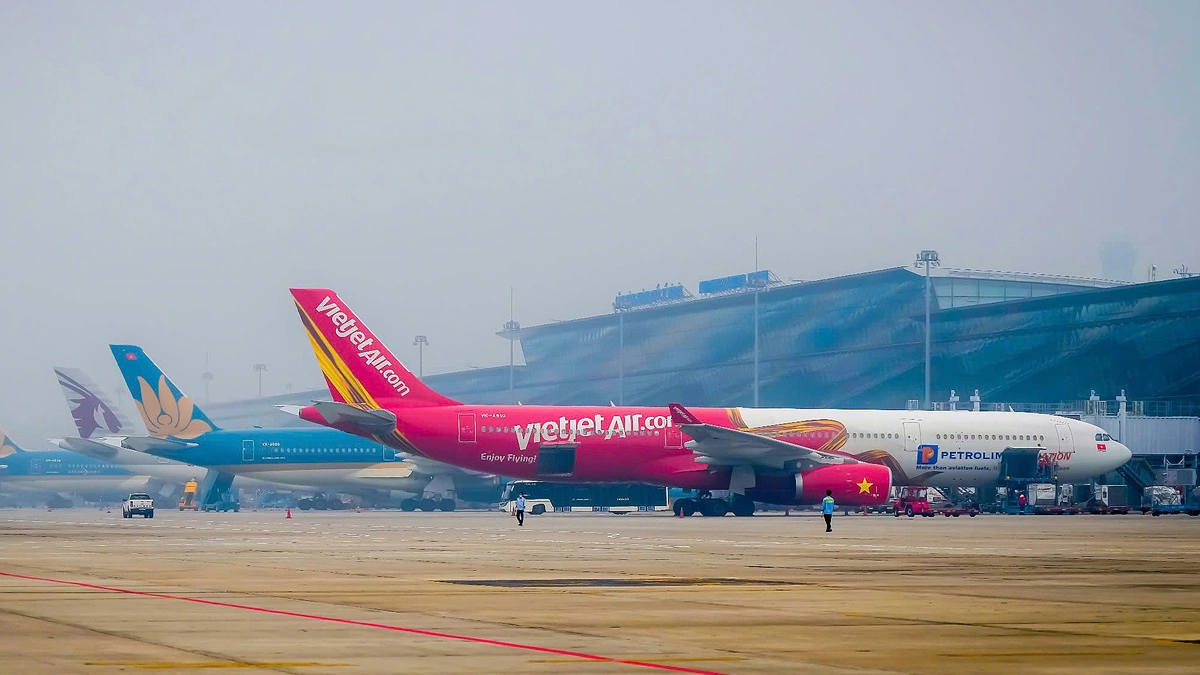
Vietnam Plans 36 Airports by 2030, Investing Over VND 577 Trillion
Infrastructure
2026年7月7日
5
VnExpress

Vietnam Plans 36 Airports by 2030, Investing Over VND 577 Trillion

AI サマリー

Vietnam has announced plans to expand its domestic airport network to 36 by 2030, including new international airports and international conversions. The ambitious plan involves an estimated investment of over VND 577 trillion (approx. USD 23.7 billion) and aims to develop air logistics hubs and aircraft maintenance centers.

Vietnam is set to significantly expand its airport network, aiming to have 36 airports nationwide by 2030, a substantial increase from the current 22. This ambitious infrastructure development plan is designed to bolster the nation's air transport capacity and support its ongoing economic growth. According to the revised National Airport Network Plan for the period 2021-2030, with a vision extending to 2050, the country will feature 19 international airports and 17 domestic airports by 2030. Newly planned international airports include Cao Bang, Gia Binh, Ninh Binh, Van Phong, and Con Dao. Notably, Con Dao Airport will transition from a domestic-only facility to handle international flights. Designated domestic airports comprise Lai Chau, Dien Bien, Sa Pa, Na San, Bach Long Vi, Dong Hoi, Quang Tri, Phu Cat, Tuy Hoa, Pleiku, Buon Ma Thuot, Mang Den, Phan Thiet, Rach Gia, Ca Mau, Thanh Son, and Tho Chu. Some airports have been added or removed compared to previous plans; for instance, Bien Hoa Airport is no longer included, while Bach Long Vi, Mang Den, and Tho Chu have been added to the domestic network. The substantial infrastructure investment is estimated to cost over VND 577.57 trillion (approximately USD 23.7 billion). This investment is projected to enable the airport system to handle a design capacity of more than 249 million passengers annually by 2030. Furthermore, Vietnam is focusing on developing air logistics hubs. Airports handling over 250,000 tons of cargo annually will be equipped with logistics centers. Key airports prioritized for these hubs include those in the Hanoi Capital Region, Ho Chi Minh City, Van Don, Cat Bi, Quang Tri, Chu Lai, Long Thanh, and Can Tho. Aircraft maintenance and repair centers are also planned, with major airports such as Van Don, Noi Bai, Gia Binh, Chu Lai, Tan Son Nhat, and Long Thanh identified as potential locations. Looking ahead to 2050, the plan envisions the number of airports increasing to 37, with a projected annual passenger handling capacity of 533 million. Through this expansion of its airport network, Vietnam aims to stimulate its domestic economy, boost tourism, and enhance its international competitiveness. The state-led infrastructure investment, characteristic of Vietnam's one-party system, reflects its policy of prioritizing economic growth. This strategic investment can also be seen as a move to strengthen economic independence and international ties, especially amidst a complex relationship with China. Source: VnExpress

多角的分析

経済的影響

ベトナム政府による空港インフラへの大規模投資は、経済成長の加速と地域間格差の是正を目指す国家戦略の一環である。2030年までに空港数を36カ所に倍増させる計画は、国内の物流コスト削減、観光客誘致、そして国際貿易の促進に大きく寄与すると考えられる。特に、航空貨物輸送能力の向上は、製造業が盛んなベトナムにとって輸出競争力を高める上で不可欠である。しかし、約577兆ドンという巨額の投資資金の調達方法、および計画通りの建設・運営が実現できるかどうかが、経済効果を左右する重要な要因となる。過去のインフラプロジェクトでは、資金繰りや土地収用、環境アセスメントなどの遅延が課題となるケースも見られた。

投資家心理

今回の空港インフラ拡充計画は、国内外の投資家にとって新たなビジネスチャンスをもたらす可能性がある。建設、資材供給、運営・保守サービスなど、多岐にわたる分野での投資機会が生まれると予想される。特に、航空物流ハブや整備センターの整備は、関連産業への波及効果も大きい。しかし、ベトナムの一党体制下でのプロジェクト遂行には、政治的リスクや法規制の変動、汚職のリスクなどを慎重に評価する必要がある。また、投資回収期間の長期化や、期待される収益性が確保できるかどうかも、投資判断における重要な要素となるだろう。国際空港の増加は、航空会社や旅行関連企業にとっても魅力的な市場拡大の機会となる。

社会的影響

空港インフラの拡充は、地方経済の活性化と雇用創出に貢献する可能性がある。特に、これまで航空アクセスが悪かった地域に空港が新設されることで、観光客の増加や地域産品の販路拡大が期待される。これにより、地方住民の生活水準向上や都市部への人口集中緩和に繋がることも考えられる。一方で、大規模なインフラ開発は、土地収用や環境への影響を伴う場合があり、地域住民との合意形成や補償問題が社会的な課題となる可能性もある。また、空港周辺の都市開発やインフラ整備が追いつかない場合、新たな地域格差を生むリスクも否定できない。空港へのアクセス改善は、地方住民の移動の自由度を高め、医療や教育へのアクセス向上にも寄与するだろう。

市民の声

空港の拡充は、ベトナム国民、特に地方に住む人々にとって、移動の選択肢を広げ、生活の利便性を向上させる可能性がある。これまで遠隔地への移動に時間や費用がかかっていた人々にとって、空路の選択肢が増えることは大きな恩恵となる。例えば、遠く離れた親戚を訪ねたり、地方の特産品を都市部で販売したりする機会が増えるだろう。また、国内旅行がより手軽になることで、国内経済の活性化にも繋がる。しかし、空港建設に伴う土地収用や、空港周辺の環境変化が、地域住民の生活にどのような影響を与えるかは、今後の注視が必要である。空港へのアクセス手段や、空港利用料金の負担能力も、国民が享受できる恩恵の度合いを左右する。

背景・歴史的文脈

ベトナムは、1986年のドイモイ(刷新)政策以降、市場経済化を進め、急速な経済成長を遂げてきた。この成長を支えるため、政府はインフラ投資を重視しており、特に交通網の整備は国家的な優先課題となっている。過去にも、ノイ・バイ国際空港(ハノイ)やタン・ソン・ニャット国際空港(ホーチミン)の拡張・近代化、ロン・タン国際空港(ドンナイ省)の建設などが進められてきた。今回の計画は、これらの既存インフラを補完し、国内各地へのアクセスを改善することで、地域経済の活性化と観光客誘致をさらに促進することを目的としている。一党体制下では、国家主導での大規模インフラプロジェクトが推進されやすい構造にあり、経済成長を最優先とする政策が背景にある。

原文ソース

VnExpress

原文を読む