General articles are free for 24 hours after publish.
Govt Ramps Up El Niño Preparations Amid 'Very Strong' Intensity Forecast
The Philippine government is intensifying preparations for an "extremely strong" El Niño, as warned by the UN. Efforts are focused on mitigating the impacts of drought and reduced rainfall, particularly in the agricultural sector.
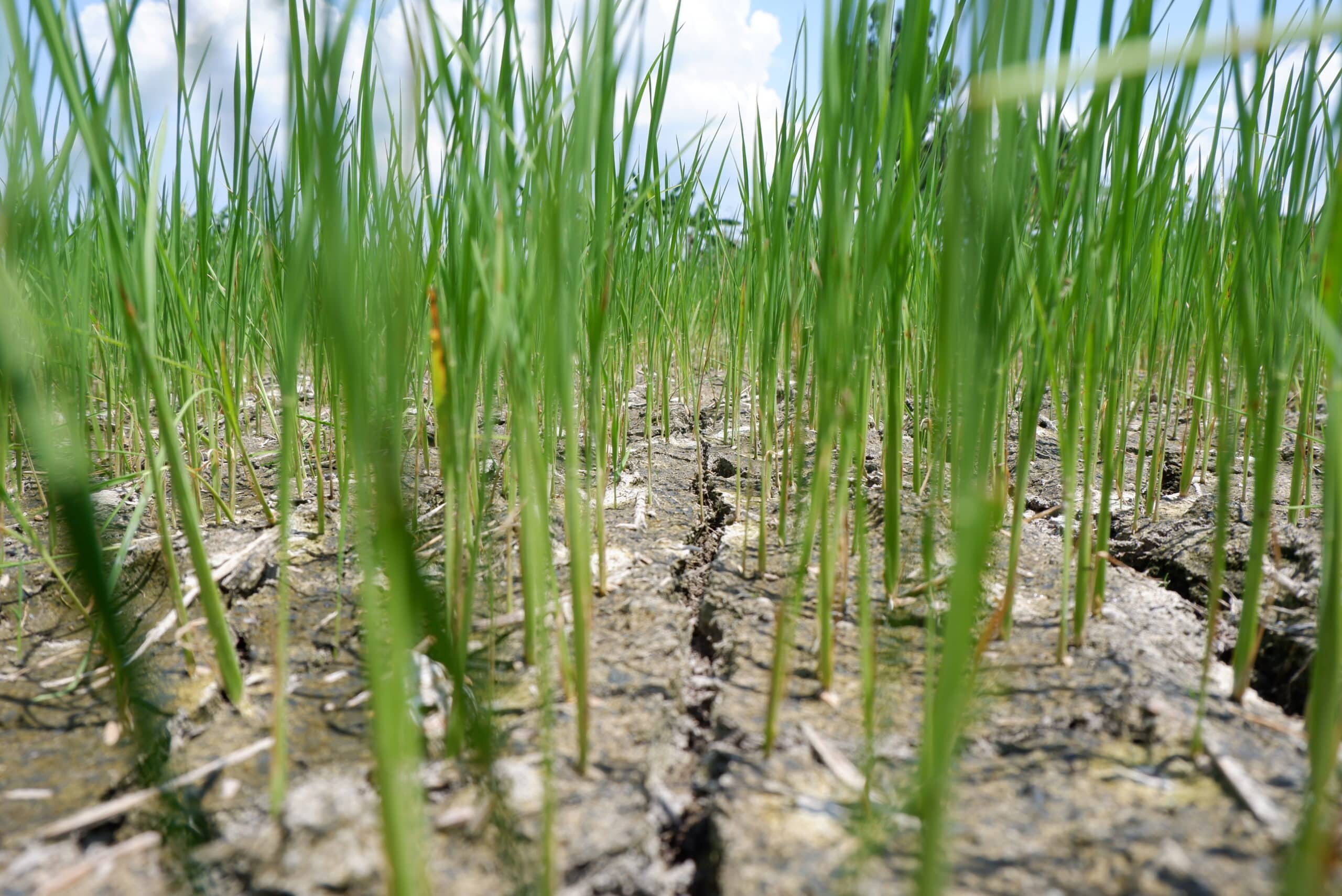
MANILA, Philippines — The Palace on Wednesday said the government is stepping up preparations for the impacts of a “very strong” El Niño. The assurance came as the United Nations’ climate agency, the World Meteorological Organization, warned that El Niño is expected to reach “very strong intensity” before peaking toward the end of 2026. It also said the climate impacts could continue into 2027. READ: El Niño to be ‘very strong,’ last until February, UN warns At a briefing, Palace press officer Claire Castro said climate change could intensify the impacts of El Niño, underscoring the need to further study its potential effects and prepare the country so that future generations will not have to struggle as much. “So, everything that we do now—and we also discussed this with the Climate Change Commission regarding climate change—should be guided by science, so that all our actions are aligned with the appropriate responses to the kinds of climate conditions we may face in the future,” she said at a briefing. Among the areas being prepared for El Niño’s potential impacts is agriculture. The Department of Agriculture has also long had an El Niño Task Force, an interagency body tasked with coordinating preparations, mitigation measures, and responses to the dry spells and droughts brought about by El Niño. “The National Irrigation Administration, led by Engineer Eduardo Guillen, has long been preparing for El Niño and is providing farmers with guidance on what crops to plant during heavy rains and when to harvest to minimize losses from storms,” Castro said. El Niño is a natural climate phenomenon. The Philippine Atmospheric, Geophysical and Astronomical Services Administration characterizes it as the unusual rise in average sea surface temperatures in the central and eastern equatorial Pacific, resulting in warmer waters. As a result, below-normal rainfall is expected, which can cause dry spells and droughts in several areas. This means El Niño is not caused by climate change. However, scientists expect it to intensify heat on a planet already warming due to fossil fuel emissions and worsen extreme weather events. /mcm
Original source
Inquirer NewsInfo