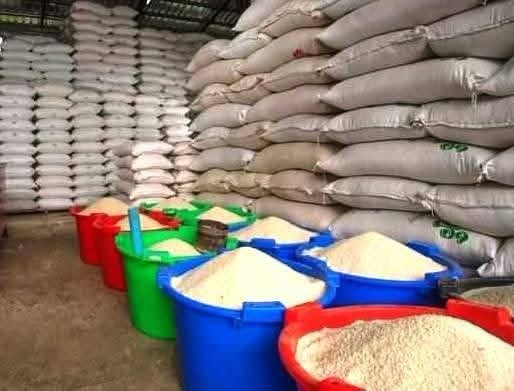
Rice prices rise along with general commodity prices
Amidst rising general commodity prices during the interim government's 100-day plan, rice prices have also followed suit, according to market sources. Rice prices have been on the rise since the end of July, with prices
This article requires PRO
This article is outside the free access window or is a special report. PRO unlocks it and the full archive.
Related articles
- Malaysia returns 10,000 Myanmar nationals since January; Migrant workers to protest Min Aung Hlaing visit
Malaysia sends back 10,000 Myanmar nationals since January Malaysian Prime Minister Anwar Ibrahim told parliament in the capital Putrajaya on Tuesday that approximately 10,000 Burma nationals have been repatriated from M
- House building material shop owner stabbed and robbed to death in North Dagon, 3 perpetrators on the run
A male owner of a house building material shop was attacked and killed by robbers in his home in North Dagon Township, Yangon Region, on the afternoon of October 5, yesterday, according to a local social assistance organ
- Mae Tao Clinic highlights Thai-Myanmar border crisis after winning Okinawa Peace Prize
In an exclusive interview with DVB following the announcement of the 13th Okinawa Peace Prize, Dr. Cynthia Maung, founder and director of the Mae Tao Clinic, reflected on the clinic’s recognition as the first non-Japanes
- MAA calls for a one-day work stoppage to protest the visit of the interim president Min Aung Hlaing to Malaysia
Ayeyarwaddy Times October 5 Myanmar Affairs Alliance (MAA) has urged Myanmar nationals residing in Malaysia to participate in a "work stoppage strike" by refraining from going to work entirely on the upcoming October 7th