Thailand Intensifies Crackdown on Foreign Nominee Schemes
Politics
2026年7月5日
5
Bangkok Post

Thailand Intensifies Crackdown on Foreign Nominee Schemes

AI サマリー

Thailand's Commerce Ministry is set to intensify its crackdown on the illegal use of Thai nominees by foreign investors, aiming to protect fair competition and national economic interests. This move follows a significant rise in companies deemed at risk of nominee arrangements over the past two decades. Stricter registration requirements and enhanced inter-agency cooperation are being implemented.

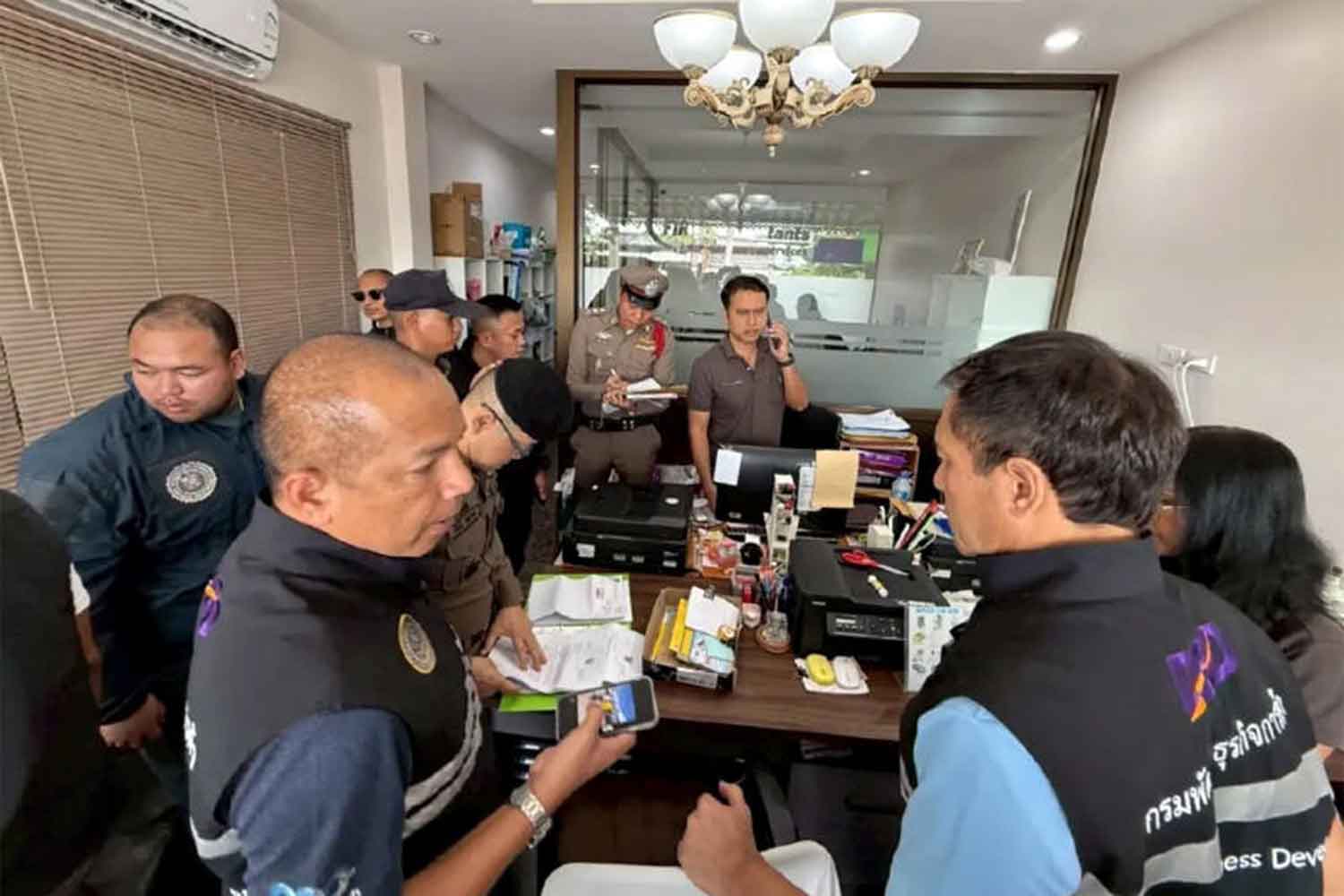
The Commerce Ministry has vowed to intensify its crackdown on the illegal use of Thai nominees by foreign investors, a move aimed at protecting fair competition and the country's economic interests. The Department of Business Development (DBD) stated that nominee shareholding has been a long-standing issue that distorts market competition and disadvantages legitimate businesses operating in Thailand. The number of companies considered at risk of nominee arrangements had risen steadily over the past two decades, from 523 firms in 1998 to 11,746 in 2025. As of June 23, there were 119,297 companies with foreign shareholdings between 0.01% and 49.99%, a category regarded as vulnerable to nominee abuse. However, stricter screening has led to a significant decline in newly registered firms considered at risk, with a fall of over 65% between January and May this year compared to the same period last year. The ministry attributes this decline to tighter registration requirements, including enhanced scrutiny of companies with foreign shareholders or directors, and new rules requiring businesses to verify the source of their investment. Prime Minister Anutin Charnvirakul has instructed the ministry to examine business registrations involving foreign investors and consider amendments to laws and regulations to better address nominee practices. The DBD announced it has strengthened inter-agency cooperation by signing a memorandum of understanding with 23 government agencies in April. Authorities have also referred thousands of suspected cases to other agencies for further investigation. These include nearly 14,800 companies sent to the Revenue Department for tax inspections, over 17,500 referred to the Department of Lands to examine property ownership, and more than 2,700 forwarded to police task forces for in-depth investigations. The Economic Crime Suppression Division and the Department of Special Investigation have also pursued over 2,200 cases. Since October last year, officials have conducted inspections in 35 locations across 11 provinces, targeting sectors considered vulnerable to nominee arrangements, including construction, tourism, real estate, accounting, legal services, restaurants, factories, and steel trading. A further round of stricter registration measures is expected to take effect on August 1 following a public consultation.

多角的分析

経済的影響

外国人名義貸し(ノミネート)の取り締まり強化は、タイ国内の経済的公正性を保ち、健全な競争環境を育成するための重要な一歩である。ノミネート行為は、外国企業がタイの法律で定められた外資規制を回避し、本来タイ資本のみが参入可能な分野へ不当にアクセスすることを可能にする。これにより、国内の正規事業者は不利な状況に置かれ、タイ経済の持続的な成長を阻害する要因となる。今回の規制強化は、特に不動産、建設、観光などの分野で顕著な問題となっていたノミネート行為を抑制し、より透明性の高い投資環境を整備することで、タイ経済の国際競争力を高めることを目指している。過去20年間でリスク企業が大幅に増加した事実は、この問題がいかに根深く、経済成長の足かせとなっていたかを示唆している。歳入局や土地局への情報移送は、税収の確保や不動産所有権の適正化にも繋がり、国家財政の健全化にも寄与すると考えられる。

投資家心理

今回のタイ政府による外国人名義貸し(ノミネート)規制強化は、新規参入を検討している外国人投資家にとって、事業計画の見直しを迫る要因となり得る。特に、タイの外資規制が厳しい産業分野への投資を計画している場合、これまで利用されてきたノミネートスキームが利用できなくなるため、直接投資や合弁事業の設立など、より正規的で透明性の高い方法での参入を模索する必要が生じる。一方で、既存の合法的なタイ企業にとっては、不当な競争相手が排除されることで、より公平な市場環境での事業展開が期待できる。これは、長期的な視点で見れば、タイ経済全体の信頼性を高め、質の高い外国投資を呼び込むための布石となり得る。ただし、規制の具体的な運用や、今後の法改正の動向によっては、投資環境の不確実性が一時的に高まる可能性も否定できない。

社会的影響

外国人による名義貸し(ノミネート)の取り締まり強化は、タイ社会における経済的格差や不公平感に影響を与える可能性がある。これまで、一部の外国人投資家がノミネートを利用して収益性の高い事業を展開する一方で、タイ国内の小規模事業者や一般市民は、こうした不当な競争によって機会を奪われるケースがあった。規制強化により、より公正な市場が形成されれば、タイ国民が経営する事業が成長しやすくなることが期待される。しかし、規制の過程で、正当な事業活動を行っていた外国人投資家や、それに協力していたタイ人が不当な扱いを受けるリスクも懸念される。また、観光業や不動産業といった、外国人による投資が活発な分野では、雇用や地域経済への影響も注視する必要がある。今回の措置は、タイ国民が自国の経済的利益をより享受できる社会を目指す動きとも言える。

市民の声

外国人による名義貸し(ノミネート)の取り締まり強化は、バンコク市民の日常生活にも間接的な影響を与える可能性がある。例えば、不動産や建設業界における外国資本の不透明な流入が抑制されれば、不動産価格の過度な高騰が緩和されるかもしれない。また、観光業においても、よりタイ資本による事業が活性化すれば、地域経済への利益還元が進み、雇用機会の創出に繋がる可能性がある。一方で、規制強化が外国人観光客の減少や、一部のサービス業における外資系企業の撤退を招いた場合、雇用や消費活動に影響が出ることも考えられる。政府は、経済的利益の保護と国民生活への影響のバランスを慎重に考慮しながら、規制の実施を進める必要がある。

背景・歴史的文脈

タイにおける外国人名義貸し(ノミネート)問題は、古くから存在する構造的な課題である。タイでは、外国資本の参入を制限する法律や規制が存在するが、一部の外国人投資家がこれらの規制を回避するため、タイ国民を名義上の株主や取締役として利用するケースが後を絶たない。特に、不動産、メディア、通信といった戦略的に重要な分野でこの問題が顕著である。1999年の外国事業法(Foreign Business Act)では、特定の業種における外資比率に制限が設けられているが、ノミネート行為はこれらの法律の抜け穴を突く形で行われてきた。過去には、経済危機後に外国資本の流入を促進する一方で、国内産業保護の観点からノミネート規制の強化が議論されてきた経緯もある。今回の商務省による取り締まり強化は、こうした長年の懸案事項に対して、より踏み込んだ対策を講じるものと見られる。

原文ソース

Bangkok Post

原文を読む