70% of Traditional Costumes for Angkor Photoshoot are Fake, Authorities Claim
Culture
2026年7月14日
4
AKP Khmer
Relations
🇰🇭Cambodia🇹🇭Thailand🇱🇦Laos🇨🇳China

70% of Traditional Costumes for Angkor Photoshoot are Fake, Authorities Claim

AI サマリー

Siem Reap provincial authorities in Cambodia have stated that approximately 70% of traditional costumes rented for photoshoots at Angkor sites deviate from authentic Khmer styles, often using fabrics from Thailand, Laos, and China. Authorities are demanding correction by January 2027.

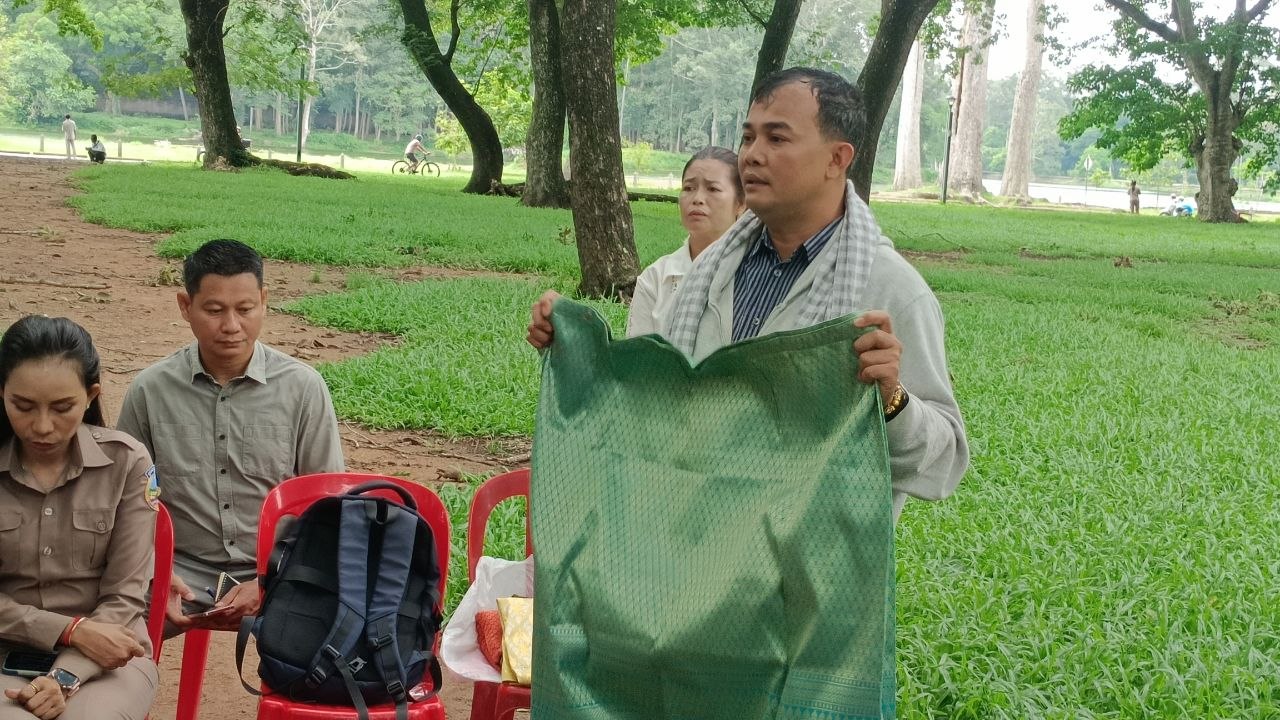
Cambodian authorities in Siem Reap province have announced stricter regulations regarding traditional costumes rented for tourists visiting the Angkor temples, citing that a significant portion deviates from authentic Khmer styles. During an inspection and guidance session for costume rental businesses near Angkor Wat on July 13th, Mr. Chan Sophann, an official from the Siem Reap Provincial Department of Culture and Fine Arts, stated that approximately 70% of the costumes provided to tourists for photo opportunities and temple visits are not in line with original forms and historical periods. He pointed out the improper use of fabrics and jewelry that do not correspond to the status of individuals in ancient Khmer society. Specifically, fabrics from Thailand, Laos, and China are being used to create what are presented as traditional Khmer attire, which experts emphasize is a departure from long-standing Khmer traditions, identity, and culture. Experts in ancient Khmer art and costume explained that authentic traditional Khmer attire requires the use of Cambodian-made fabrics and accessories, with specific styles dictated by social status. Examples include the 'Houl' silk fabric for royalty, 'Lbeuk' and 'Lbeuk Choeung' fabrics for the wealthy, and cotton weaves for commoners. They also noted that the over 1,000 variations of traditional Khmer dress are believed not only to cover the body but also to bring good fortune and prosperity to those who wear them correctly. Mr. Tes Sothy, Deputy Director-General of the Apsara Authority's Tourism and Cultural Development Department, commented that some of the non-authentic traditional costumes worn by tourists at Angkor are drawing criticism and severely damaging Khmer cultural values. In response, the Apsara Authority and the Provincial Department of Culture and Fine Arts have urged rental businesses to cease using foreign fabrics from countries like Thailand, Laos, and China for their traditional Khmer costume designs. The Apsara Authority has set a deadline, stating that from July 13, 2026, tourists wearing inappropriate or revealing traditional costumes will not be permitted to enter the Angkor sites. Furthermore, the use of traditional costumes made with fabrics from Thailand, Laos, and China, as well as those styled after the Chenla period, will be completely phased out by January 2027. Experts also referenced traditional beliefs that wearing costumes that deviate from the original forms not only leads to the loss of culture, identity, and national tradition but can also bring misfortune to the wearer, potentially causing a decline in status, business failures, family disputes, and even illness among children.

多角的分析

経済的影響

伝統衣装の多くが外国製生地を使用しているという事実は、カンボジア国内の繊維産業の育成機会損失を示唆しています。本来であれば国内で生産されるべき素材が輸入に頼ることで、国内経済への波及効果が限定的になる可能性があります。また、模倣品の使用は、本物の伝統工芸品や関連産業の発展を阻害し、文化遺産を基盤とした経済発展の機会を損なう恐れがあります。

投資家心理

今回の規制強化は、アンコール遺跡周辺の観光関連ビジネス、特に衣装レンタル業者の収益性に直接影響を与える可能性があります。外国製生地の使用禁止や、不適切衣装の入場拒否は、既存事業者のビジネスモデルの見直しを迫り、代替となる真正な衣装の調達コスト増加につながるかもしれません。一方で、真正な伝統衣装の需要が高まることで、国内の伝統工芸品製造業者にとっては新たなビジネスチャンスが生まれる可能性もあります。

社会的影響

アンコール遺跡という世界遺産において、観光客が着用する衣装が偽物であるという事実は、クメール文化のアイデンティティと尊厳に関わる問題です。本来の伝統衣装は単なる服装ではなく、歴史、社会構造、そして精神性を内包しており、その模倣や軽視は、国民の文化に対する誇りを傷つける可能性があります。また、衣装の不適切さが入場拒否につながることは、観光客と現地業者との間で新たな摩擦を生むことも考えられます。

市民の声

シエムレアプ市民、特に観光業に携わる人々にとって、今回の規制は生活に直接影響します。衣装レンタル業者は、仕入れ先の見直しや、より高価な真正な生地への切り替えを迫られる可能性があります。また、観光客の入場制限が強化されれば、観光客数の減少につながり、関連産業全体に影響が及ぶことも懸念されます。一方で、文化遺産の保護という観点からは、今回の動きを支持する声もあるでしょう。

背景・歴史的文脈

カンボジアは、アンコール遺跡という世界的に有名な文化遺産を抱え、観光産業が経済の重要な柱となっています。近年、中国人観光客の増加に伴い、遺跡周辺での観光サービス、特に伝統衣装のレンタルや写真撮影サービスが急増しています。しかし、その過程で、本来のクメール文化とは異なる、低コストで大量生産された衣装が流通するようになりました。これは、文化遺産の真正性を損なうだけでなく、国内の伝統工芸産業の発展を阻害する懸念から、当局は以前から問題視していました。今回の規制強化は、こうした背景を踏まえ、文化遺産の保護と国内経済の活性化を両立させようとする試みと考えられます。

原文ソース

AKP Khmer

原文を読む