General articles are free for 24 hours after publish.
Climate Crisis Heightens Vulnerability of Indonesia's Electricity Transmission
Climate change-induced extreme weather events are increasing the vulnerability of Indonesia's fossil fuel-dependent electricity transmission. Experts urge the government to accelerate the transition to renewable energy sources like solar and wind, and enhance infrastructure resilience.
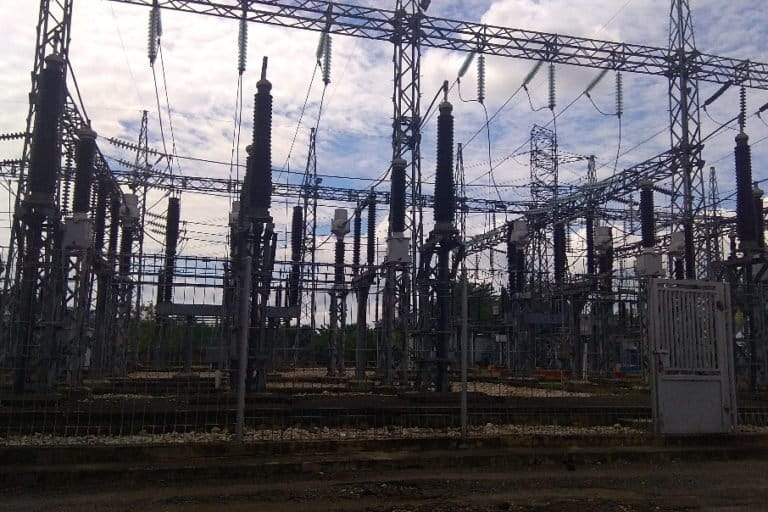
Disasters and the climate crisis are also increasing the vulnerability of electricity transmission, which still relies on fossil fuels. Various parties are urging the government to consistently transition from fossil fuels to renewable energy. Deon Arinaldo, Director of Energy Transition Transformation at the Institute for Essential Services Reform (IESR), reminded the government to accelerate decarbonization by relying on renewable energy sources like solar and wind. "Hydropower plants are also affected by the climate crisis," he said. One implication of global warming, he stated, is a 4-5% drop in electricity generation. Hydropower plant activities are also prone to disruption due to reduced water supply caused by the climate crisis. According to Deon, there are four areas that need attention to maintain electricity reliability. First, infrastructure resilience, which includes the resilience of electricity infrastructure against shocks and stresses from extreme weather. Second, a system with good interconnection. This way, when a disruption occurs, a blackout does not spread widely. Third, a rapid recovery system. Fourth, the ability to anticipate potential new risks, including by PLN (State Electricity Company). Muhammad Ihsan, a Renewable Energy Analyst at IESR, stated that the electricity grid is crucial because it must accommodate both past and new generations, namely climate risks and energy transition. Facing these two risk interests requires an increase in resilience and a renewable energy mix. "The higher the transmission grid, the higher the exposure to climate risks, and the further it spreads to different regions. This risk involves floods and landslides, not to mention earthquakes," he said during an online discussion titled Vulnerability of Electricity Assets to Climate Change Impacts not long ago. Ihsan presented internal research on what happened during blackouts in Sumatra. According to him, the electricity grid is facing two interests: risks...
Original source
Mongabay Indonesia