Malaysia Faces Deepening Social Divide Amidst Rising Anti-Rohingya Sentiment
Malaysia is witnessing a surge in hostile social media posts targeting Rohingya refugees, echoing past persecutions. Incitement by politicians and influencers is severely impacting the refugees' daily lives.
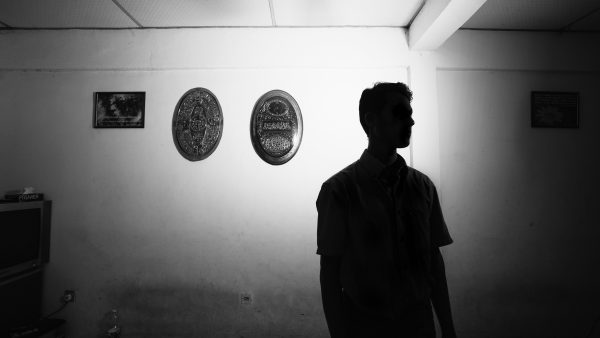
Read The Diplomat, Know The Asia-Pacific The growing negative sentiment about the community bears a disturbing resemblance to the narratives that justified their mass expulsion from Myanmar in 2017. A Rohingya refugee from Myanmar’s Rakhine State stands in his home in Kuala Lumpur, Malaysia. Until the celebration of the Muslim festival Eid al-Adha in late May, Sadek, a Rohingya activist and founder of Rohingya Rights Response (RRR), was living in relative peace in Malaysia. There had been a steady amount of hostile social media posts about the Rohingya community living in the country since his arrival several years before, but the impact was manageable. “For the first time in a long time, Malaysia felt like a place where I could breathe,” he said in a recent interview. “I made genuine friends, felt accepted by many people, and slowly started rebuilding a life after everything my family and I had been through.” But when a negative backlash erupted online in response to cows being slaughtered by Rohingya refugees for Eid al-Adha in the town of Selayang, prompting a viral anti-Rohingya petition, Sadek’s life changed for the worse. “Since May, that feeling has disappeared. It’s heartbreaking to feel that fear return, after finally believing I had found some peace,” he said. By early June, the petition on Change.org, addressed to Prime Minister Anwar Ibrahim and calling for the “removal of Rohingya from Malaysia,” had garnered almost half a million signatures. Despite the petition’s removal, the anger towards Rohingya refugees had escalated and started impacting the day-to-day lives of many communities. In comparison to neighboring ASEAN states, Muslim-majority Malaysia has historically been considered a relatively hospitable destination for Rohingya refugees. In 2016, Prime Minister Najib Razak said “we must defend [the Rohingyas] not just because they are of the same faith but they are humans.” However, an increase in the number of refugees arriving in Malaysia following the Myanmar military’s campaign of ethnic cleansing in 2017, which forced more than 700,000 Rohingya to flee the country, combined with the economic impact of the COVID-19 pandemic, have compounded the resentments. Researchers who spoke to The Diplomat believe that state elections in Johor (July 11) and Negeri Sembilan (August 1) have acted as a catalyst for the surge in hate speech towards the Rohingya, and that migration policy is emerging as one of the key talking points. Prominent figures in Malaysia have joined the chorus of voices criticizing the country’s Rohingya population. On June 3, the Deputy Prime Minister Ahmad Zahid Hamidi’s daughter, Nurul Zahid, wrote on the social media platform Threads: “Do good in moderation. Don’t let the monkeys in the forest be fed [while] the children at home die of hunger. ADDRESS their issue of overpopulation immediately.” The people contributing to the debate over Rohingya refugees’ right to live in Malaysia come from across the partisan divide. In one news story from last month, the deputy police commissioner addressed the “question of where they should be sent back.” This story also includes the quote, “the Rohingya issue has become a cancer.” On Facebook, one anti-immigrant group has more than 50,000 members and appears to be run by a district officer for the Negeri Sembilan State Islamic Affairs Department. Posts on the page call for Rohingya refugees to be removed from the country and express support for Rohingya not being allowed driving licenses. Meanwhile, Dr. Salawati Mat Basir, an associate professor in the Faculty of Law at Universiti Kebangsaan Malaysia, who also acts as the university’s appointed legal advisor, recently joked in a podcast about Malaysia “rolling out the red carpet” for refugees. In the episode, she said that ASEAN security figures had previously told her that Malaysia should “shoot. Shoot them. Don’t let them come into your territorial waters.” Yasmin Ullah, executive director of the Rohingya Maìyafuinor Collaborative Network, said that the upsurge in hateful rhetoric was “not new” but seemed to display “a bit more coordination between political figures, influencers, and news agencies. This is manufactured and it’s an opportune time, right before an election.” Anti-Rohingya content has become so prevalent in Malaysia that Doctors Without Borders advocate Jasnitha Nair alleges that media outlets are monetizing the higher audience engagement with negative content about Rohingyas. An editor for the Sin Chew Daily recently described the group as “human barnacles clinging stubbornly to Malaysia.” “Barnacles continuously absorb nutrients from their surroundings and reproduce at an astonishing rate,” wrote Khor Chun Kiat. “The only way to remove them is to take a scraper and forcefully chip them away.” Yap Lay Sheng, a human rights specialist at the advocacy group Fortify Rights, who has been closely following the escalating situation, stated: “When influential figures repeat harmful things against refugees, they lend legitimacy to online hate and give the public permission to translate that online hate into offline abuses. And we’ve seen that already with the vigilantes going around, exposing the locations of people’s homes and schools, and sometimes brutalizing them.” The NGO Rohingya Rights Response (RRR) shared a database of more than 100 social media posts collected between June 18 and July 6. Around 30 percent of the posts include misinformation about Rohingya; more than 30 percent include hate speech and almost 17 percent include reference to or depict children. Michelle, a human rights activist who only wants to be identified by her first name, has also been gathering evidence of posts that include hate speech against Rohingya refugees. On July 4, she and representatives from two other NGOs emailed Facebook’s parent company Meta to request the removal of 15 posts that included “doxxing, targeted harassment, and calls for the harassment of men, women, and children associated with hospitals, schools, places of worship, and their private homes.” Meta responded and escalated the complaint. At the time of publication, its investigation is ongoing. “There are policies on Facebook but most of the hate speech is in Malay so it doesn’t seem to matter. There doesn’t seem to be enforcement because of the language differences,” said Sadek from RRR. In the Facebook Papers which were leaked in 2021, internal documents express concerns about the platform’s ability to address hate speech in languages other than English. Mark Zuckerberg also promised to increase moderating capabilities after Facebook acknowledged it didn’t do enough to regulate the hate speech that fueled Myanmar’s military campaign against the Rohingya, which some experts say amounted to genocide. According to several Rohingya interviewees, the rising hate speech online has now restricted their day-to-day activities. Malaysian citizens have filmed and threaten
多角的分析
マレーシアにおけるロヒンギャ難民への敵意の高まりは、単なる人種的・宗教的偏見だけでなく、経済的要因とも深く結びついている。COVID-19パンデミックによる経済的打撃は、国民の生活水準に影響を与え、国内の限られた資源や雇用機会に対する懸念を増大させた。特に、低賃金労働市場における競争や、社会保障制度への負担増といった問題が、難民や移民に対する反感を煽る土壌となっている。過去の経済危機時においても、外国人労働者や少数民族がスケープゴートにされる傾向は顕著であり、現在の状況は、経済的困難が社会的な排他性を助長する構造を示唆している。
マレーシアにおけるロヒンギャ難民に対する憎悪扇動の増加は、投資家にとって社会的不安定性の高まりを示すシグナルとなり得る。政治家やインフルエンサーが難民排斥を声高に叫ぶことは、国内の社会的分断を深め、予期せぬ社会不安を引き起こすリスクを高める。これは、外国からの直接投資(FDI)やポートフォリオ投資において、リスクプレミアムの上昇を招き、投資決定に慎重な姿勢をもたらす可能性がある。特に、ASEAN地域全体の政治的・社会的な安定性に対する懸念を呼び起こす可能性も否定できない。
マレーシアのロヒンギャ難民に対するソーシャルメディア上のヘイトスピーチは、社会の底辺で生活する人々の不安や不満を反映している側面がある。例えば、地方都市の住民(Pak Hadiのような立場)は、経済的困難や伝統的価値観との間で揺れ動き、外部からの影響を受けやすい。また、若年層(Sariのような立場)はSNSを通じて情報に触れるため、扇動的なコンテンツに影響されやすい。特に、マレー語でのヘイトスピーチがFacebookなどのプラットフォームで効果的に取り締まられていない現状は、オンライン空間における「弱者」への攻撃を助長し、社会的な分断を深める。これは、難民だけでなく、国内の少数派や経済的に脆弱な層への差別を助長する可能性も孕んでいる。
マレーシアのロヒンギャ難民への反発は、国内の市民、特に経済的に不安定な層や、移民政策に不満を持つ層の感情を代弁する側面がある。副首相の娘による「猿」発言や、副警察署長による「癌」発言は、こうした市民感情を政治的に利用しようとする動きと見ることができる。過去の経済不況時にも、外国人労働者や少数民族がスケープゴートにされる傾向があったことを考えると、現在の状況は、経済的困難が社会的な排他性を助長する構造を示唆している。市民は、自らの生活が脅かされていると感じる時、外部の集団に責任転嫁する傾向がある。
背景・歴史的文脈
ミャンマーのロヒンギャ族は、長年にわたりミャンマー政府から迫害を受け、 stateless(無国籍)な状態に置かれてきた。2017年のミャンマー軍による大規模な弾圧により、70万人以上がバングラデシュなどに避難を余儀なくされた。マレーシアは、イスラム教徒多数派の国として、ロヒンギャ難民に対して比較的寛容な姿勢をとってきたが、難民の増加と経済的要因が、国内の受け入れ能力への懸念や反発を生み出している。特に、ASEAN地域における移民・難民問題は、各国の国内政治や社会情勢と密接に絡み合っており、複雑な様相を呈している。
原文ソース
The Diplomat Indonesia