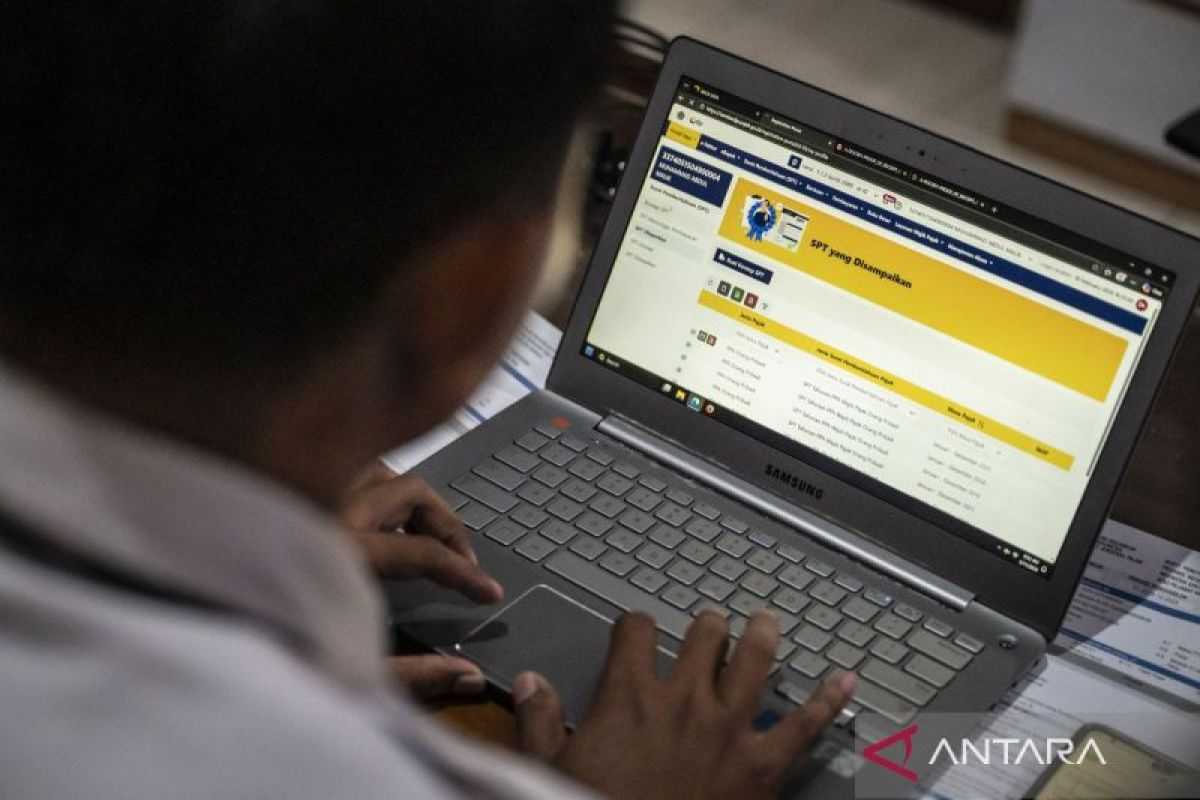
Indonesia Mandates Coretax Platform for All Tax Processes
Indonesia's government has mandated the implementation of the advanced 'Coretax' platform for all tax processes, aiming to digitalize tax administration and enhance efficiency and transparency.
This article requires PRO
This article is outside the free access window or is a special report. PRO unlocks it and the full archive.
Related articles
- Aviation Fuel Prices Burden Flights, Syarif Fasha Requests Government Price Component Review
Indonesian lawmaker Syarif Fasha has urged the government to review the price components of aviation fuel (avtur), citing its escalating cost as a burden on the airline industry. This issue could lead to increased fares for domestic flights, potentially limiting public mobility.
- Book Review: The Architecture of Risk - Daring to Take Risks vs. Recklessness
Sindonews reviews 'The Architecture of Risk,' a book that dissects the difference between bold risk-taking and recklessness, emphasizing the importance of wise decision-making.
- London's Mass Power Outage: What to Know and Potential Indonesian Impact
A massive power outage in London highlights infrastructure vulnerabilities. As Indonesia correspondent, this report examines the potential implications for Indonesia's own power infrastructure and investment climate.
- Japan's Unease Over US-China Relations and Indonesia's Economic Outlook
Uncertainty in US-China relations is causing concern in Japan's economic circles. This could impact regional supply chains and investment flows, potentially creating indirect ripple effects on Indonesia's economy.