General articles are free for 24 hours after publish.
Thailand Trails Singapore in AI Race, But Local Banks Accelerate Automation Investment
Southeast Asia's AI development race sees Singapore attracting massive funding, while startups in Thailand and other nations struggle. However, Thai banks are actively adopting AI for operational efficiency and fraud prevention.
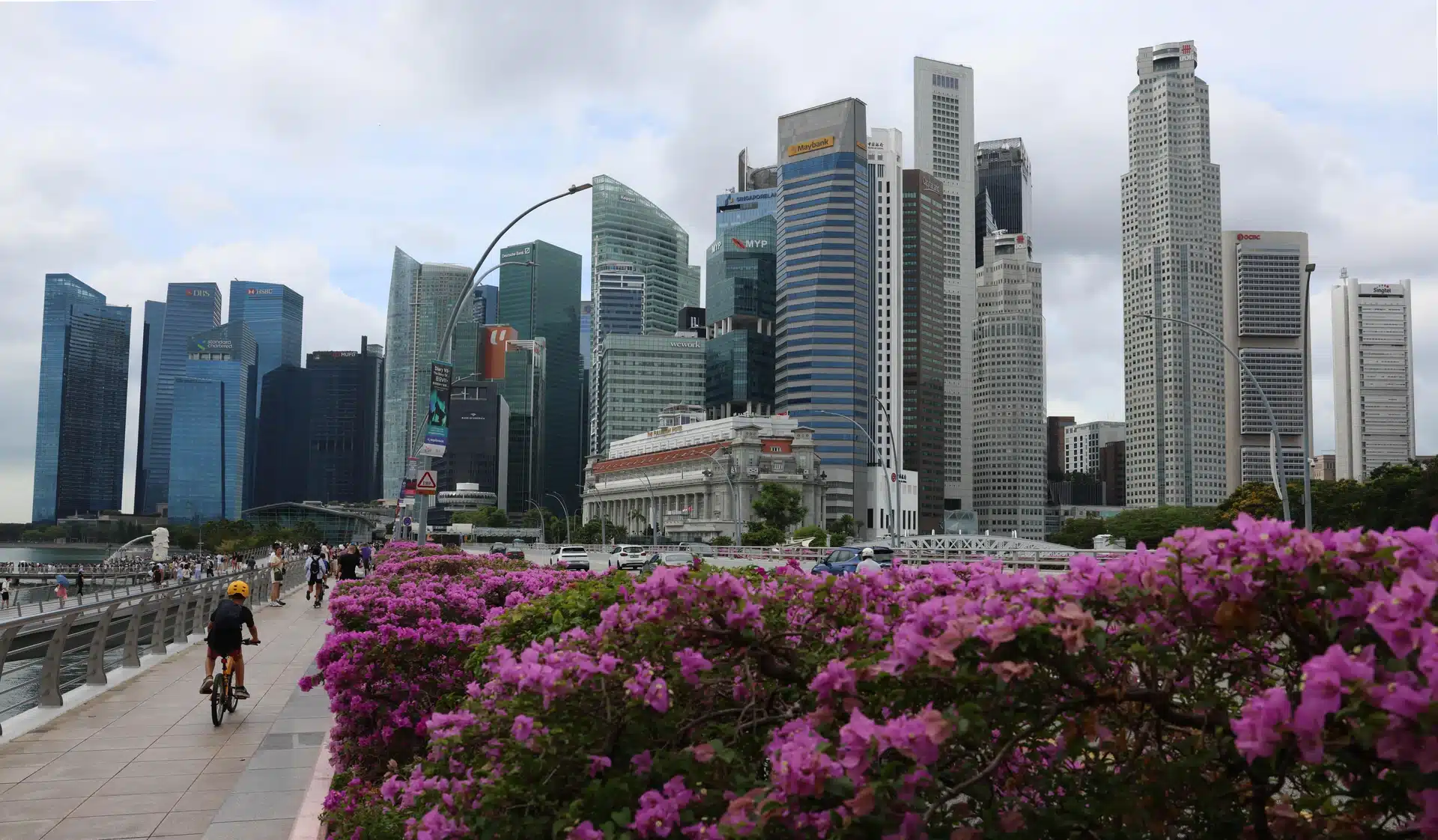
SINGAPORE – Southeast Asia is witnessing a dramatic divide in the race for artificial intelligence supremacy. By September 2026, Singapore-based AI companies pulled in an astounding US$13.5 billion in venture capital funding. This massive financial influx cements the city-state as the dominant tech headquarters for the entire region. Meanwhile, founders in neighboring countries are watching this historic boom unfold largely from the sidelines. In contrast, local AI startups across Vietnam, Malaysia, Indonesia, and Thailand raised less than US$40 million combined. However, this lack of startup capital does not mean the wider region is ignoring modern automated tools. Instead of small tech companies driving change, established commercial lenders have emerged as the primary buyers and builders. Big financial groups are now pouring tens of millions of dollars into commercial machine learning software. Singapore continues to attract the lion’s share of international venture capital due to its strong legal framework. Global investment funds view the island nation as a safe haven with top-tier infrastructure and clear intellectual property rules. As reported by financial analysts at Reuters, international funds prefer backing Singaporean teams that serve multinational corporate enterprises. Consequently, early-stage developers in Singapore secure larger funding rounds and hire top research talent from around the globe. This funding concentration creates a self-reinforcing cycle that leaves neighboring tech hubs struggling to compete for visibility. Investors often demand that promising regional founders relocate their corporate headquarters to Singapore before signing any checks. While this practice protects foreign capital, it drains local ecosystems of their most promising business leaders and technical innovators. As a result, the gap between Singapore and other Southeast Asian capitals continues to widen each quarter. Outside Singapore, independent software developers face an increasingly difficult environment when seeking early-stage venture funding. Tech hubs in Jakarta, Kuala Lumpur, and Ho Chi Minh City report record lows in venture activity for artificial intelligence. Industry data published by Tech in Asia indicates that regional seed rounds have dried up significantly over the past two years. Many bright computer engineers are leaving private startups to accept stable corporate jobs at multinational firms. High operational expenses make life even harder for these underfunded regional founders trying to build proprietary systems. Running modern automated software requires expensive computer chips, massive electricity supplies, and costly foreign cloud subscriptions. Without substantial cash reserves, small development shops cannot afford the processing power required to train original tools. Therefore, many local software firms must scale back their ambitions and focus solely on minor custom integration projects. While independent software developers face dry spells, corporate balance sheets tell an entirely different financial story. Established commercial lenders across developing Southeast Asian markets are spending aggressively to upgrade their aging digital infrastructure. Meanwhile, Thai retail banks have committed more than 25 billion baht to internal automation programs. Rather than building experimental chatbots, these traditional institutions focus on practical tools that protect profits and cut payroll expenses. Most of this corporate spending goes directly toward routine back-office automation and digital workflow optimization. Banking executives want algorithms that can process loan documents, scan tax records, and approve applications within seconds. These automated systems eliminate thousands of manual work hours and drastically reduce human error in compliance filing. In addition, automated customer service tools handle routine account inquiries, allowing human staff to focus on complex financial planning. Fraud prevention represents another massive area of investment for major financial institutions throughout the region. Digital scams and online payment fraud have surged across developing markets as digital banking adoption expands. In response, regional banks are deploying predictive algorithms to monitor transaction flows and spot unusual account behavior instantly. These smart security tools analyze millions of daily credit card swipes to stop unauthorized fund transfers before money leaves the bank. Market tracking from Bloomberg shows that lenders prefer buying proven software from global enterprise providers rather than local developers. This procurement strategy provides guaranteed system reliability, but it leaves regional software startups without lucrative corporate contracts. In essence, Southeast Asian banks are modernizing rapidly, yet their dollars flow overseas rather than into nearby startup incubators. This dynamic ensures that while banking operations become cutting-edge, local software ecosystems remain starved of customer revenue. Southeast Asia is now settling into a distinct two-track digital economy that will shape the coming decade. Singapore will likely maintain its status as the regional powerhouse for software creation, talent aggregation, and venture capital. In the meantime, neighboring countries will function primarily as enthusiastic enterprise buyers rather than original software creators. For local founders in places like Bangkok and Jakarta, survival will depend on building practical enterprise tools that local banks cannot buy off the shelf.
Original source
Chiang Rai Times