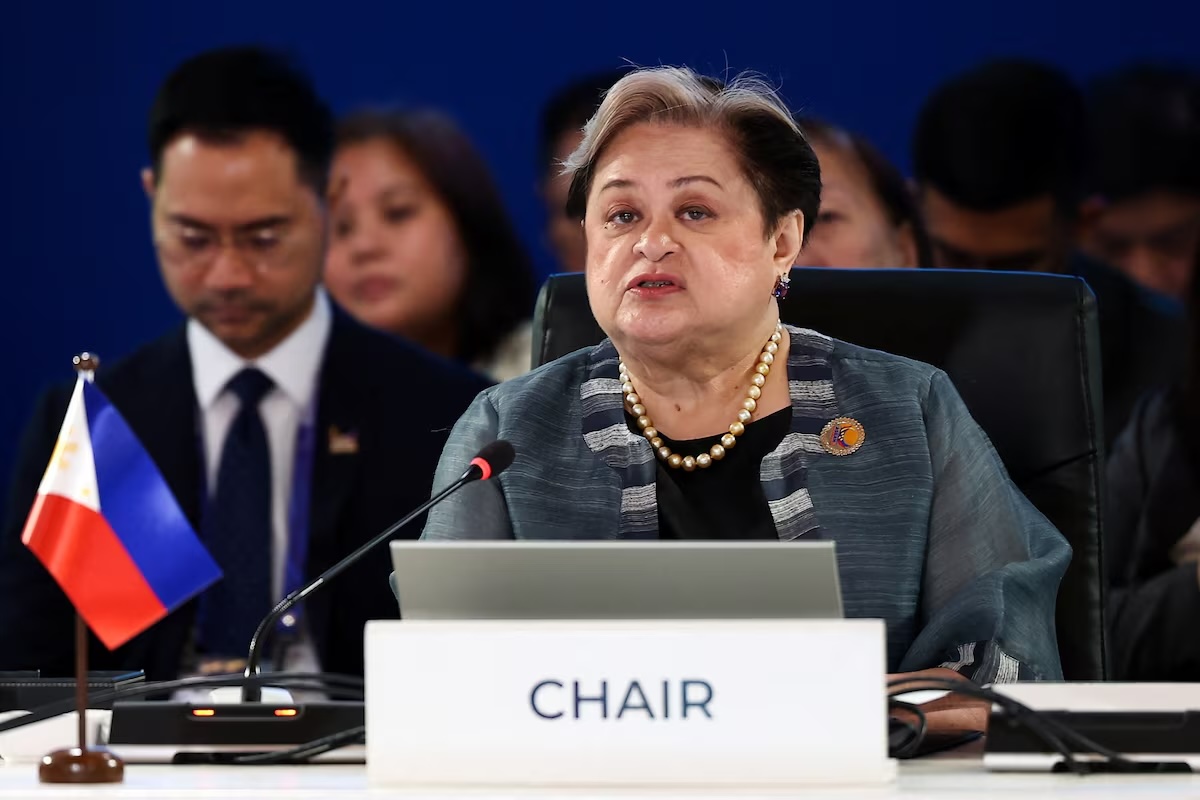
Rights groups condemn ASEAN for breaking five-year freeze to meet senior Myanmar regime official
The Association of Southeast Asian Nations (ASEAN) is facing severe backlash from international human rights experts ahead of an informal summit in Bangkok on Sunday. The meeting will mark the first face-to-face engageme
The Association of Southeast Asian Nations (ASEAN) is facing severe backlash from international human rights experts ahead of an informal summit in Bangkok on Sunday. The meeting will mark the first face-to-face engagement between ASEAN foreign ministers and a senior Myanmar regime official since the military seized power in 2021. The talks, hosted by Thailand, will include Myanmar’s regime-appointed Foreign Affairs Minister, Tin Maung Swe. The move signals a highly controversial shift for the 11-member bloc, which has barred senior regime officials from high-level meetings for the past five years due to their refusal to halt violence against civilians. ‘Precipice of Irrelevance’ The decision to re-engage with the regime has drawn immediate and fierce condemnation from regional watchdogs. On July 11, both the Special Advisory Council for Myanmar (SAC-M) and ASEAN Parliamentarians for Human Rights (APHR) issued statements denouncing the summit. Yanghee Lee, a prominent member of SAC-M, issued a stark warning, stating that by agreeing to meet with the regime’s representative, ASEAN risks complete “irrelevancy” and is actively undermining its own diplomatic frameworks. Mercy Chriesty Barends, Chairperson of the APHR, accused the bloc of explicitly “rewarding” Naypyidaw’s ongoing atrocities and its blatant non-compliance with the Five-Point Consensus—ASEAN’s official peace plan. She demanded the regime be held legally accountable for its crimes against the people of Myanmar rather than being granted a seat at the table. A history of defiance and snubs The diplomatic olive branch comes on the heels of yet another direct snub by the military regime toward ASEAN leadership. On June 30, the regime outright rejected a formal request from Philippine Secretary of Foreign Affairs Ma. Theresa P. Lazaro, the 2026 ASEAN Chair Special Envoy on Myanmar. Manila had requested Lazaro meet with jailed State Counsellor Aung San Suu Kyi—a core requirement for inclusive dialogue under the ASEAN peace plan—but was denied access. The regime’s refusal to cooperate is part of a years-long pattern. Regime leader Min Aung Hlaing personally attended an ASEAN summit in April 2021 and agreed to the peace plan, which mandates an immediate end to violence, the release of all political prisoners, and inclusive dialogue among all stakeholders. Upon returning to Myanmar, he abandoned the agreement, launching a brutal nationwide crackdown that has killed thousands and displaced millions, leading to the initial diplomatic freeze that ASEAN now appears to be thawing. The post Rights groups condemn ASEAN for breaking five-year freeze to meet senior Myanmar regime official appeared first on DVB.
多角的分析
直接の経済ニュースではありませんが、治安と司法の信頼は地域経済の土台です。職場での暴力や未成年者保護への不安が強まると、夜間営業、観光、雇用、地域サービス業のリスク認識が高まります。
投資家目線では、個別事件よりも法執行の予見可能性が焦点です。加害者への対応が曖昧になれば、ローカルビジネスの統治リスクや従業員保護の弱さとして評価されやすくなります。
東南アジア諸国連合(ASEAN)は、日曜日にバンコクで開催される非公式首脳会議を前に、国際的な人権専門家から厳しい批判に直面している。 この会…という事実は、地域の人々にとって抽象的な人権論ではなく、働く場所や夜間の移動をどこまで信用できるかという問題です。DVBの報道は、軍と当局の対応を継続して見せる必要があります。
市民にとっては、自分や家族が被害に遭った時に公正な手続きへアクセスできるのかが最大の関心です。地域団体が声を上げることで、事件の風化を防ぎ、被害者側の孤立を和らげる意味があります。
背景・歴史的文脈
このニュースは、ミャンマーの地域社会で法の支配と弱者保護がどこまで機能しているかを映す事案です。暴力事件そのものに加え、女性団体や市民社会が司法手続きを求めて声を上げている点が重要です。軍政下では警察・司法への信頼が揺らぎやすく、個別事件が地域の不安や統治への不信に直結します。
原文ソース
DVB