Philippines Joins Upper-Middle Income Club; Marcos Calls It 'Vote of Confidence'
Economy
2026年7月3日
5
Inquirer NewsInfo

Philippines Joins Upper-Middle Income Club; Marcos Calls It 'Vote of Confidence'

AI サマリー

The Philippines has been classified as an upper-middle-income country by the World Bank. President Marcos hailed the achievement as a testament to effective economic policies and a vote of confidence in the nation's future, anticipating increased investments and job opportunities.

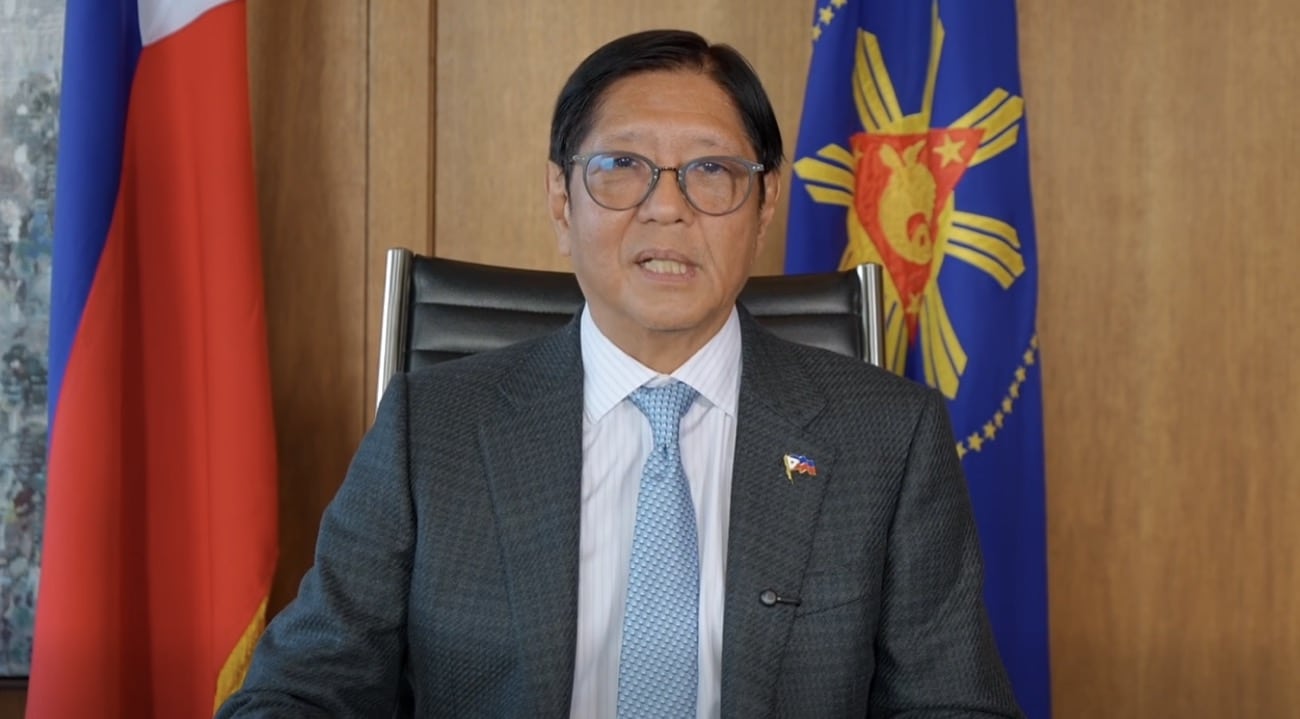
MANILA, Philippines — The Philippines has officially attained upper-middle-income status, a significant economic milestone achieved after nearly four decades as a lower-middle-income country since 1987. President Ferdinand Marcos Jr. hailed the country’s elevation as a "vote of confidence" in its future, predicting it would translate into more investments, businesses, better quality jobs, and increased opportunities for Filipinos. "This milestone affirms that the economic policies that we have pursued over the past four years have been effective," Marcos said in a prerecorded video statement. "Our steady economic growth, broadly stable currency, and long-term reforms have strengthened our economy even amid global uncertainties." The President stated that the feat validates the progress the country has made and the resilience of the Filipino people. "It is also a vote of confidence in our country’s future," he added. "This is worth celebrating because economic progress is not meant to stay on paper. It is meant to open doors, put food on the table, and give every Filipino the chance to build a better life." In its latest income assessment released on Wednesday, the World Bank reported that the Philippines’ gross national income (GNI) per capita in 2025 reached $4,850, exceeding the $4,636 threshold for upper-middle income status. GNI per capita measures the economic output per citizen, consisting of both domestic and international earnings. A higher GNI per capita is one indication of an increased standard of living. The Philippines originally expected to reach this status by 2024, but was hampered by the economy’s sharp contraction in 2020 due to the COVID-19 pandemic. The downturn and subsequent economic effects, including peso depreciation, pushed the timeline. Executive Secretary Ralph Recto stated that reaching upper-middle income status should not be the country’s finish line. "The true measure of success is whether every Filipino family feels this upper-middle income status. That is why we will not stop until more Filipinos are lifted out of poverty and their lives become easier." Recto said the government’s priorities remain clear: bring down inflation, protect jobs, strengthen purchasing power, boost consumer and business confidence, and attract even more investments. To achieve these goals, the government will accelerate the implementation of major infrastructure projects in the second half of the year, continue rolling out a more targeted Uplift (Unified Package for Livelihoods, Industry, Food, and Transport) program to cushion the lingering effects of the Middle East conflict, efficiently execute the 2026 national budget, and finalize a responsive 2027 national budget. The new classification is expected to strengthen the country’s credit profile, boost investor confidence, and expand access to financing and higher-quality investments that generate better jobs, according to Department of Economic Planning and Development Secretary Arsenio Balisacan. While some concessional Official Development Assistance (ODA) may decline over time, Balisacan said the gains from stronger fundamentals and improved market access are expected to outweigh these adjustments. The new status will not automatically stop ODA, but it will gradually change the type, cost, and volume of aid the country can receive. The country may begin losing access to concessional loans, subsidized loans, and grants from development partners like the World Bank and the Asian Development Bank. However, Balisacan noted that economic planners have been preparing for this eventuality as early as 2023. Development partners may increasingly treat the Philippines as a stronger investment destination rather than primarily an aid recipient. Based on the 2024 ODA portfolio, Japan continued to be the country’s biggest partner with $13.23 billion in active commitments, supporting 82 loans and grants. To prepare for the reduced access to ODA, Balisacan said, the government is working on making the public-private partnership (PPP) system "more robust."

多角的分析

経済的影響

フィリピンの上位中間所得国への昇格は、マクロ経済の安定と成長政策の一定の成果を示唆する。一人当たりGNIの増加は、経済規模の拡大と国民一人当たりの所得水準向上を意味する。しかし、この分類はあくまで統計上の指標であり、国内の所得格差や貧困率の改善に直結するかは別問題である。過去、同様の分類変更を果たした国々でも、恩恵が国民全体に行き渡るまでには時間を要し、構造的な課題が残るケースが多い。政府が掲げるインフレ抑制や購買力強化策が、この統計上の進歩を実体経済の改善に繋げられるかが鍵となる。

投資家心理

上位中間所得国への分類は、フィリピンの信用格付け向上や投資リスク低減に寄与する可能性がある。これにより、国際金融市場からの資金調達が容易になり、より大規模で質の高い投資が誘致されやすくなる。特に、インフラ開発や産業育成への投資意欲が高まることが期待される。一方で、ODAからの譲許的融資へのアクセスが限定される可能性は、一部のプロジェクト資金調達に影響を与えるかもしれない。しかし、これは同時に、フィリピンが援助依存から脱却し、市場メカニズムに基づいた投資を呼び込む段階へ移行したことを示唆しており、長期的な視点ではポジティブな変化と捉えられる。

社会的影響

上位中間所得国への昇格というニュースは、国民に経済的進歩への期待感を与える一方で、その実感が伴わないことへの懸念も生む。特に、国内の所得格差は依然として大きく、都市部と地方、あるいは富裕層と貧困層の間で生活水準の乖離は大きい。大統領が「国民一人ひとりが恩恵を感じられるか」を成功の尺度としたことは、この社会的な課題を認識していることを示唆する。政府が掲げるインフレ抑制や雇用創求策は、まさにこの国民生活への直接的な影響を改善するためのものだが、その効果が広く行き渡るには、地域間の開発格差是正や社会保障制度の拡充といった、より踏み込んだ政策実行が求められる。

市民の声

フィリピン国民、特にマニラ首都圏の住民からは、上位中間所得国への昇格というニュースに対し、期待と同時に懐疑的な声も聞かれる。物価上昇が続く中、日々の生活費の負担感は増しており、統計上の「所得向上」が実感として得られるまでには程遠いと感じている人も多い。特に、地方に住む人々や低所得層からは、「自分たちの生活がどう変わるのか」という具体的な恩恵への疑問が呈されている。政府のインフラ投資や雇用創求策が、こうした国民の不安を払拭し、経済成長の果実を広く分配できるかが、今後の社会的な安定に繋がるだろう。

背景・歴史的文脈

フィリピンが上位中間所得国に分類された背景には、長年にわたる経済成長努力がある。1987年以降、経済は比較的堅調に推移してきたが、貧困、所得格差、インフラ不足といった構造的な課題が、一人当たりGNIの伸びを抑制してきた。特に、2020年のCOVID-19パンデミックによる経済の急激な落ち込みは、当初の目標達成を遅らせる要因となった。今回の昇格は、これらの課題克服に向けた政府の政策、特にマルコス政権下での経済改革と、世界銀行による定期的な所得分類の見直しが組み合わさった結果である。ODAからの移行も、開発援助から投資対象国としての側面を強めるという、フィリピン経済の成熟度を示す指標とも言える。

原文ソース

Inquirer NewsInfo

原文を読む