General articles are free for 24 hours after publish.
Climate Crisis Diminishes Clove Aroma in Sabang, Aceh
Sabang City, Indonesia, is losing its signature clove aroma due to declining harvests caused by climate change. Farmers are experiencing significant yield reductions and quality degradation, raising concerns about their livelihoods.
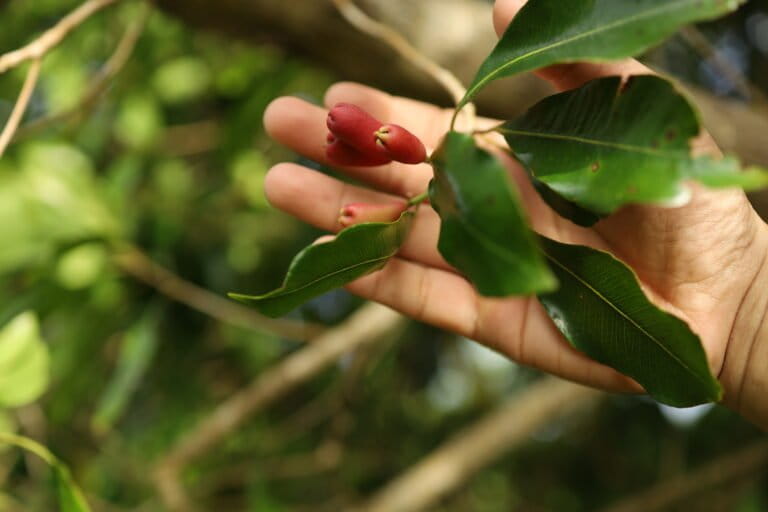
In Sabang City, Aceh, on Weh Island, the fragrant aroma of cloves once permeated the air during harvest season. However, this scent is now fading. Many clove trees are failing to flower and are dying. Sayuti, a clove farmer in Paya Seunara Village, Sabang City, reports that out of his 520 clove trees on four hectares of land, only 40 are expected to flower and yield a harvest this year. "Many other farmers' fields have not a single fruit. This year, many have had zero harvest," he stated. Over the past decade, clove harvests are no longer annual as they once were, and the trees now require more intensive care, including significant fertilization to prevent them from dying. Hendra, another clove farmer in Balohan Village, faces a similar plight. Ten of his 35 trees have died, and the remaining ones are producing sparse flowers. Previously, a single tree could yield around 7 kilograms of cloves, but this year the output is a mere 2 kilograms. "It's often like this. After the harvest, when the dry season arrives, many trees tend to die," Hendra said. Munar, the largest clove collector in Sabang City, has also experienced a decline in production. This year, he has collected approximately 110 tons, a significant drop from the usual 250 tons per season. Changes in the harvest cycle have also been noted. This situation highlights the severe impact of climate change on regional economies and traditional agricultural products. Cloves are a significant agricultural commodity for Sabang City, and a decline in their production could deal a blow to the local economy.
Original source
Mongabay Indonesia