General articles are free for 24 hours after publish.
Hanoi Plans Major Redevelopment Around Hoan Kiem Lake, Demolishing Iconic Structures
Hanoi is set to demolish and rebuild several iconic structures around Hoan Kiem Lake, replacing them with modern high-rise buildings and underground facilities. The plan aims to modernize the area while raising concerns about preserving historical landscapes.
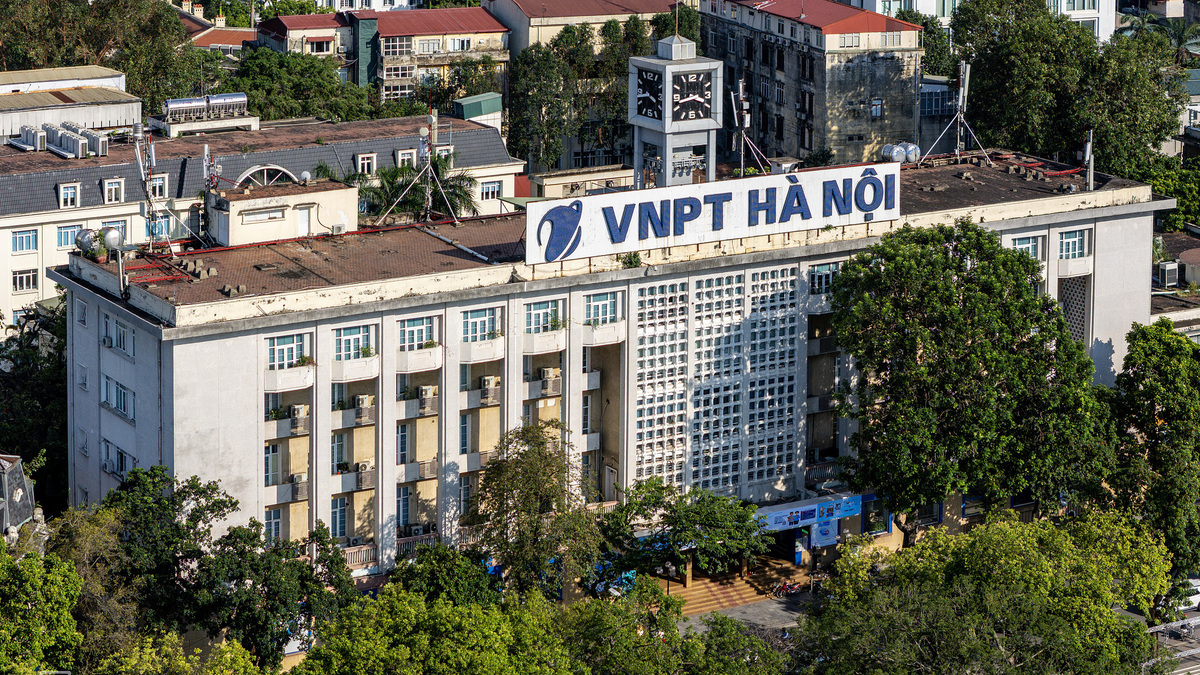
Hanoi is poised for a significant transformation around its iconic Hoan Kiem Lake, with plans to demolish and reconstruct several key structures. The city intends to tear down the former headquarters of the City People's Council and People's Committee, the Khan Quang Do Theater, and parts of the Children's Palace to make way for a new 9-story complex with four underground levels. According to the adjusted planning proposal for Hoan Kiem Lake and its surroundings, the Dong Kinh Nghia Thuc Square is slated for expansion to enhance connectivity with the lake and the eastern park. Consultants have proposed building a symbolic structure, inspired by the rising wings of a crane, to mark the end of the Old Quarter's urban axis and open up new spaces to the south. Hanoi will also focus on integrating ground-level transportation with underground spaces, linking Hoan Kiem Lake, the Grand Theater, the National Museum of Vietnamese History, and new development areas. The underground network is envisioned to be multi-functional, accommodating transport, parking, commercial activities, services, and cultural amenities. The square area is planned to feature 3.5 underground levels, connecting to the C9 underground station (TOD). In the former City People's Committee area, the plan involves demolishing the existing buildings, including the City People's Council and People's Committee headquarters, the Khan Quang Do Theater, and the Children's Palace. A new 9-story building with four underground floors will be constructed. Notably, three French colonial-era buildings—the Au Tri Vien, Kho Bac Dong Duong, and Toa Doc Ly—are proposed for preservation. The spatial organization will follow North-South and East-West axes, connecting the northern and eastern parks and squares, Ly Thai To Garden, and Hoan Kiem Lake. The Hanoi Post Office area may see the demolition of some unsuitable architectural works, with a suggestion to evoke the former Bao An Pagoda. The southeastern area of Hoan Kiem Lake is being studied for the development of small commercial spaces, cafes, and kiosks, emphasizing the Trang Tien street axis connecting the lake to the Grand Theater. The Nguyen Khac Can street to Trang Tien alleyway is planned to become a pedestrian zone, also improving access to the Vu Thach đình, đền, and chùa (communal house, temple, pagoda) complex from Hang Khay, Ba Trieu, and Hai Ba Trung streets. Around Revolution Square, the Grand Theater, and the National Museum of Vietnamese History, plans include connecting the squares, gardens, museum, and the eastern landscape architecture of Hoan Kiem Lake. The Trang Tien axis will link with the Red River's scenic boulevard. Behind the Grand Theater, an open cultural and artistic space with an outdoor stage is envisioned. The area of Ba Kieu Temple and the "Determined to Sacrifice for the Fatherland" monument is set for reconstruction and embellishment, enhancing connections with the Dinh Liet-Trang Tien area and suitable commercial and service spaces. The western side of Hoan Kiem Lake is being studied for extending Nha Tho street to the lake, connecting with Le Thai To street to create open spaces and pedestrian zones. The redevelopment of the New Hanoi Newspaper and printing house, and the City Police Investigation Agency at No. 2 Trang Thi and surrounding areas is also under consideration, including plans for a luxury hotel to serve tourism and socio-economic development. Hoan Kiem Lake and its surroundings hold exceptional historical, cultural, architectural, and landscape value for the capital. The revised planning aims to center the lake, expand connected spaces, reconstruct squares, parks, and community areas, embellish landmark structures, and enhance infrastructure, environment, and amenities for residents and visitors. Information Source: VnExpress
Original source
VnExpress