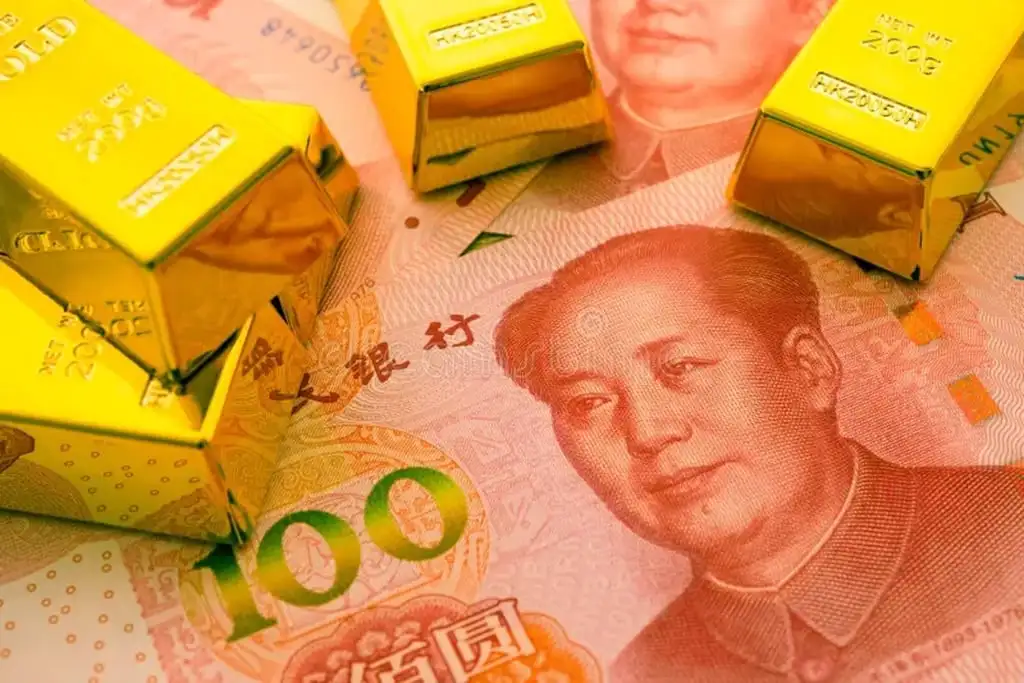
China's Largest Banks Halt Retail Gold Trading, Thai Impact Uncertain
China's major commercial banks are progressively shutting down retail paper gold trading, impacting individual investors with high-risk speculative positions. Direct effects on Thailand's market are expected to be limited, though international gold price movements warrant attention.
This article requires PRO
This article is outside the free access window or is a special report. PRO unlocks it and the full archive.
Related articles
- Royal Barge Procession Set for November 6 to Celebrate Queen's 48th Birthday
The Royal Thai Navy is preparing for a grand Royal Barge Procession on November 6 along the Chao Phraya River, involving 2,200 personnel and 52 ceremonial barges to celebrate Her Majesty the Queen's 48th birthday. Public rehearsals are scheduled for October 21 and 28.
- Thai Fitness Industry Faces Intensified Competition with New Facility Opening
Fitness First, a major fitness chain in Thailand, is set to open its new facility, 'Central Northville,' on October 16th. This opening is expected to intensify competition within Thailand's fitness market.
- GMM MUSIC Reports Over 2.16 Billion Baht in First-Half Revenue, Up 12.2%
GMM MUSIC, a major Thai entertainment conglomerate, announced its first-half revenue reached 2.1612 billion baht, marking a 12.2% increase year-on-year, indicating the success of its growth strategies.
- World Bank Lifts Thailand's 2026 Growth Forecast to 2%, Cautions on AI Adoption and Climate Risks
The World Bank has raised Thailand's 2026 growth forecast to 2.0% due to strong AI-related exports. However, it warns that slow domestic AI adoption and climate change-induced flood risks pose potential constraints to growth.