Myanmar interim president's Laos trip yields Mekong dam project and labor deal, but environmental damage and scam issues loom
Amidst military losses in northern Shan State and across the country, the interim president of Myanmar, Commander-in-Chief of the Armed Forces, secured agreements on Mekong River hydropower generation and the issue of My
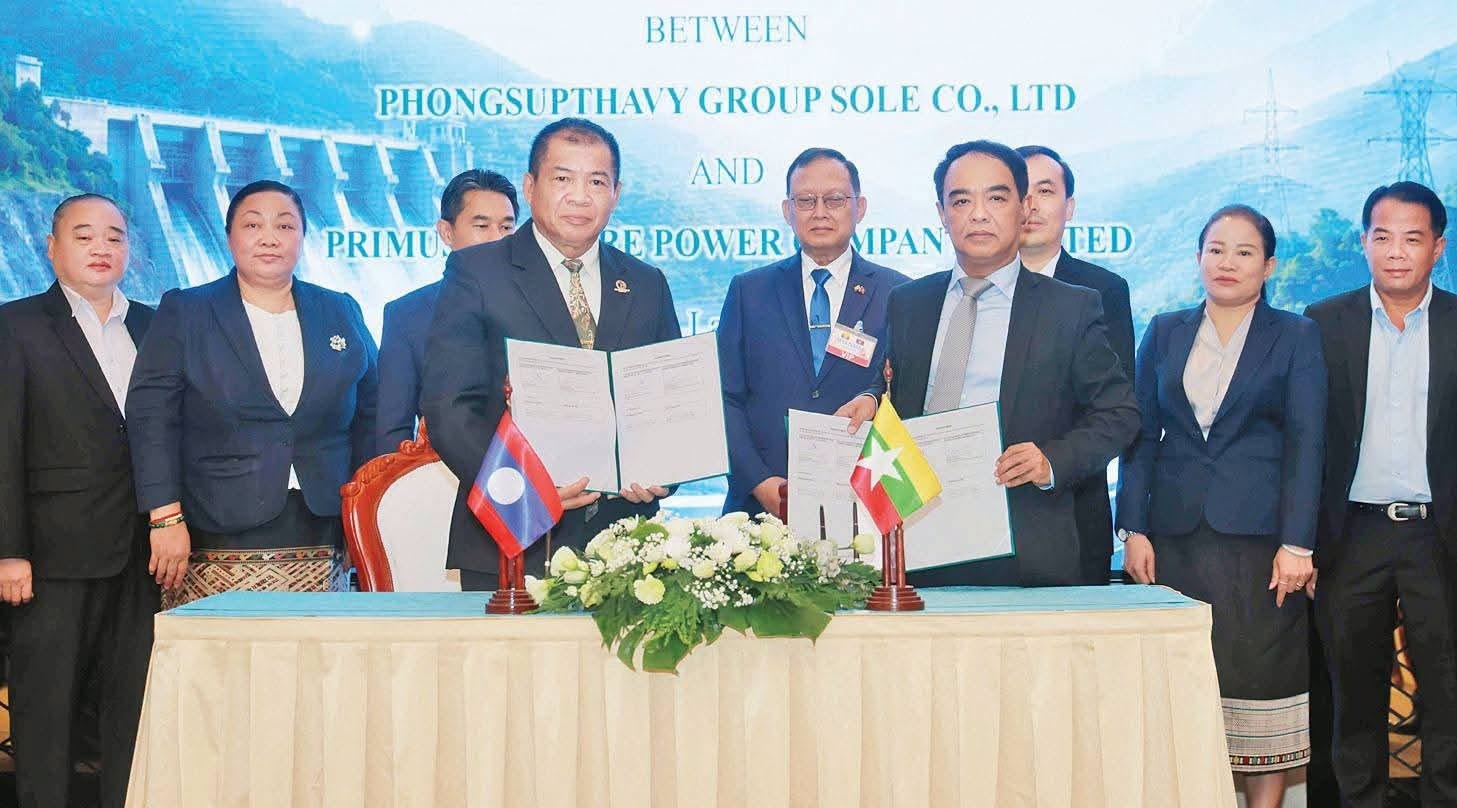
Amidst military losses in northern Shan State and across the country, the interim president of Myanmar, Commander-in-Chief of the Armed Forces, secured agreements on Mekong River hydropower generation and the issue of Myanmar workers in Laos during his three-day visit to Laos, according to Dr. Khine Khine Soe, Deputy Minister and spokesperson for the interim government. Laos, being a landlocked country, relies on the Mekong River for electricity generation and sells it to Vietnam, Thailand, and Cambodia. Therefore, Myanmar, with its four rivers, chose Laos to study electricity generation, he further stated. During the interim president's visit, a joint agreement was signed on a feasibility study for a Mekong River hydropower project on the border between the two countries. Under this agreement, Primus Sapphire Power Co., Ltd. from Myanmar and Phongsupthavy Group Sole Co., Ltd. from Laos will collaborate on the project, which has an estimated installed capacity of up to 2790 megawatts. They agreed to complete the studies within three years, it was learned. Primus Sapphire Power Co., Ltd. is majority-owned by coup leader generals or their family members. Hydropower projects are often opposed by environmental experts because they can restrict the natural flow of rivers, damage aquatic ecosystems, cause water pollution, and exacerbate the impacts of natural disasters, including forced displacement of local populations. Furthermore, during the visit, the interim president announced cooperation on issuing Certificates of Identity (CI) and protecting the rights of undocumented Myanmar workers in Laos. Since the military coup, a large number of young people and CDM participants have migrated to Laos for work. However, they are reportedly facing difficulties due to low wages and poor living conditions. "There are jobs like working in instant noodle factories, the salary is low, and food is scarce. Now, many young people are working in online scams (fraud). They are not doing well in regular factories because the salary is low. I also had to return because my job was not going well," a CDM youth who had been to Laos told the Irrawaddy Times. Although the interim president announced an agreement on labor issues during his visit to Laos, it is necessary for those currently working on the ground and young Myanmar people who are victims of human trafficking in scam operations to receive practical benefits and protection. Additionally, during the visit, discussions were held on operating air routes between Kyaing Tong and Luang Prabang, increasing border trade, and exchanging information in the fight against drugs and online fraud. Myanmar and Laos share a Mekong River border of nearly 240 kilometers, and regional observers state that illegal criminal activities related to the military have not yet been effectively suppressed. Photo – MOI, Mekong Commission
多角的分析
実務協力は短期の投資案件に直結しなくても、人材育成、技術移転、行政能力の底上げにつながる可能性があります。ただし制度透明性が低いままでは、協力の実効性は限定されます。
投資家にとっては、どの国との実務協力が残っているかがリスク評価の材料になります。外交接点の継続はプラス材料ですが、政治的正統性や制裁環境を切り離して見ることはできません。
ミャンマー北東部シャン州の生活者から見れば、国際協力は遠い話に見えます。だからこそ、Ayeyarwaddy Timesの報道では、合意文書ではなく環境に触れる具体策が出るかを追う必要があります。
市民にとっては、会談そのものよりも、雇用、教育機会、公共サービスの改善として実感できるかが焦点です。成果が見えなければ公式報道への信頼は高まりません。
背景・歴史的文脈
このニュースは、ミャンマー政府が対外関係を通じて行政分野の協力を維持しようとする動きです。国際的な孤立や制裁圧力が続く中でも、科学技術、教育、金融など実務分野の会談は、政府間チャネルを保つ意味を持ちます。
原文ソース
Ayeyarwaddy Times