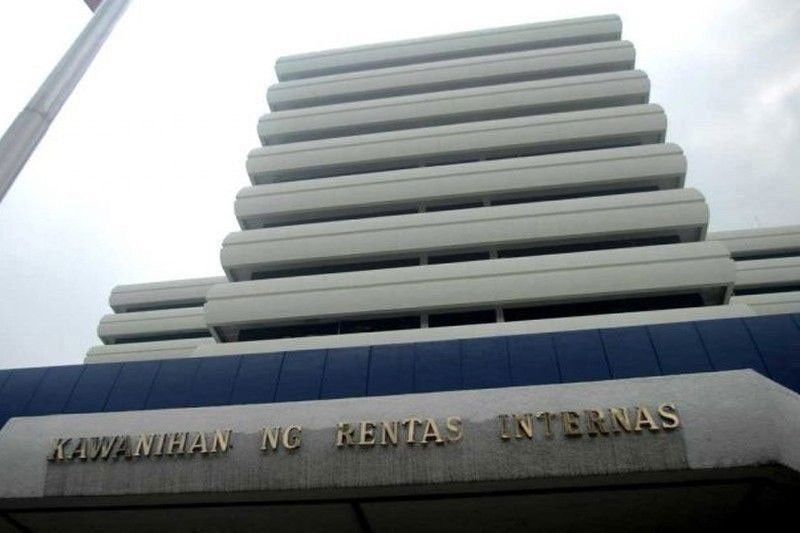
BIR Ramps Up VAT Collection Drive Amid Economic Headwinds
The Bureau of Internal Revenue (BIR) is intensifying its value-added tax (VAT) collection efforts for the current year, following a shortfall in its 2025 target. Despite concerns over slowing economic growth, inflation, and weakened consumer spending impacting tax revenues, the BIR aims to meet its goal by balancing stricter enforcement with taxpayer support.
MANILA, Philippines — The Bureau of Internal Revenue (BIR) is gearing up for a tougher value-added tax campaign this year after collections in 2025 fell short of the target, and with slower growth, weaker household demand, and volatile oil prices seen to weigh on revenues. BIR Commissioner Charlito Mendoza said the agency faces a “clearly more demanding” VAT goal this year but remains confident of hitting the P786.4-billion target, which is 15.7 percent higher than the actual take in 2025. “We are also realistic about the challenges. Slower growth, inflation, weaker consumer spending, oil-price movements, foreign exchange pressures and leakages from informal or cash-based transactions can affect VAT performance. These are the factors we have to monitor closely,” Mendoza told The STAR. The Philippines levies a 12-percent VAT, among the highest in the Association of Southeast Asian Nations (ASEAN), drawing persistent calls from the public and lawmakers to cut the rate to 10 percent to ease consumer costs during energy shocks. Despite this, the BIR official said the confidence of hitting the goal stems from strong domestic demand and business expansion. He noted that VAT is closely linked to economic activity, consumption, services, and business transactions. “At the same time, the BIR will continue to strengthen compliance through improved taxpayer monitoring, data matching, audit quality, digitalization, and closer attention to sectors where underdeclaration may occur,” he said. Mendoza said the direction is clear: fair enforcement, data-driven monitoring, and taxpayer-friendly compliance. “We will not meet the target by burdening compliant taxpayers. We will meet it by closing leakages, expanding the compliant base, improving audit quality, and ensuring that taxable transactions are properly reported,” he said. Meanwhile, VAT collections last year reached P679.8 billion or 22 percent of the overall BIR collection of P3.11 trillion. The figure was 3.9 percent below the P707.43-billion goal for last year but still 5.6 percent higher than the P643.85-billion actual take in 2024, boosted by the rollout of the VAT on digital services. According to the BIR’s annual report, among the reasons for missing the 2025 target were the hefty decline in revenues stemming from telecommunication market saturation, reduced consumer spending, and lower usage of traditional services. Other reasons were stiff competition in the sweetened beverages market, consumer shifts toward lower-priced alternatives, and higher input VAT resulting from increased importation of raw materials and foreign exchange rate pressures, the agency said. The BIR said lower cement prices after tariff cuts and weaker consumer demand for alcoholic drinks due to inflation and reduced disposable income are driving customers to shift to more affordable alcoholic beverages. It also cited reduced sugar output, the cessation of mineral operations, and the eventual closure of a major manufacturing facility as reasons for the below-target collection last year.
多角的分析
フィリピン国税庁(BIR)がVAT徴収強化に乗り出す背景には、昨年の目標未達という直接的な要因に加え、フィリピン経済が直面する構造的な課題がある。経済成長の鈍化、高インフレ、個人消費の低迷は、VATの基盤となる消費活動やサービス取引を直接的に抑制する。特に、インフレによる可処分所得の減少は、高価格帯の製品・サービスからの低価格帯へのシフトを促し、結果としてVATの課税ベースを縮小させる可能性がある。また、外国為替の変動は輸入原材料のコストを上昇させ、これが最終製品の価格に転嫁されることで、一部の消費財の需要をさらに冷え込ませるリスクも孕んでいる。BIRの目標達成は、これらのマクロ経済的逆風をいかに克服できるかにかかっている。
フィリピンにおけるVAT徴収強化の動きは、投資家にとって二重の意味合いを持つ。一方では、政府の財政健全化への取り組みとして、税収基盤の安定化は長期的な経済成長にとってプラスに働く可能性がある。特に、徴税強化が「閉鎖的な漏洩」や「申告漏れ」の是正に焦点を当てるのであれば、公平な競争環境の促進につながり、正規のビジネスを行う企業にとっては朗報となり得る。しかし他方で、徴収強化が過度な税務監査やコンプライアンス負担の増加を招く場合、特に中小企業や非公式経済セクターへの影響が懸念される。これは、企業活動のコスト増加や、不確実性の増大を通じて、新規投資や事業拡大への意欲を削ぐリスクもはらんでいる。投資家は、BIRの具体的な執行方法と、それがビジネス環境に与える影響を注視する必要がある。
VAT徴収強化の動きは、フィリピン国民、特に低・中間所得者層の生活に直接的な影響を与える可能性がある。12%という高いVAT率は、食料品や日用品などの必需品にも課税されるため、インフレが続く中で消費者の負担感を一層増大させる。メンドーサ長官は、納税者への負担増を避けると述べているが、徴収強化の過程で、特に非公式経済で働く人々や小規模事業者が、予期せぬ税務調査や追徴課税に直面するリスクは無視できない。また、通信サービスやデジタルサービスへのVAT導入は、情報アクセスやデジタル化の恩恵を受ける機会を、経済的余裕のない層から遠ざける可能性もある。国民の生活実感と、政府の財政目標との間で、いかにバランスを取るかが問われている。
フィリピン国税庁(BIR)がVAT徴収を強化する背景には、昨年の目標未達という事実がある。しかし、その裏側には、国民生活に直結する経済状況の厳しさがある。フィリピン経済は、成長の鈍化、高インフレ、そして個人消費の低迷に直面している。これは、国民が日々の生活で感じる物価上昇や、購買力の低下と表裏一体である。特に、VATは消費税の一種であり、その徴収強化は、国民が購入する商品やサービスに直接的に影響を与え、家計を圧迫する可能性がある。メンドーサ長官は、納税義務を果たしている人々への負担増はないと述べているが、税収漏れをなくし、申告漏れをなくすという方針が、どのように実行されるかが重要となる。国民としては、生活必需品への影響を最小限に抑えつつ、公平な税負担が実現されることを期待する。
背景・歴史的文脈
フィリピンにおけるVAT(付加価値税)は、1980年代後半の経済改革の一環として導入され、その後、税収基盤の強化と財政赤字の削減を目的として、税率の引き上げや課税範囲の拡大が度々行われてきた。特に、2005年のVAT税率引き上げ(10%から12%へ)は、国民生活への影響が大きかった。近年では、デジタル経済の進展に伴い、デジタルサービスへのVAT課税も議論され、導入されている。しかし、高いVAT税率は、ASEAN諸国の中でも比較的高く、国民生活への負担感から、税率引き下げを求める声も根強く存在する。今回のBIRによる徴収強化は、こうした背景の中で、経済成長の鈍化や税収目標未達という喫緊の課題に対応するための措置と言える。
原文ソース
Philstar Business