The Thai Gold Standard: Timeless Lessons in Buying Precious Metals
Thailand's widespread use of gold as a daily asset offers practical lessons for wise precious metal trading globally. Its transparent culture, standardized system, and community-based gold shops form a foundation of trust and clarity for buyers.
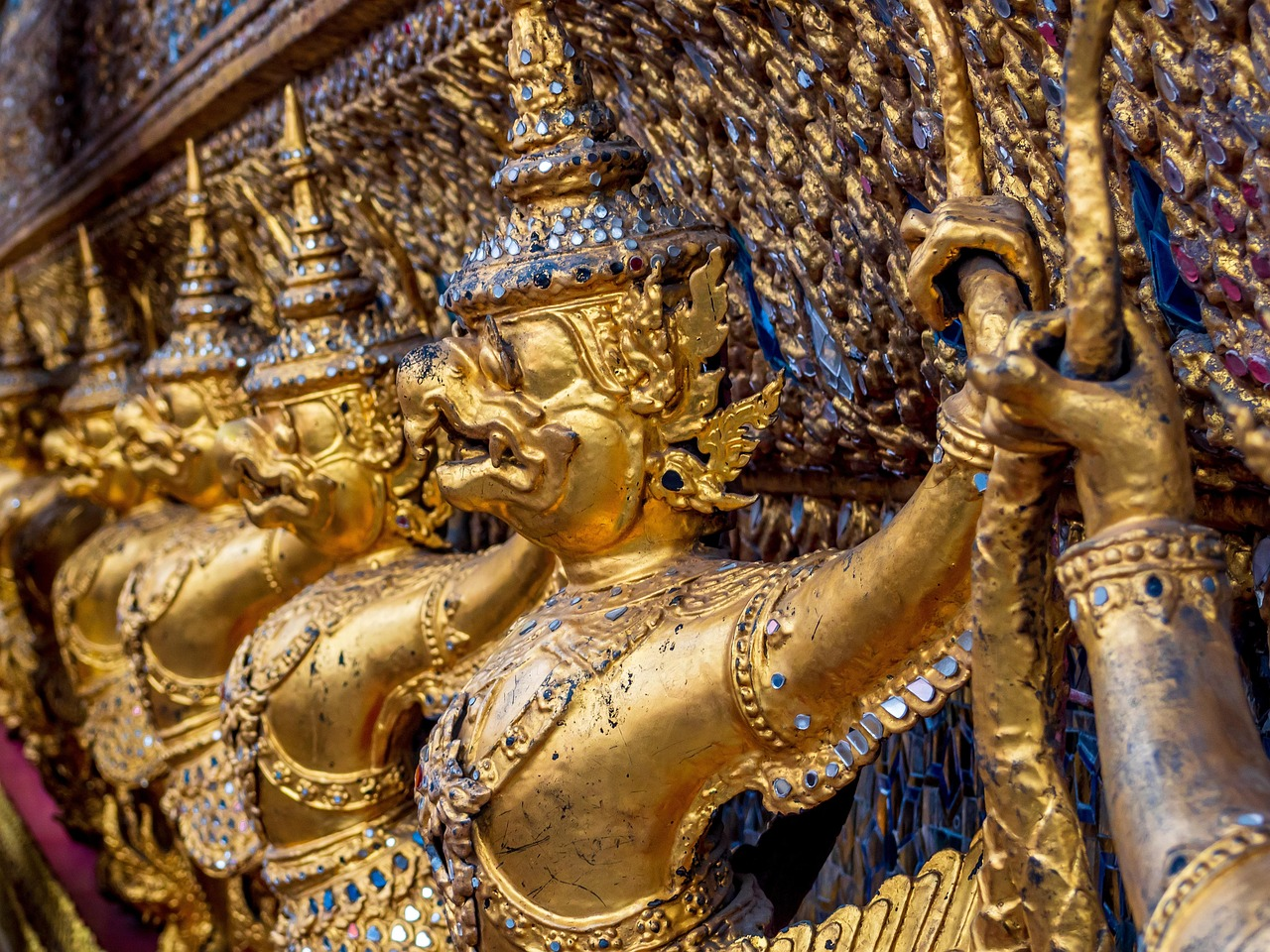
In Thailand, gold is not something you lock away and forget. It is money you can wear, and the way Thais buy, hold, and trade it offers practical lessons for anyone who wants to own precious metals wisely, including buyers in the United States. In much of the world, gold sits at a comfortable distance from daily life. It is a ring in a drawer, a coin in a safe, or a line on a portfolio statement. In Thailand, it lives much closer to the skin. Walk down Yaowarat Road in Bangkok’s Chinatown, or past the glowing shopfronts that anchor almost every provincial town from Chiang Rai to Hat Yai, and you will see gold treated as a parallel currency rather than an occasional luxury. People wear it to the market, give it at weddings, press it in wafer-thin leaf onto temple statues, and quietly cash it in when money runs short. That everyday closeness has produced one of the most disciplined and transparent gold cultures anywhere. Inside it sit lessons that travel well beyond Thailand’s borders, and they apply just as much to a first-time buyer in Texas as to a grandmother in Chiang Rai adding another chain to her savings. Thailand ranks among the largest gold-jewellery markets in the world, and the relationship runs deeper than fashion. For generations, gold has worked as a household savings account, especially for families with limited access to formal banking. A gold necklace is not only an ornament. It is wealth you can carry, pawn, or sell the same afternoon. When the economy wobbles, Thai families have long moved cash into gold and back again, using the metal as a personal hedge against inflation and currency swings. The cultural threads run everywhere. Gold features in the sinsod, the traditional dowry presented at a Thai wedding. Worshippers buy small squares of gold leaf to apply to Buddha images as an act of merit-making. And the gold shop itself, often a family-run Thai-Chinese business handed down through several generations, remains a fixture of community life, as familiar as the local market or temple. The first thing a newcomer notices is that Thai gold follows its own standard. Most jewellery sold in Thai shops is 96.5 percent pure, known locally as “965” gold or Tong Kam Hak Haa, which works out to roughly 23.16 karats. That is purer than the 22K (91.7 percent) gold common in India and the Gulf, yet a step below the 24K (99.99 percent) used for international investment bullion. The high standard is deliberate, because it keeps Thai gold soft, bright, and easy to value. The second surprise is the unit of weight. Thai gold is priced and sold by the baht, a measure of weight rather than the national currency that shares its name. One baht of gold weighs about 15.244 grams as bullion and a little less, around 15.16 grams, as jewellery. Roughly two baht-weights make a single troy ounce, and one baht divides into four salueng. The logic is powerful. When a whole country buys gold at one dominant purity and in one standard unit, every piece becomes easy to weigh, compare, and resell. Standardisation is the foundation of trust. This is where Thailand’s gold culture becomes genuinely useful to study. The Gold Traders Association of Thailand publishes an official reference price several times during the trading day, and every shop is expected to display the current rate and update its boards the moment the price moves. Those boards show two figures: a sell price, which is what you pay to buy, and a buy price, which is what the shop will pay to take the gold back. The gap between them is the spread, the shop’s margin, and under normal conditions it stays modest and openly posted. Jewellery carries one extra cost worth knowing about: a making fee for the craftsmanship, which you usually do not recover when you sell the piece back. That single detail teaches a discipline every precious-metals buyer should absorb, which is to separate the value of the metal itself from the premium you pay for design, branding, or workmanship. In Thailand, that line is printed on the wall. Elsewhere, you often have to work it out for yourself. Strip away the cultural specifics, and the Thai market shows the universal principles of buying any precious metal, whether gold, silver, platinum, or palladium, anywhere in the world: Those rules are easy to follow in Thailand, where the marketplace does much of the work for you. They matter far more in a country where it does not, and the United States is the clearest example. This is not an abstract concern for readers here, either. Plenty of Thais study, work, or run businesses in America, and plenty of American visitors fall for Thailand’s gold shops and want to keep buying once they fly home. The American gold market is huge and decentralised. Instead of one association price posted in every window, buyers face thousands of independent coin shops, online bullion retailers, pawnbrokers, and national dealers, each setting its own prices and premiums. Purity is quoted in karats and in .999 fineness rather than in a single national standard, and there is no Yaowarat where reputation has been built brick by brick over a century. In that environment, the work of vetting a seller falls almost entirely on the buyer. The good news is that the same instincts Thai families have relied on for generations still work in America. You simply have to apply them more deliberately. Here is a practical checklist for finding a trusted gold dealer in the United States. Follow that list, and you recreate, deal by deal, the transparency a Thai buyer takes for granted. It would be easy to read Thailand’s devotion to gold as charming nostalgia. It is anything but. Physical gold endures for the same practical reasons it always has. It is tangible, it carries no counterparty risk, it is portable across borders, and it is recognised and valued in almost every culture on earth. A 965 necklace glinting in a Chiang Rai window and a one-ounce bar resting in a vault on the other side of the world are the same promise at heart, a store of value that does not depend on any government, bank, or balance sheet to stay worth something. That is the real lesson of the Thai gold standard. It has little to do with exotic units of weight or an unusual level of purity. It has everything to do with treating gold seriously: understanding what you are buying, knowing what you are paying, and trusting only those who let you see clearly before you commit. Buy on those terms, in Bangkok or in Boston, and you are buying the way a country that has lived with gold for centuries has always known to. It means the piece is 96.5 percent pure gold and 3.5 percent other alloys, the standard set by Thailand’s Gold Traders Association for most jewellery. It is roughly equivalent to 23.16 karats, purer than the 22K gold common in India and the Middle East but below the 24K used for international bullion. By the baht-weight, a unit equal to about 15.244 grams (not the currency).
多角的分析
タイの金文化は、公式な金融システムへのアクセスが限定的な層にとって、伝統的な貯蓄手段として機能してきた。これは、インフレや通貨変動に対するヘッジとして、物理的な資産を重視する経済的習慣を示している。標準化された純度(96.5%)と重量単位(バーツ)は、取引コストを削減し、市場の流動性を高めることで、経済的効率性を向上させている。また、金価格の透明な表示は、消費者の信頼を醸成し、市場への参加を促進する。
タイの金市場における標準化と透明性は、海外投資家にとって魅力的な要素となり得る。特に、米国のような分散化された市場と比較して、タイの「965」規格と「バーツ」単位は、投資判断を容易にする。しかし、宝飾品に付随する製作費は、純粋な地金投資とは異なるプレミアムが発生するため、投資家は金属自体の価値と加工費を区別する必要がある。これは、投資対象の特性を理解することの重要性を示唆している。
タイにおける金の普及は、単なる金融取引を超え、社会的な慣習や信仰と深く結びついている。結婚の際の持参金や、寺院への奉納といった文化的側面は、金が社会的な絆や精神的な価値の象徴であることを示している。また、地域に根差した家族経営の金店は、コミュニティの信頼できるハブとして機能しており、社会的なつながりを強化する役割も担っている。これは、経済活動が社会構造と密接に連携しているタイの姿を映し出している。
タイ国民にとって、金は日々の生活に密着した資産である。特に地方や低所得層にとっては、銀行口座を持てない場合でも、金は容易に現金化できる貯蓄手段となる。例えば、急な出費が必要になった際に、ネックレスを質入れしたり売却したりすることは、多くのタイ人にとって身近な選択肢だ。この「持ち運べる通貨」としての金の性質は、国民の経済的な安心感に寄 وくしている。
背景・歴史的文脈
タイにおける金の普及は、歴史的に、公式な金融システムへのアクセスが限定的であったこと、そしてインフレや通貨不安に対する伝統的なヘッジ手段としての必要性から育まれてきた。特に、タイ・中国系のコミュニティが、金の取引と加工技術を伝承する上で中心的な役割を果たしてきた。第二次世界大戦後、経済成長と共に、金は単なる富裕層の資産から、一般家庭の貯蓄手段へとその役割を広げた。タイ金商取引協会は、市場の透明性を確保し、信頼を醸成するために、価格設定や規格の標準化を進めてきた。これにより、タイの金市場は、世界でも類を見ないほど、日常的かつ信頼性の高いものとなった。
原文ソース
Chiang Rai Times