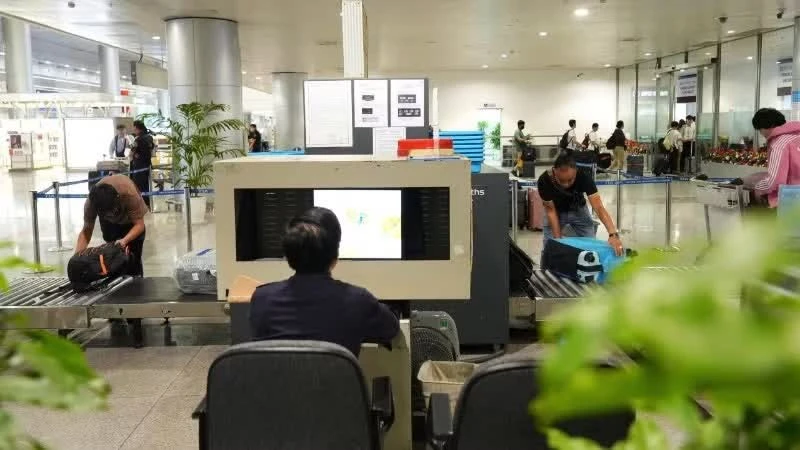
Vietnam Streamlines VAT Refund for International Tourists with Enhanced Data Connectivity
Vietnam's Ministry of Finance has issued a new decree significantly overhauling the VAT refund process for international tourists. The reforms aim to expedite and increase transparency by strengthening data integration with the electronic invoice system.
Vietnam's Ministry of Finance has announced a significant overhaul of the Value Added Tax (VAT) refund process for international tourists, effective July 1, 2026. The new Circular (84/2026/TT-BTC), replacing previous regulations (72/2014/TT-BTC and 92/2019/TT-BTC), emphasizes enhanced data connectivity, electronic invoice processing, and decentralized authority. The updated regulations mandate data integration between the VAT refund management system for foreigners and the tax authorities' electronic invoice system. Customs and tax agencies will issue standardized data message formats to facilitate information exchange between these systems. Retailers eligible for VAT refunds will be required to upload their invoices and refund declarations, generated on the electronic invoice system, to the customs system. This digital process offers authorities an additional data source for verifying the consistency of refund claims, compared to traditional paper-based checks. The scope of locations for refund procedures has also been expanded to include company sales points, in addition to airports and seaports, aiming to improve convenience for tourists. Responsibilities among stakeholders are clearly defined: selling businesses are accountable for invoice and declaration information, while commercial banks will disburse refunds after customs verification. While the eligible recipients for refunds remain unchanged, the method of information exchange and verification among parties is substantially altered. The success of these new regulations hinges on the timely and accurate updating of data from the point of sale, which will be crucial in determining whether the refund process at airports and seaports becomes genuinely faster and more convenient for international visitors. This reform is seen as part of the government's efforts to improve administrative efficiency and boost tourism revenue. Under the new provisions, the VAT refund management system for foreigners will be connected to the tax authorities' electronic invoice system. Customs and tax agencies will issue standardized data message formats to facilitate information exchange between the two systems. When the Customs Department's electronic data processing system becomes operational, businesses providing VAT refunds must upload invoices and refund declarations, created on the tax authority's electronic invoice system, to the system and transmit them to Customs. Businesses will then print invoices for buyers. Invoices printed from the system will be accepted as electronic invoices. In cases of errors in the invoice and refund declaration, businesses must adjust or replace them according to regulations on invoices and documents. When departing passengers present a revised or replaced invoice, Customs will cross-reference information on their passports or international travel documents with the data transmitted by the business to the system. Data will also be checked against the tax authority's electronic invoice system and the conditions for eligible goods under Decree 181/2025/ND-CP. Compared to checks primarily based on physically presented invoices, the system-based cross-referencing provides authorities with more data to ensure the consistency of the application. The Circular stipulates that customs agencies are responsible for connecting the VAT refund management system for foreigners with the tax authority's electronic invoice system, as well as inspecting goods and invoices as required. Selling businesses are accountable for the information on the invoice and refund declaration. Commercial banks will process refund payments after customs has completed verification and confirmation. The Circular also adds business locations to the list of places where VAT refunds can be registered, aligning with the Enterprise Law. For commercial banks acting as refund agents, the Circular requires that a bank can only terminate its operations after Customs has selected a replacement bank. This measure aims to prevent disruptions in refund payments at airports or seaports. The selection and termination of commercial banks as refund agents are decentralized to Customs Departments. These departments will also receive and process requests for implementing VAT refunds at international airports and seaports. Circular 84/2026/TT-BTC specifically outlines the procedures for selecting, suspending, and terminating VAT refund operations at international airports and seaports for the first time. Airports or seaports wishing to organize refund services must submit a written request to the Customs Department, including an assessment of economic efficiency and management capability. Within 30 days of receiving the request, Customs will issue a notice regarding the implementation of refunds at that location. If refund operations are found to be economically inefficient or no longer meet management requirements, Customs may decide to suspend or terminate them. This new regulation provides a basis for considering each location individually, rather than automatically implementing refunds at all international airports or seaports. The areas for inspecting goods and refund invoices/declarations will be located within the baggage check-in area or boarding pass inspection area. These areas must have sufficient space for goods inspection, dedicated counters or kiosks, and meet safety and order requirements. Placing inspection points before baggage check-in is crucial, as goods for refund must be presented for customs inspection before the buyer leaves Vietnam. After the application and goods are confirmed, customers receive their money at the commercial bank's counter. Refund payment points will be situated in the quarantine area of international airports or the refund area of international seaports. Payment counters must comply with regulations for cash and accounting document management. The inspection and payment process is clearly divided into two stages: inspection before baggage check-in or vehicle boarding control; and payment in the area for passengers who have completed exit procedures. The Circular also clarifies the roles of each entity in the process: selling businesses issue invoices and transmit data; tax authorities connect and provide invoice information; customs inspects buyers, applications, and goods; and commercial banks disburse refunds. Circular 84/2026/TT-BTC does not change the eligible recipients for refunds but significantly alters how parties exchange and verify information. With invoices linked between the Tax and Customs systems, departing passengers will no longer be the sole carriers of information from the store to the border. The effectiveness of the new process will depend on the complete, accurate, and timely updating of data from the sales stage. This will also determine whether refunds at airports and seaports are truly faster and more convenient for international tourists.
多角的分析
ベトナム政府は、観光客の利便性向上と外貨獲得の促進を目的として、VAT還付手続きのデジタル化と効率化を進めている。電子インボイスシステムとの連携強化は、還付プロセスの透明性を高め、不正還付のリスクを低減させる効果が期待される。これは、ベトナム経済のサービス部門、特に観光産業の持続的な成長を支えるための重要なインフラ整備と言える。一方で、システム導入・運用コスト、および中小規模の販売業者におけるITインフラ整備の負担が課題となる可能性がある。
今回のVAT還付手続きの刷新は、ベトナムを訪れる外国人観光客の購買意欲を刺激し、結果として小売業やサービス業への投資を間接的に後押しする可能性がある。特に、高級品や免税品を扱う店舗、および空港や港湾周辺の商業施設にとっては、手続きの簡便化が売上増加に繋がる要因となりうる。国際的な観光客の体験向上は、ベトナムの国際的なイメージ向上にも寄与し、長期的な投資環境の改善に繋がるだろう。
この新規定は、ベトナムを訪れる外国人観光客の体験を直接的に向上させる。従来煩雑であったVAT還付手続きが、データ連携と電子化により迅速かつ簡便になることで、観光客の満足度が高まる。これは、ベトナムの国際的な観光地としての魅力を高めるだけでなく、ハノイやホーチミンなどの主要都市における観光客の消費行動にも影響を与えるだろう。一方で、地方の小規模な土産物店など、ITインフラの整備が遅れている事業者が、この新しいシステムにどのように対応していくかが課題となる。
外国人観光客の還付手続きが効率化されることは、ベトナム国民の税務当局や税関に対する信頼感を高める可能性がある。また、観光産業の活性化は、雇用創出や地域経済の活性化に繋がり、国民生活の向上に貢献することが期待される。特に、観光地周辺に住む人々にとっては、地域経済の活性化は直接的な恩恵をもたらすだろう。しかし、システム導入に伴う初期投資や、それに伴う税務・税関職員の研修・教育といった人的コストも考慮する必要がある。
背景・歴史的文脈
ベトナムでは、経済成長と国際社会への統合を進める中で、観光産業の振興が重要な政策課題となっている。特に、外国人観光客の消費を促進するため、付加価値税(VAT)還付制度は長年運用されてきた。しかし、従来の紙ベースの手続きは煩雑で時間を要し、観光客の満足度低下や不正還付のリスクといった課題を抱えていた。2015年以降、ベトナム政府は電子インボイスの導入を推進し、行政手続きのデジタル化を進めており、今回のVAT還付手続きの刷新は、その一連の流れの中で、観光客の利便性向上と行政効率化を両立させるための最新の取り組みである。
原文ソース
Nhan Dan