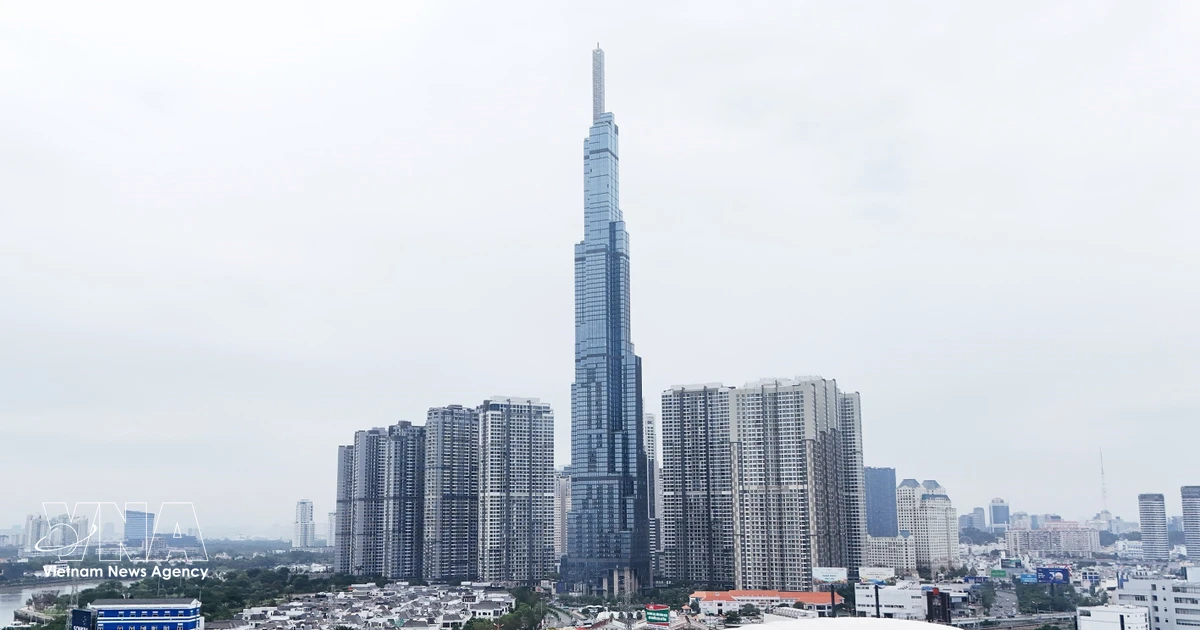
Ho Chi Minh City to Enhance Cooperation with China in AI, Autonomous Vehicles
Technology
2026年6月29日
5
VietnamPlus English
Relations
🇻🇳Vietnam🇨🇳China🇯🇵Japan🇺🇸United States

Ho Chi Minh City to Enhance Cooperation with China in AI, Autonomous Vehicles

AI サマリー

Ho Chi Minh City is strengthening cooperation initiatives with Chinese enterprises in areas such as AI, autonomous vehicles, and smart mobility. This is part of the city's strategy to enhance its role as a regional service hub and bolster its position in global supply chains.

Ho Chi Minh City, Vietnam's southern economic hub, has announced nine cooperation initiatives with Chinese enterprises across sectors including artificial intelligence (AI), autonomous vehicles, smart mobility, high-tech healthcare, smart agriculture, smart urban centres, green materials, robotics, digital transformation, and innovation-driven finance. This move is part of the city's strategy to leverage new development space created after administrative mergers and position itself as a modern regional megacity and a value-added services hub. This strategy is considered a core growth pillar to strengthen the city's role in global service supply chains. Under Vietnam's one-party system, economic growth and international cooperation are national priorities, and collaboration in advanced technology sectors in economically vital cities is seen as contributing to the nation's technological advancement and international competitiveness. The enhanced cooperation with China suggests Vietnam's pursuit of diverse partnerships for economic development amidst a complex geopolitical landscape. China is a significant trading partner for Vietnam, and economic ties are deep. However, Vietnam also faces tensions with China over issues such as the South China Sea, requiring a balance between economic cooperation and security concerns. Ho Chi Minh City's new vision, known as VPS 2.0, is built on three core principles: creating value for the community, promoting decentralized leadership, and empowering individuals and teams to drive positive impact. This indicates a focus not only on economic growth but also on social inclusivity and sustainability. While Vietnam's economic growth has been remarkable, social challenges also exist. For instance, efforts to combat human trafficking are being emphasized, mobilizing the entire political system, ministries, local authorities, and the public based on a Prime Minister's program looking towards 2026-2030, with a vision to 2035. This highlights the recognition of the importance of social justice and human rights protection alongside economic development. Information Source: VietnamPlus English

多角的分析

経済的影響

ホーチミン市がAIや自動運転などの先端技術分野で中国企業との協力を強化する動きは、ベトナム経済の構造転換とグローバルサプライチェーンにおける付加価値向上を目指す戦略を反映している。中国からの技術移転や投資は、ベトナムの製造業高度化やサービス産業の発展を後押しする可能性がある。しかし、これは同時に、技術依存のリスクや、中国経済の動向に左右される脆弱性も内包している。ベトナム政府は、経済成長を最優先しつつも、技術主権の確保や、過度な中国依存を避けるための多角的な国際協力の推進が求められる。

投資家心理

ベトナム、特にホーチミン市におけるAIや自動運転といった先端技術分野での中国との協力拡大は、投資家にとって新たな機会とリスクの両方をもたらす。中国企業との提携は、市場アクセスや技術導入の迅速化につながる可能性がある一方、地政学的なリスクや、ベトナム国内の規制・政策変更のリスクも考慮する必要がある。投資家は、これらの分野におけるベトナムの長期的な成長ポテンシャルを見極めつつ、中国との関係性や、ベトナム政府の産業育成・リスク管理能力を慎重に評価する必要があるだろう。

社会的影響

ホーチミン市がAIや自動運転といった先端技術分野で中国との協力を強化する一方で、人身売買対策や、高齢者の政策決定への参加促進など、社会的な課題への取り組みも並行して進められている。これは、ベトナム社会が経済成長と社会的公正のバランスを模索していることを示唆している。特に、AIや自動運転技術の導入は、雇用構造の変化や、都市部と地方の格差拡大といった新たな社会課題を生み出す可能性があり、これらの技術が社会全体に恩恵をもたらすための政策的配慮が不可欠となる。

市民の声

ホーチミン市が中国とAIや自動運転分野で協力することは、市民にとっては、将来的な雇用機会の創出や、より高度なサービス(例:スマートモビリティによる移動の効率化)へのアクセス向上といった恩恵をもたらす可能性がある。しかし、同時に、これらの技術革新がもたらす雇用への影響や、データプライバシー、サイバーセキュリティといった新たな懸念も生じうる。ベトナム政府は、市民がこれらの変化に適応し、技術革新の恩恵を享受できるよう、教育・訓練機会の提供や、社会保障制度の整備を進める必要がある。

背景・歴史的文脈

ベトナムは1986年のドイモイ(刷新)政策以降、市場経済を導入し、急速な経済成長を遂げてきた。特にホーチミン市は、南部経済の中心地として、外国投資を積極的に誘致し、製造業、サービス業、IT産業などが発展してきた。中国はベトナムにとって最大の貿易相手国であり、経済的な結びつきは強い。しかし、南シナ海問題などを巡る歴史的・地政学的な緊張関係も存在するため、ベトナムは経済的恩恵と安全保障上の懸念との間で、慎重なバランス外交を展開している。近年、ベトナムは中国一辺倒ではなく、日本、米国、欧州などとの関係を多角化し、サプライチェーンの分散化を図っている。

原文ソース

VietnamPlus English

原文を読む