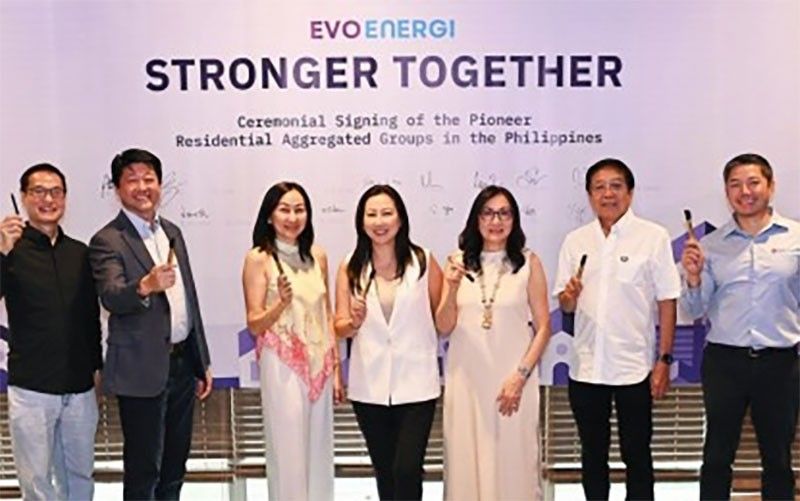
EvoEnergi Opens Metro Manila Homes to Retail Electricity Market
Philippine power retailer EvoEnergi has facilitated the entry of residential consumers into the competitive electricity market through its retail aggregation program (RAP). This allows households to collectively reach a threshold for direct contracting, previously limited to large users, offering more consumers access to competitive electricity pricing.
MANILA, Philippines — EvoEnergi, a power retailer under the Lao family’s D&L Group, has facilitated the entry of two residential retail aggregation groups into the contestable electricity market. Through the retail aggregation program (RAP), the company now supplies power to these groups, which comprise nine households in Quezon City and 13 homes in San Juan. Under RAP, small electricity consumers within the same franchise area can pool their demand to collectively reach the 100-kilowatt (kW) threshold, allowing them to directly contract their preferred supplier. “This is more than a market milestone; it is a major leap forward in achieving the core objectives of the Electric Power Industry Reform Act,” EvoEnergi president Julian Lao said yesterday. For years, only large electricity users were allowed to directly negotiate their power supply. That changed last week when the Energy Regulatory Commission (ERC) implemented a lower contestability threshold under the retail competition and open access program, reducing the requirement to 100 kW from 500 kW. The same threshold now also applies to RAP, widening access to competitive electricity pricing for more consumers. “Through the ERC’s RAP, the collective demand of residents creates stronger purchasing power, unlocking customized energy solutions that would otherwise be out of reach for individual households,” Lao said. Building on this milestone, EvoEnergi is looking to facilitate the RAP switch of more residential customers across Metro Manila. It is also closely working with homeowners, community leaders, Manila Electric Co., the Independent Electricity Market Operator of the Philippines and the ERC to ensure a seamless transition throughout the onboarding process. Earlier this year, Golden Arches Development Corp., the master franchise holder of McDonald’s in the Philippines, tapped EvoEnergi to power over 200 McDonald’s stores in Luzon.
多角的分析
フィリピンの電力市場における小売自由化の進展は、競争の促進と消費者への恩恵をもたらす可能性がある。特に、ERCがコンテスタブル電力の閾値を引き下げたことは、これまで大口顧客に限定されていた電力供給事業者との直接交渉の機会を、より多くの住宅消費者に広げる。これにより、電力料金の低下や、再生可能エネルギーなどの多様な電力源へのアクセス向上につながることが期待される。しかし、RAPの普及には、消費者の理解促進や、インフラ整備、契約手続きの簡素化が不可欠であり、これらの課題への対応が今後の市場拡大の鍵となる。
この動きは、フィリピンの電力セクターにおける新たな投資機会を示唆している。電力小売自由化の拡大は、EvoEnergiのような小売業者だけでなく、再生可能エネルギー事業者や、電力効率化ソリューションを提供する企業にとっても追い風となる。投資家は、ERCの規制緩和の動向や、Meralcoのような既存の配電事業者との連携、さらには消費者の需要動向を注視する必要がある。特に、住宅アグリゲーションの成功事例が増えれば、同様のビジネスモデルへの関心が高まるだろう。
メトロ・マニラの一部の住宅では、電力料金の節約や、より持続可能なエネルギー源への切り替えといった選択肢が広がる可能性がある。9世帯や13世帯といった小規模なグループでも、需要をまとめることで交渉力を高められる点は、個々の家庭では実現困難なメリットをもたらす。しかし、RAPへの参加には一定の理解と手続きが必要であり、情報格差やデジタルデバイドが、参加できる層とそうでない層を生む可能性も指摘される。特に、地方部や低所得者層への恩恵がどのように広がるかが課題となる。
これまで大口顧客にしか開かれていなかった電力市場への扉が、一般家庭にも開かれたことは、多くのフィリピン市民にとって朗報と言える。特に、電気料金は家計を圧迫する要因の一つであり、より有利な条件で電力を調達できる可能性は、経済的な負担軽減に直結する。しかし、RAPへの参加には、情報収集や手続きが必要となるため、全ての市民が容易にメリットを享受できるわけではない。特に、高齢者や情報アクセスが限られる層へのサポート体制の構築が望まれる。
背景・歴史的文脈
フィリピンの電力産業改革法(EPIRA)は、2001年に制定され、電力セクターの垂直統合を解消し、競争を促進することを目指した。当初は発電・送電・配電・小売の各部門を分離し、競争原理を導入したが、小売部門におけるコンテスタブル(競争対象)な電力の閾値は長らく500kWに設定されており、一般家庭や中小企業は直接的な電力供給事業者との契約が困難だった。今回のERCによる閾値100kWへの引き下げは、EPIRAの当初の理念に沿った、小売市場へのアクセス拡大に向けた重要な一歩である。これは、より多くの消費者が電力料金の選択肢を得られるようにするための、規制緩和の一環と位置づけられる。
原文ソース
Philstar Business