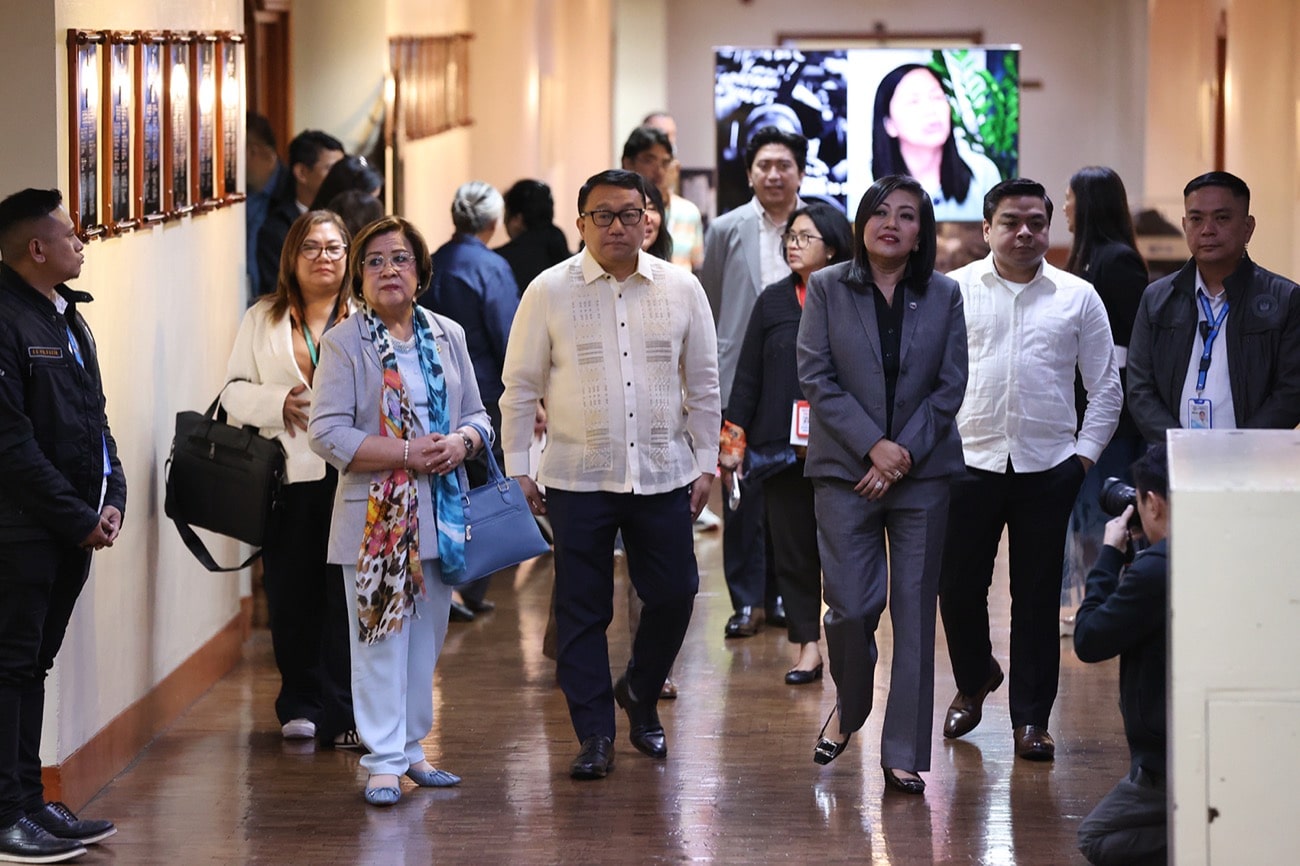
House prosecutors may seek lower conviction threshold for Sara Duterte's impeachment trial
The House prosecution team in the Philippines may seek to lower the threshold of Senate votes needed to convict Vice President Sara Duterte, a move aimed at ensuring a fair trial amid potential senator absences.
MANILA, Philippines – The House prosecution team may seek to lower the threshold needed to convict Vice President Sara Duterte in her impeachment trial “at the appropriate time,” its adviser Robert Ace Barbers said on Wednesday. At least two-thirds of the Senate must find Duterte guilty of alleged wrongdoing for her to be convicted, and Batangas Rep. Gerville Luistro may raise the threshold question “at some point” to settle the topic, according to Barbers, a former lawmaker who is now advising the prosecution panel. Calling it an “important issue” in the upcoming trial, he said the Senate impeachment court must settle the vote requirement, adding that the matter could also be elevated to the Supreme Court for resolution. He did not elaborate, describing it as a “legal issue.” “At the appropriate time, I’m sure congresswoman Jinky, being the lead prosecutor of the prosecution panel, will definitely raise this issue,” he said in a media briefing, referring to Luistro by her nickname. Barbers’ remarks echoes Luistro’s earlier opinion that the vote count for convicting Duterte should be lowered from 16 if more senators are unable to participate in the proceedings, which is set to begin on July 6. “There’s a point in lowering the conviction threshold,” Barbers said. “It’s not a wise decision for a judge to decide on a case that he can’t participate in.” A 1949 Supreme Court ruling that defines a Senate majority based on members whose attendance can still be compelled should be used as a basis for the vote threshold, he said. “If some members are not under the coercive jurisdiction of the Senate, then it should be adjusted,” said Barbers. Under the 1987 Constitution, conviction in an impeachment trial requires the concurrence of at least two-thirds of all members of the Senate. With a full Senate membership of 24, that translates to 16 votes. The idea to lower the numbers to convict Duterte sprouted as dwindling membership in the 24-man upper chamber casts uncertainty over the availability of senators to sit as judges in her impeachment trial. The Senate’s ranks have already shrunk, with Sen. Ronald “Bato” dela Rosa in hiding amid fears of his arrest under an International Criminal Court warrant and Sen. Jinggoy Estrada detained over a plunder case linked to the multibillion-peso flood control scandal. Another senator, Rodante Marcoleta, faces a possible plunder case tied to his alleged failure to disclose P75 million in campaign donations, with the Office of the Ombudsman preparing the charge in what would be a nonbailable offense. “Where can you find a judge that will decide on a big and important case in which they didn’t see the evidence, that they can’t appreciate and see the demeanor of the witnesses, and that they did not hear the answers to the allegations,” said Barbers. He also said the 11-man prosecution team will also seek clarification from the Senate impeachment court on its requests to unseal a container holding Duterte and her husband, lawyer Maneses Carpio, tax records, and to allow private prosecutors question witnesses. Prosecutors will likely file their comment on the Senate’s pretrial order, which was released on Monday, before the trial commences next week, he added. Duterte, twice impeached over allegations ranging from threats against President Ferdinand Marcos, Jr. and his family to unexplained wealth and misuse of confidential funds, faces an impeachment trial that will unfold amid an increasingly turbulent political landscape. /mr
多角的分析
弾劾裁判は、現職副大統領という要職にある人物を対象としており、その結果はフィリピンの政治的安定性に直接影響を与える。政治的不安定性は、国内外からの投資意欲を減退させ、為替レートの変動や株価の下落を招く可能性がある。特に、副大統領が公金不正や説明責任の欠如で有罪となれば、政府の透明性や説明責任に対する信頼が低下し、経済政策の実行力にも疑問符が付く。これは、フィリピン経済の成長見通しに悪影響を及ぼし、海外からの直接投資(FDI)や、フィリピンからの輸出にも影響を与えることが懸念される。
投資家にとって、弾劾裁判は政治リスクの顕著な指標となる。有罪評決の閾値引き下げの議論は、裁判の公正性や予見可能性に対する懸念を生じさせる。これは、法制度への信頼を揺るがし、投資判断における不確実性を高める。特に、外国からの直接投資(FDI)を検討している企業は、法的な安定性と政治的な予測可能性を重視するため、このような状況は投資を躊躇させる要因となり得る。また、フィリピンの株式市場や債券市場においても、政治的緊張の高まりはネガティブな影響を与える可能性がある。
副大統領の弾劾裁判は、国民の政治への関心を高める一方で、政治的分断を深める可能性もはらんでいる。有罪評決の閾値引き下げの議論は、裁判の正当性や公平性に対する国民の疑問を招く可能性がある。特に、裁判のプロセスや結果が、一部の国民にとって不公平だと感じられた場合、社会的な不満や抗議活動につながることも考えられる。また、弾劾裁判の長期化は、国民の注意を経済問題や社会福祉といった喫緊の課題からそらし、公共の利益に資する議論を停滞させる恐れもある。
弾劾裁判における有罪評決の閾値引き下げの議論は、一般市民、特に政治に関心のある層に、裁判の公平性や透明性に対する疑問を抱かせる可能性がある。もし、一部の議員の欠席を理由に閾値が引き下げられ、有罪評決が出された場合、それは「多数派による少数派の抑圧」と見なされ、国民の間に不信感を生むかもしれない。また、副大統領という国民の代表者に対する裁判は、多くの市民が政治プロセスへの参加意識を持つきっかけとなる一方で、その結果がどのように導かれるかによって、政治への信頼が大きく左右される。
背景・歴史的文脈
フィリピンにおける弾劾制度は、大統領、副大統領、最高裁判事、憲法機関の長官などを公職から罷免するための強力な手段である。1987年憲法第11条に基づき、弾劾訴追は下院が行い、有罪・無罪の評決は上院が行う。有罪評決には、上院議員の3分の2以上の賛成が必要とされる。過去には、ジョセフ・エストラダ元大統領や、グロリア・マカパガル・アロヨ元大統領(後に大統領として弾劾訴追は回避)らが弾劾裁判に直面したことがある。これらの事例は、フィリピンにおける政治的緊張と権力闘争の激しさを反映しており、弾劾手続きがしばしば政治的な駆け引きの場となることを示している。
原文ソース
Inquirer NewsInfo