Cambodia's Banking Sector Shifts Focus from Quantity to Quality for Sustainable Growth
Business
2026年7月7日
6
Cambodia Investment Review
Relations
🇰🇭Cambodia🇨🇳China

Cambodia's Banking Sector Shifts Focus from Quantity to Quality for Sustainable Growth

AI サマリー

Khemara Ros, Executive Director of the Association of Banks in Cambodia, announced the country's banking sector is entering an era of 'better credit,' shifting focus from expanding loan volumes to directing capital towards productive sectors. While maintaining strong capital and liquidity, emphasis will be placed on financing manufacturing and export-oriented businesses.

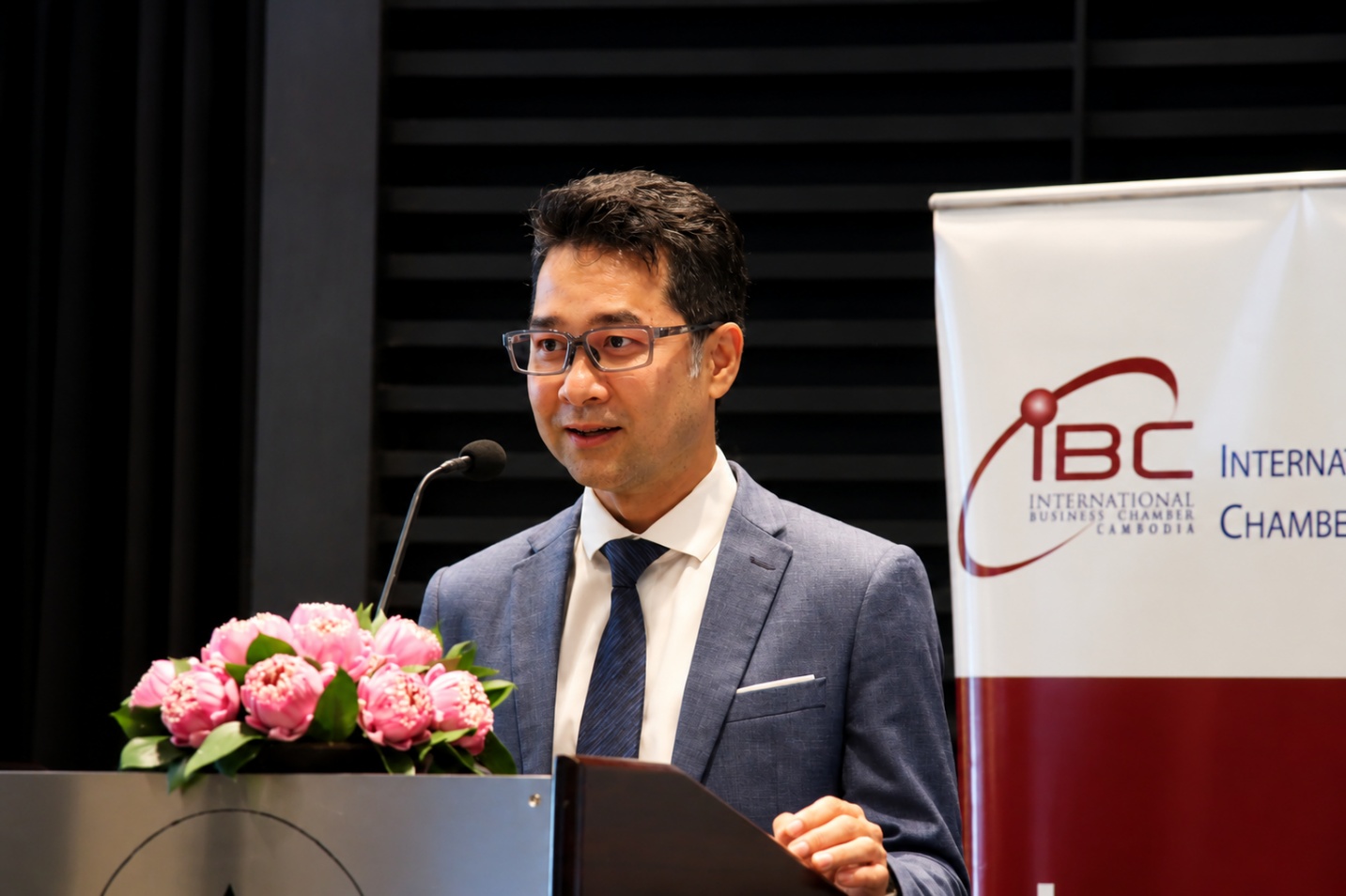
Khemara Ros, Executive Director of the Association of Banks in Cambodia (ABC), outlined a new phase for the country's banking sector, emphasizing a shift from expanding credit volumes to directing capital towards productive sectors that strengthen the economy. Speaking at the International Business Chamber (IBC) 6-Month Industry Review & Outlook for 2026, Ros presented an optimistic assessment of the financial sector's resilience and a roadmap for sustainable growth. Ros highlighted that Cambodia's banking system remains well-capitalized and highly liquid, capable of supporting the nation's economic ambitions. However, the next growth opportunity lies in financing businesses and projects that generate lasting value. "The answer is not simply more credit. It is better credit," he stated, defining the next banking growth cycle. Despite a projected GDP growth of 3.9% for 2026, banks continue to operate from a position of considerable financial strength, supported by robust regulatory buffers and prudent risk management. The sector maintains a Capital Adequacy Ratio (CAR) of around 22% and a Liquidity Coverage Ratio (LCR) of approximately 179%, indicating financial institutions are well-equipped to support businesses, households, and investment activity. Cambodia's financial system has matured significantly, entering a more disciplined growth stage. The next chapter of banking development should focus on improving the quality of lending. Ros identified priority areas for financing with the greatest economic impact: manufacturing and industrial investment, foreign direct investment (FDI), export-oriented businesses, supply chain development, infrastructure projects, and well-managed small and medium-sized enterprises (SMEs). This strategic allocation of capital can strengthen Cambodia's productive economy and support employment, investment, and long-term growth. While the overall banking system remains resilient, a changing economic environment is prompting banks to be more selective in their lending decisions. This reflects a more mature approach to risk management, particularly visible in segments like SMEs, tourism, transport, and property-related businesses facing pressures from higher energy costs and global uncertainty. Rather than withdrawing support, banks are working with customers to enhance repayment capacity and restructure viable loans to ensure financing continues to support sustainable business growth. Looking ahead, Ros pointed to reforms that could further strengthen the financial sector and improve capital efficiency. These include the continued development of Asset Management Companies (AMCs), improvements to collateral recovery mechanisms, and further expansion of Cambodia's capital markets. These initiatives would enable financial institutions to recycle capital more efficiently, freeing up resources for new investment opportunities. Digital finance and sustainable finance were also identified as key areas for future growth. As Cambodia's financial ecosystem evolves, technology offers opportunities for responsible access to finance and improved efficiency. Simultaneously, sustainable finance is expected to play a crucial role in helping businesses invest in cleaner technologies and long-term resilience, potentially broadening financing options beyond traditional sectors. Ros described an industry that has evolved significantly over the past decade. With strengthened capital buffers and maintained financial stability through various economic challenges, Cambodia's banking sector is well-positioned to support the country's next phase of economic development. The focus is increasingly on promoting responsible lending, prudent risk management, and financing sectors capable of generating sustainable economic value. For businesses, access to finance remains available, particularly for projects with sound fundamentals and clear long-term growth potential. Cambodia's banking industry is positioned as a key partner in the nation's continued economic transformation. With strong capital levels, ample liquidity, and a sophisticated approach to lending, the sector is well-placed to support investment, entrepreneurship, and private sector expansion as Cambodia enters the latter half of 2026.

多角的分析

経済的影響

カンボジアの銀行セクターが、信用供与量の「量」から「質」へと重点を移すことは、同国の経済構造の高度化と持続可能性を追求する上で極めて重要である。過去の急速な経済成長は、しばしば信用拡大に依存してきたが、これは非生産的な部門への過剰な資金流入や、将来的な不良債権リスクを高める可能性があった。今回示された「より良い融資」への移行は、製造業、輸出、インフラといった、より長期的な経済成長と雇用創 تحسينに貢献する分野への資金配分を優先するものであり、これはカンボジアがバリューチェーンの上位に進み、より付加価値の高い経済を構築しようとする戦略と合致する。例えば、過去の不動産バブルや、一部のSMEにおける資金繰りの悪化といった事例を踏まえ、より厳格な審査とリスク管理が求められることになる。これは、短期的な成長鈍化を招く可能性もあるが、長期的にはより強固で安定した経済基盤を築くための不可欠なステップであると言える。

投資家心理

カンボジアの銀行セクターが「より良い融資」へと舵を切ることは、投資家にとって、より選別的ではあるが、長期的に安定したリターンを期待できる環境が整いつつあることを示唆している。これまでのような単純な信用拡大を前提としたビジネスモデルは、収益性が低下する可能性がある。しかし、製造業、輸出関連、インフラといった生産性の高い分野への融資が増加することは、これらのセクターへの投資機会が増えることを意味する。特に、外国直接投資(FDI)やサプライチェーン開発への支援強化は、国際的なサプライヤーや製造業者にとって、カンボジアでの事業展開を後押しする材料となるだろう。一方で、不動産や一部のSMEセクターへの融資が慎重になることは、これらの分野への投資リスクを慎重に評価する必要があることを示している。投資家は、企業の財務健全性、事業計画の実現可能性、そして長期的な成長ポテンシャルをより重視する必要がある。

社会的影響

銀行セクターの融資方針の転換は、カンボジア社会の雇用構造や所得格差に間接的な影響を与える可能性がある。製造業や輸出関連産業への融資強化は、これらの分野での雇用機会を創出する可能性があるが、同時に、これらの産業で求められるスキルセットを持たない人々は、新たな機会を得るのが難しくなるかもしれない。また、不動産関連事業への融資が抑制されることで、建設業や関連サービス業での雇用が一時的に不安定になる可能性も考えられる。中小企業(SMEs)への融資がより選別的になることは、小規模事業者の資金調達を困難にし、経営の持続可能性を脅かすリスクも孕んでいる。一方で、インフラプロジェクトへの投資は、公共サービスの改善や地方経済の活性化に繋がる可能性があり、国民生活全体の底上げに貢献することも期待できる。社会全体としては、より専門性の高いスキルや、持続可能なビジネスモデルを持つ企業が恩恵を受ける構造へと移行していくと考えられる。

市民の声

カンボジア市民、特に中小企業経営者や労働者にとっては、銀行の融資方針の変化は直接的な影響を及ぼす可能性がある。これまで比較的容易に融資を受けられていた事業も、今後はより厳格な審査基準をクリアする必要が出てくるだろう。製造業や輸出関連の仕事に就く機会は増えるかもしれないが、それ以外の分野、例えば観光業やサービス業で働く人々にとっては、景気変動の影響を受けやすくなる可能性がある。また、不動産関連の仕事に携わる人々は、市場の動向に一層注意を払う必要が出てくる。一方で、インフラ整備が進むことで、地方の生活環境が改善されたり、新たなビジネスチャンスが生まれたりする可能性もある。市民は、自身のスキルや事業内容を、変化する経済状況に合わせて見直し、適応していくことが求められるだろう。

背景・歴史的文脈

カンボジアの銀行セクターは、ポル・ポト政権崩壊後の混乱期を経て、1990年代以降、国際社会の支援も受けながら再構築が進められてきた。当初は小規模な金融機関が中心だったが、経済成長と共に外国銀行の参入も進み、近年は預金・貸出残高ともに急速に拡大してきた。特に、2000年代後半以降の中国からの投資拡大と連動し、不動産開発やインフラ分野への融資が活発化した。しかし、この急速な信用拡大は、一部で過剰債務や不良債権のリスクを高める懸念も指摘されてきた。今回の銀行協会の発表は、こうした過去の教訓を踏まえ、持続可能な経済発展のために、融資の質と生産部門への配分を重視する方針へと転換を図る動きと捉えることができる。これは、カンボジアが経済発展の初期段階から、より成熟した段階へと移行しようとする意思表示でもある。

原文ソース

Cambodia Investment Review

原文を読む