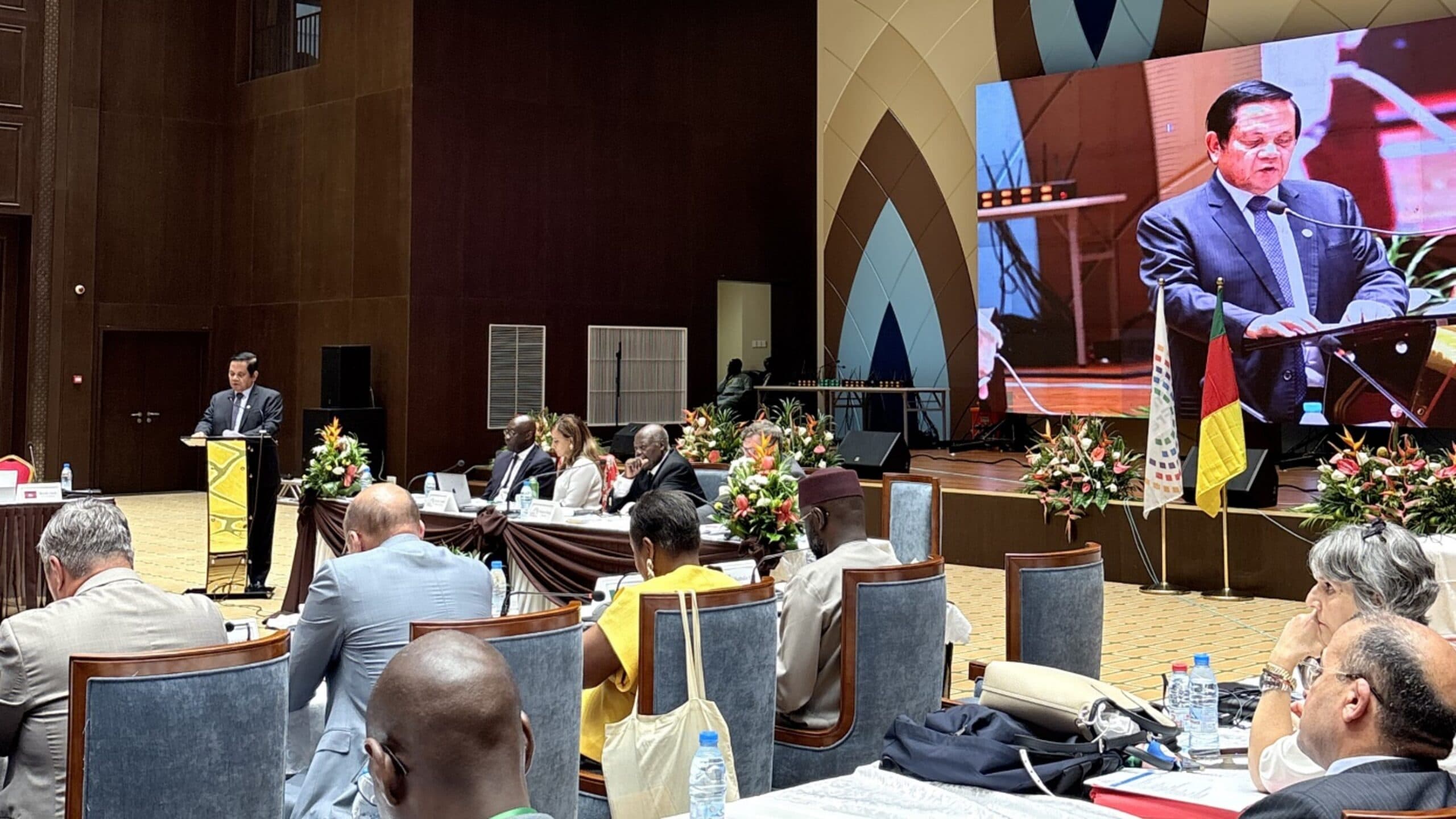
Cambodia Alleges Thai Border Violations to Francophone Parliament
A Cambodian Senate official has accused Thailand of violating Cambodian sovereignty along the border and attempting to alter the status quo. He informed the Francophone Parliament that Thailand has suspended Joint Boundary Commission activities, hindering dispute resolution.
Ouch Borith, First Vice-President of the Cambodian Senate and Vice-President of the Parliamentary Assembly of the Francophonie (APF), has detailed alleged Thai violations of Cambodian sovereignty along the border during an APF Executive Committee meeting. He accused Thailand of dishonesty in evading its duties to the Joint Boundary Commission (JBC) following Cambodia's decision to seek a resolution via the UN Convention on the Law of the Sea (UNCLOS). Borith informed the APF that since the ceasefire agreement on December 27, 2025, Cambodia has fully respected its commitments. However, he stated that Thai forces have continued unilateral activities within Cambodian sovereign territory, including land clearing, installing razor wire and shipping container barricades, surrounding civilian villages, reinforcing military positions, and constructing permanent infrastructure. He also cited the organization of religious ceremonies at Cambodian heritage temples and the destruction or replacement of religious statues. These actions, Borith argued, contradict Article 5 of the 2000 Memorandum of Understanding (MOU) and the commitment to de-escalate tensions stipulated in the Joint Statement of December 27, 2025. He further asserted they are inconsistent with the legal framework defined by the 1904 and 1907 Conventions and Treaties, as interpreted by ICJ judgments. The Cambodian official warned that Thailand's attempts to create a "fait accompli" undermine the integrity of the legal framework and damage conditions for a peaceful resolution, highlighting the suffering of tens of thousands of displaced civilians and severe damage to the UNESCO-listed Preah Vihear Temple. Regarding Thailand's unilateral cancellation of the 2001 MOU on overlapping maritime claims, Borith explained that Cambodia exercised its right to request the UNCLOS conciliation procedure. He accused Thailand of using this initiative as an excuse to suspend JBC meetings, a purely technical mechanism that should not be linked to political considerations. Cambodia, he emphasized, has always adhered to legal principles, dialogue, and multilateral mechanisms for dispute resolution and appealed to the Francophone Parliament to pay close attention to the worrying situation along Cambodia's western border.
多角的分析
タイによる国境地帯での一方的な現状変更の試みは、カンボジア経済、特に国境地域での商業活動やインフラ開発に直接的な影響を与える可能性がある。紛争の長期化や緊張の高まりは、投資家のリスク認識を高め、カンボジアへの直接投資を抑制する要因となり得る。また、インフラ建設や宗教施設の破壊は、観光資源への打撃となり、カンボジアの観光収入にも悪影響を及ぼす可能性がある。
タイによる「既成事実」作りは、カンボジアの法的な権利と国際的な合意に基づく紛争解決プロセスを損なうものであり、投資家にとって予見可能性を低下させる。国境紛争の不安定化は、特に国境地域での事業展開を計画している企業や、インフラ開発に関心のある投資家にとって、重大なリスク要因となる。JBCの活動停止は、問題解決の遅延を意味し、投資環境の悪化につながりかねない。
国境地帯でのタイによる一方的なインフラ建設や宗教儀式の実施は、カンボジア国民の感情を刺激し、両国間の国民感情の悪化を招く可能性がある。特に、破壊されたり交換されたりした宗教施設は、カンボジア国民にとって精神的な支柱であり、その被害は深い傷となる。また、避難民の発生と住居への帰還不能は、社会的な不安定化を招き、人道的支援の必要性を高める。
国境でのタイによる一方的な活動は、カンボジア国民、特に国境付近に住む住民の生活に直接的な不安と影響を与えている。土地の占拠やインフラ建設は、住民の居住権や財産権を脅かす可能性があり、物理的な被害や避難を余儀なくされるケースも発生している。これは、単なる政治的な対立に留まらず、現場住民の生活基盤を揺るがす深刻な問題である。
背景・歴史的文脈
カンボジアとタイの国境紛争は、特にプレアヴィヒア寺院周辺で長年続いてきた。1904年と1907年のフランス植民地時代の条約に基づく国境線画定が、両国間の解釈の違いを生んでいる。2008年のプレアヴィヒア寺院の世界遺産登録を機に緊張が高まり、2011年にはICJが寺院周辺の管理権についてカンボジアに有利な判断を下したが、国境地帯全体の紛争解決には至っていない。2025年12月27日の停戦合意は、地域的仲介によって実現したが、タイ側の継続的な一方的行動が、その後の平和的解決プロセスを阻害しているとカンボジアは主張している。
原文ソース
Phnom Penh Post