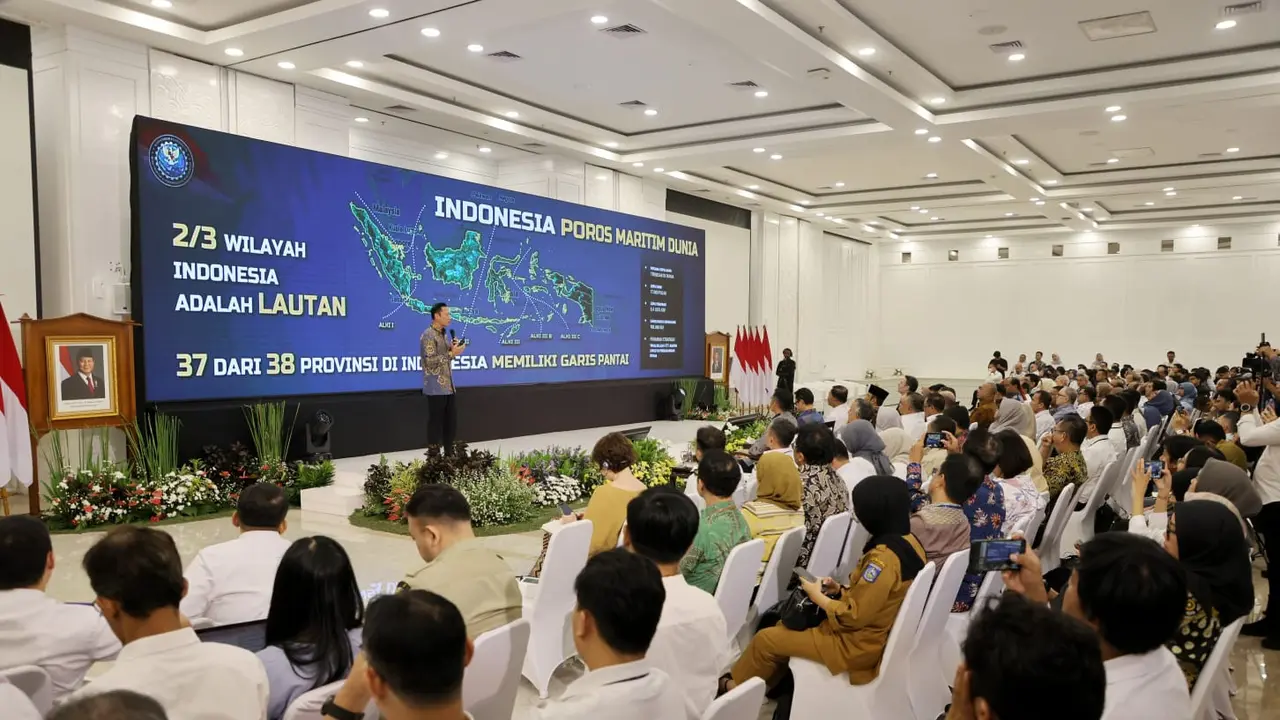
Jakarta Faces Crisis from Sea Level Rise and Land Subsidence; Minister AHY Proposes Giant Sea Wall
Indonesia's capital, Jakarta, is facing a critical situation due to sea level rise and severe land subsidence, putting coastal areas at risk of storm surge damage. Coordinating Minister Agus Harimurti Yudhoyono (AHY) has proposed the construction of a giant sea wall spanning 500-700 kilometers, alongside short-term measures like mangrove rehabilitation.
Coordinating Minister for Human Development and Cultural Affairs, Agus Harimurti Yudhoyono (AHY), stated that Jakarta is the most affected area by rising sea levels and emphasized the need for serious handling of the situation. AHY explained that Jakarta is the most affected region due to rising sea levels and land subsidence caused by excessive groundwater extraction and the increasing burden of urban development. He stated this in Jakarta on Monday (13/7/2026). He emphasized that spatial planning issues must be seriously monitored to prevent misuse, ensuring clean water and maintaining its capacity as a source for households and industries. AHY believes that if this is realized, it will significantly reduce the potential for flooding in downstream areas and mitigate the pressure from rising sea levels, which creates the threat of tidal floods that loom over coastal communities. "(The threat of tidal floods) can cause damage not only to communities living on the north coast but also to industries and areas that should be growing into a good economy," said the Coordinating Minister for Human Development and Cultural Affairs. Therefore, his party intends to build a giant sea wall along the northern coast of Java. The length of this sea wall construction is around 500-700 kilometers, with an estimated cost of US$80 billion or around Rp 1.298 trillion, and a construction period of 15-20 years. In the short term, the government offers a more natural approach, such as rehabilitating mangroves as natural fortresses, which is a priority. These efforts are made to save people and the environment. "Ultimately, the first thing to save is the human being, the impact is longer. If the sea wall breaks, we build it again, repair the sea wall, but can building and repairing the sea wall directly secure our people and give them opportunities to do better business? Well, this is something that must be carefully calculated," said AHY. Read the latest and most trusted news on Berita Liputan6 Source: Liputan6
多角的分析
ジャカルタの地盤沈下と海面上昇は、インフラへの多大な投資を必要とします。巨大防潮堤建設には巨額の費用がかかり、その経済的負担は計り知れません。また、沿岸部の浸水は産業活動を麻痺させ、経済成長に深刻な影響を与える可能性があります。地下水利用の規制強化は、水資源管理と産業用水の確保というトレードオフを生むでしょう。
ジャカルタのインフラ問題は、不動産投資家にとって大きなリスク要因です。沿岸部の資産価値は、浸水リスクの高まりとともに低下する可能性があります。一方で、防潮堤建設や水資源管理関連のインフラプロジェクトへの投資機会も生まれると考えられます。しかし、プロジェクトの長期性と巨額の資金調達、そして政府の実行能力が投資判断の鍵となります。
海面上昇と地盤沈下は、ジャカルタの低所得者層や沿岸部に居住する人々にとって最も深刻な脅威です。高潮による家屋の浸水や移住を余儀なくされる事態は、生活基盤を揺るがします。マングローブ植林のような自然保護策は、環境保全と地域住民の生計維持に貢献する可能性がありますが、その効果は長期的な視点での継続的な取り組みが不可欠です。
ジャカルタ市民、特に沿岸部に住む人々は、将来への不安を抱えています。高潮による浸水被害は、日常生活や生計に直接的な影響を与えます。政府が提案する巨大防潮堤建設は、一部の住民にとっては安心材料となるかもしれませんが、その建設に伴う移住や生活の変化、そして莫大な税金の使用に対する懸念も生じるでしょう。マングローブ植林は、環境への配慮を示すものとして好意的に受け止められる可能性がありますが、その効果が実感できるまでには時間がかかります。
背景・歴史的文脈
ジャカルタの地盤沈下は、1970年代から顕著になり始めました。急速な都市化と人口増加に伴い、地下水を過剰に汲み上げたことが主な原因とされています。これにより、一部地域では年間数センチメートルの速度で地盤が沈下しており、海抜ゼロメートル以下の地域も存在します。海面上昇は地球温暖化の影響で進行しており、この二つの要因が重なることで、ジャカルタの沿岸部は深刻な浸水リスクに直面しています。過去にも高潮による被害は度々報告されており、政府はこれまでも排水システムの改善や小規模な防潮堤の建設などの対策を講じてきましたが、抜本的な解決には至っていません。
原文ソース
Liputan6