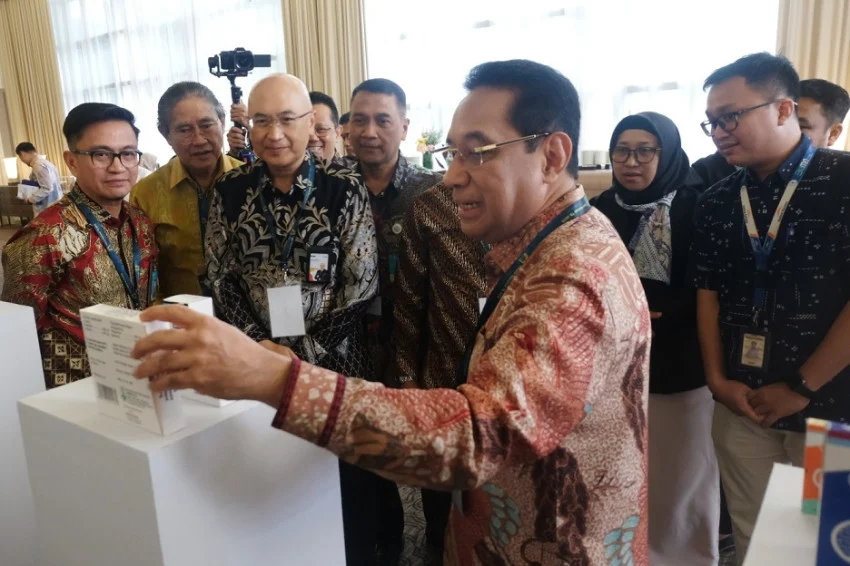
Indonesia Prepares Integrated Ecosystem to Strengthen TB Eradication Mission by 2030
Society
2026年7月14日
3
Sindonews

Indonesia Prepares Integrated Ecosystem to Strengthen TB Eradication Mission by 2030

AI サマリー

The Indonesian Tuberculosis Fund (KAEF) is developing an integrated ecosystem to achieve the national goal of eradicating tuberculosis by 2030. This initiative aims to streamline and enhance TB control efforts, covering diagnosis, treatment, and prevention.

The Indonesian Tuberculosis Fund (KAEF) is preparing to build an integrated ecosystem to achieve Indonesia's national target of eradicating tuberculosis by 2030. This initiative aims to streamline and maximize the effectiveness of TB control efforts by linking the entire process, including diagnosis, treatment, and prevention of tuberculosis. Indonesia is one of the countries with a high incidence of tuberculosis, and the government has positioned tuberculosis control as a national priority. The integrated ecosystem led by KAEF is expected to strengthen collaboration between healthcare facilities, communities, and related organizations, facilitating information sharing and optimizing resource allocation. This is expected to improve issues such as delayed patient discovery and treatment interruption, which have been challenges in TB control. While detailed activities and specific numerical targets for this matter await further information, KAEF's strategy could be a significant step forward in Indonesia's public health sector.

多角的分析

経済的影響

結核撲滅という公衆衛生目標の達成は、長期的に見て医療費の抑制や労働生産性の向上に繋がり、経済全体にプラスの影響を与える。特に、結核は生産年齢人口に罹患することが多いため、その撲滅は経済活動の活性化に寄与する。KAEFによる統合エコシステム構築は、そのための効率的なリソース配分とサービス提供を可能にし、経済的便益を最大化する狙いがあると推測される。

投資家心理

結核撲滅目標は、直接的な投資機会を創出するわけではないが、公衆衛生の改善は国の安定性と将来的な経済成長への信頼を高める。投資家にとっては、医療インフラ、医薬品、診断技術関連企業への間接的な投資機会を示唆する可能性がある。また、政府が公衆衛生に注力する姿勢は、ESG投資の観点からもポジティブに評価されるだろう。

社会的影響

結核は依然としてインドネシア社会において、特に貧困層や過密地域で大きな健康問題となっている。KAEFの統合エコシステムは、診断へのアクセス向上、治療の継続支援、そして予防策の普及を通じて、これらの脆弱なコミュニティの健康格差の是正に貢献することが期待される。患者やその家族の生活の質の向上、そして地域社会全体の健康増進に繋がるだろう。

市民の声

結核患者やその疑いのある人々は、診断から治療完了まで、医療機関へのアクセスや継続的な通院に困難を抱える場合がある。統合エコシステムが実現すれば、よりスムーズな受診プロセス、地域に根差したサポート、そして早期発見・早期治療が可能になり、患者の負担軽減に繋がる。また、感染リスクの低減は、地域住民全体の安心感にも寄与する。

背景・歴史的文脈

インドネシアは、世界でも結核罹患率の高い国の一つであり、長年にわたり公衆衛生上の大きな課題となっている。特に、広大な国土と地域間の医療格差、そして人口の多さが対策を複雑化させてきた。政府はこれまでも結核対策を主要政策の一つとして掲げ、国際機関やNGOと連携しながら、診断・治療体制の拡充に努めてきた。しかし、患者の発見の遅れ、治療の中断、薬剤耐性菌の出現など、依然として多くの課題が残されている。2030年結核撲滅という目標は、これらの課題を克服し、より包括的かつ効率的なアプローチへと転換しようとするインドネシア政府の強い意志を示すものである。

原文ソース

Sindonews

原文を読む