LRT-2 Commuters Can Now Tap or Scan to Pay for Trips
Culture
2026年7月13日
4
GMA Money Philippines

LRT-2 Commuters Can Now Tap or Scan to Pay for Trips

AI サマリー

The Light Rail Transit Line 2 (LRT-2) in the Philippines has officially launched its automated fare collection system, allowing commuters to tap their Visa or Mastercard or scan a QR code for payment, enhancing convenience and pushing digital adoption.

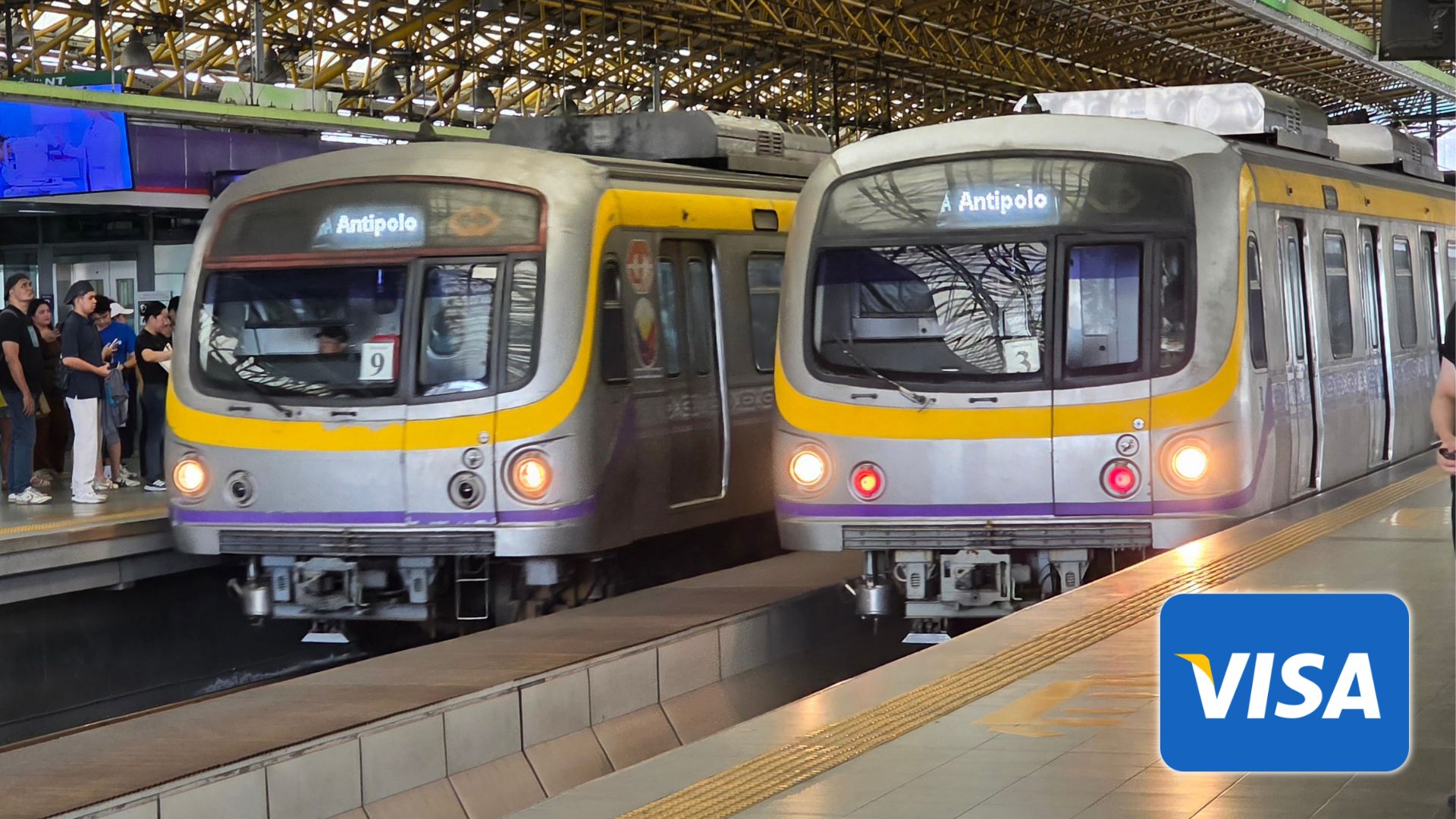
Commuters on the Light Rail Transit Line 2 (LRT-2) in the Philippines can now pay for their trips by tapping their Visa or Mastercard debit, credit, or prepaid cards at the turnstiles or by scanning a QR (quick response) code, as officials on Monday formally launched the rail line's automated fare collection system. Powered by the Rizal Commercial Banking Corp. (RCBC) in partnership with Visa, the system is initially available on the LRT-2, which spans 17.6 kilometers from Recto in Manila to Antipolo City and serves 13 stations across Manila, San Juan, Quezon City, Marikina, Pasig, and Rizal. Officials said the service will eventually be expanded to the Light Rail Transit Line 1 (LRT-1). "We are grateful for the trust and partnership of the DOTr and LRTA as we continue building accessible and future-ready digital ecosystems for Filipinos. Beyond banking, we see digital finance as an enabler of more connected, seamless, and efficient daily experiences," RCBC president and chief executive officer Reggie Cariaso said in an emailed statement. To coincide with the rollout, RCBC also launched its PISO Fare Cashbook Promo, allowing eligible customers to enjoy fare cashback from July 13 to July 31. "By making commuting simpler, faster, and more inclusive, we are accelerating digital adoption, advancing financial inclusion, and bringing the Philippines closer to the digital transport systems found in leading global cities," RCBC executive vice president and chief innovations and inclusion officer Lito Villanueva said. Villanueva earlier said the LRT-2 rollout would precede the implementation on LRT-1, which has more stations and is undergoing an extension from the Fernando Poe Jr. Station in Quezon City to Parañaque City. The tap-to-pay service was first rolled out on the Metro Rail Transit Line 3 (MRT-3) in July 2025, allowing commuters to use debit and credit cards, as well as e-wallets, to pay for their fares. For its part, Visa said the LRT-2 automated fare collection system is its fifth transit payment project in the Philippines, following similar implementations on the MRT-3 and bus systems in Cebu, Mandaue, and Bacolod. "The automated fare collection systems across Metro Manila's three rail lines signify Visa's commitment toward accelerating financial inclusion, allowing both commuters and tourists to access digital payments while improving overall urban mobility in the Philippines," Visa Philippines country manager Jeff Navarro said in a separate statement. "With expanded access to digital financial systems, we aim to support the government in boosting productivity while stimulating economic activity to fuel growth," he added. With the launch of Google Pay in the Philippines last November, commuters can also tap their smartphones to pay for their trips using linked debit or credit cards and supported e-money accounts.— MCG, GMA News

多角的分析

経済的影響

LRT-2におけるタッチ決済・QRコード決済の導入は、フィリピンの公共交通機関におけるキャッシュレス化を加速させる重要な一歩です。これは、取引コストの削減、運賃収益の透明性向上、そしてより効率的な金融システムへの統合を促進する可能性があります。RCBCとVisaのような大手金融機関の関与は、フィリピン国内のデジタル金融インフラの発展を後押しし、将来的にはより広範な経済活動への波及効果も期待されます。

投資家心理

このニュースは、フィリピンのフィンテック分野への投資機会を示唆しています。公共交通機関におけるデジタル決済の普及は、関連するテクノロジープロバイダー、決済処理企業、そしてデジタルウォレットサービスへの投資を惹きつける可能性があります。特に、政府がデジタル化を推進する姿勢は、国内外の投資家にとって魅力的な市場環境を形成すると考えられます。

社会的影響

LRT-2の新しい決済システムは、 commuters の日常的な利便性を向上させます。特に、現金を持ち歩く必要がなくなり、より迅速に乗車できるようになることで、特に都市部での移動体験が改善されます。また、デジタル決済へのアクセスが拡大することは、これまで銀行口座を持たなかった層への金融包摂を促進し、社会全体のデジタルデバイド解消にも貢献する可能性があります。

市民の声

LRT-2の新しい決済システムは、マニラ首都圏の commuters にとって、日々の移動をよりスムーズでストレスフリーなものにするでしょう。特に、改札での待ち時間が短縮され、現金を探す手間が省けることは、忙しい通勤者にとって大きなメリットです。また、スマートフォン一つで決済が完了するようになれば、より多くの人々がデジタル金融サービスに触れる機会を得ることになります。

背景・歴史的文脈

フィリピンでは、都市部を中心に人口増加と経済成長に伴い、公共交通機関の混雑が慢性的な課題となっています。特にマニラ首都圏では、MRT-3、LRT-1、LRT-2といった鉄道網の利用者が多く、運賃支払いのための現金取引は、時間のかかる要因の一つでした。こうした状況を受け、フィリピン政府は、公共交通機関の効率化とデジタル化を推進する方針を掲げてきました。2025年7月にはMRT-3でタッチ決済が先行導入され、今回のLRT-2への拡大は、その流れを汲むものです。RCBCとVisaは、フィリピン国内でのデジタル金融サービスの普及に注力しており、今回の提携はその一環として位置づけられます。

原文ソース

GMA Money Philippines

原文を読む