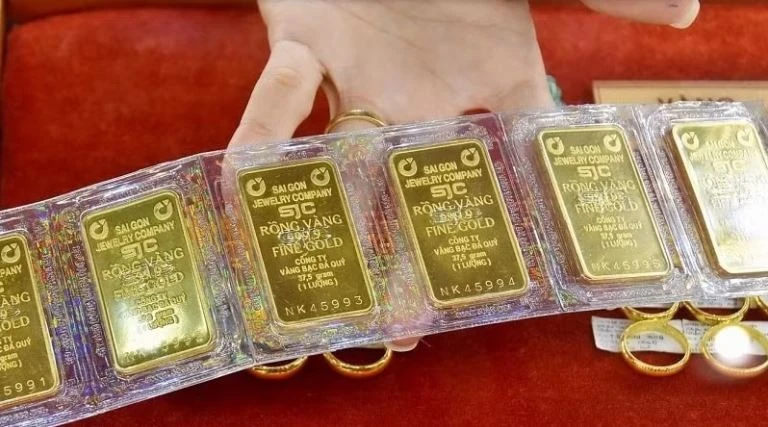
Vietnam to Impose 0.1% Personal Income Tax on Gold Bar Transfers from July 1
Economy
2026年6月30日
3
VietnamPlus English

Vietnam to Impose 0.1% Personal Income Tax on Gold Bar Transfers from July 1

AI サマリー

Vietnam will implement a 0.1% personal income tax on gold bar transfers starting July 1. This move aims to enhance market transparency, curb speculation, and mobilize public gold reserves for the economy. The government plans to exempt individuals purchasing gold for savings, not speculation, based on certain value thresholds.

Vietnam will impose a 0.1% personal income tax on each transfer of gold bars starting July 1, as stipulated by the new Personal Income Tax Law No. 109/2025, adopted by the National Assembly. This policy aims to improve transparency in the gold market, curb speculation and manipulation, and gradually mobilize gold resources held by the public for the economy. The government will set value thresholds to exempt individuals purchasing gold for savings rather than speculative purposes. This measure is designed to encourage healthy market development while considering the impact on ordinary citizens' asset accumulation. The introduction of tax on gold bar transfers reflects a strong policy resolve to tackle long-standing challenges in the gold market. The proposed gold exchange is a coordinated policy step to complete market infrastructure and regulations, aiming to unlock gold reserves held by Vietnamese households, enhance transaction transparency, and strengthen state management of the market. Under its one-party system, Vietnam's economic policies are driven by strong government leadership to achieve national objectives. Strengthening the management of the gold market signifies the Vietnamese government's commitment to economic stabilization and efficient utilization of national resources. This initiative is expected to contribute to Vietnam's further economic growth and integration into international financial markets. Information Source: VietnamPlus English

多角的分析

経済的影響

ベトナム政府による金地金取引への0.1%の所得税導入は、国内の金市場における非公式な取引や投機を抑制し、市場の透明性を高めることを目的としている。これは、国民が保有する膨大な量の金を、経済成長のための投資や生産活動に動員しようとする広範な経済政策の一環と見られる。過去、ベトナムでは金がインフレヘッジや貯蓄手段として広く利用されてきたが、その取引の不透明さが市場の不安定要因ともなっていた。今回の措置は、金融政策の有効性を高め、より安定した経済環境を醸成するための試みである。同様の政策は、過去に他の新興国でも投機抑制や資本流出防止のために実施された例がある。

投資家心理

投資家にとって、この0.1%の税金は金地金取引のコスト増加を意味する。特に短期的な投機目的での取引には影響が大きいと考えられる。しかし、政府が貯蓄目的の購入を一部免除する方針であることから、長期的な資産保全を目的とする投資家への直接的な影響は限定的かもしれない。むしろ、市場の透明性向上は、より健全な投資環境を整備する可能性も秘めている。ベトナムの金市場がより制度化され、国際基準に近づくことで、長期的な視点での投資機会が生まれる可能性もある。ただし、政策の具体的な運用や免除基準の詳細は、今後の投資判断において注視すべき点となる。

社会的影響

金はベトナム社会において、伝統的に富の蓄積や結婚などの贈答品として重要な役割を担ってきた。今回の課税は、特に地方や低所得層の金購入者にとっては、負担増となる可能性がある。政府が「貯蓄目的」での購入を免除する方針を示していることは、こうした層への配慮と推測されるが、具体的な免除基準の運用が、社会的な公平性を保つ上で重要となる。また、市場の透明性向上は、不正な取引や詐欺行為の減少につながり、消費者保護の観点からも一定の評価が得られる可能性がある。しかし、課税による金へのアクセス制限が、一部の層の経済活動に影響を与える可能性も否定できない。

市民の声

ベトナム国民にとって、金は古くから貯蓄や資産保全の手段として親しまれてきた。今回の0.1%の所得税導入は、金地金を売買する際に新たなコストが発生することを意味する。特に、頻繁に取引を行う個人や、まとまった額の取引を行う人々にとっては、負担感が増すだろう。政府が貯蓄目的での購入を免除する方針を示していることは、国民の資産形成への配慮からだが、免除される具体的な基準や手続きが明確にならない限り、一部の国民からは不満の声も上がる可能性がある。市場の透明化は歓迎されるべきだが、それが直接的な負担増とならないような配慮が求められる。

背景・歴史的文脈

ベトナムでは、歴史的に金はインフレヘッジや貯蓄手段として、また結婚などの贈答品としても広く用いられてきた。特に、経済発展の過程で、国民が保有する金塊は相当な量に上ると推測されている。しかし、その取引の多くは非公式に行われており、市場の透明性の欠如や投機的な動きが、経済の不安定要因となることが懸念されてきた。政府は、こうした状況を改善し、国民が保有する金資源をより生産的な経済活動に振り向けるため、市場の制度化と管理強化を進めてきた。今回の金地金取引への所得税導入は、その一連の政策の延長線上にあるものであり、市場の透明性向上と投機抑制を目的としている。

原文ソース

VietnamPlus English

原文を読む