Middle East Tensions Rise, Oil Prices Surge Amid Renewed Attacks
Politics
2026年7月29日
6
Koh Santepheap Khmer
Relations
🇰🇭Cambodia🇺🇸United States

General articles are free for 24 hours after publish.

Middle East Tensions Rise, Oil Prices Surge Amid Renewed Attacks

Share
AI Summary

Renewed military clashes between Iran and the US/Saudi Arabia in the Middle East have caused oil prices to surge. While Cambodia's direct oil dependency is low, potential impacts on international supply chains warrant close observation.

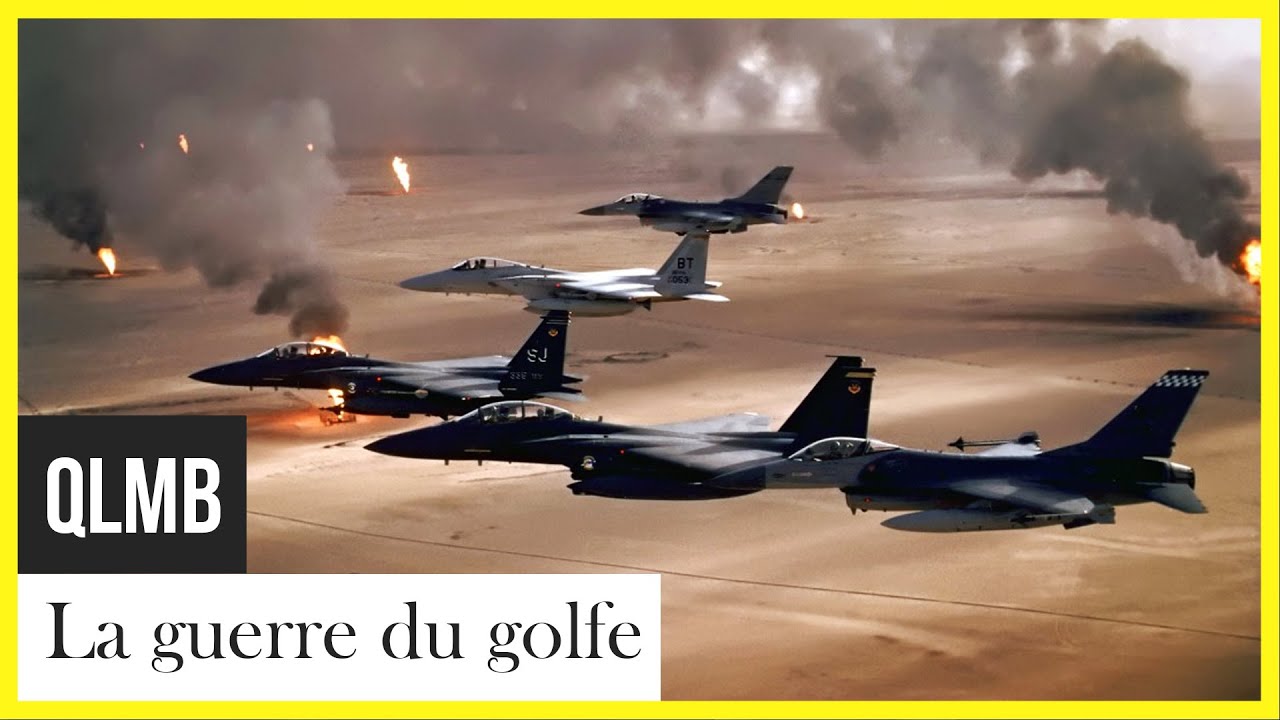
Renewed military clashes between Iran and the United States/Saudi Arabia in the Middle East have led to a renewed surge in oil prices on July 29. The US military announced it had intercepted Iranian missile attacks, followed by a joint strike with Saudi Arabia against pro-Iranian militia groups in Iraq. The latest attacks occurred shortly after a meeting in Washington between Israeli Prime Minister Benjamin Netanyahu and President Donald Trump. US and Saudi fighter jets jointly attacked numerous logistical sites and weapons depots belonging to the militia groups in eastern Iraq. The US Central Command warned Iran and its allied organizations to cease their attacks, or face further retaliation from the US. The Saudi Ministry of Defense confirmed the joint operation against militia loyal to Iran, accusing them of attempting to attack oil facilities in eastern Saudi Arabia with drones. Within Iraq's Popular Mobilization Forces (PMF), which have been integrated into the Iraqi army, there are still pro-Iranian groups operating autonomously. These groups claim that the US and Saudi attacks resulted in numerous casualties and extensive damage in various parts of Iraq. Meanwhile, the US Central Command also claimed to have successfully intercepted missiles fired by Iran as part of an attempted surprise attack against US forces stationed in the Middle East. Tehran has not yet officially confirmed any attacks against US forces. However, the Iranian Revolutionary Guard Corps announced they had attacked and seized three oil tankers attempting to pass through the Strait of Hormuz. Furthermore, on July 28, Yemen's Houthi rebels claimed to have attacked another Saudi oil tanker in the Red Sea with a ballistic missile, accusing the vessel of violating the blockade imposed by the Iran-aligned rebels against Saudi Arabia. While the direct impact on Cambodia's economy is currently considered limited, continued monitoring is necessary as fluctuations in international energy prices could indirectly affect import costs and the overall supply chain. Source: Koh Santep Khmer

0

Original source

Koh Santepheap Khmer

原文を読む